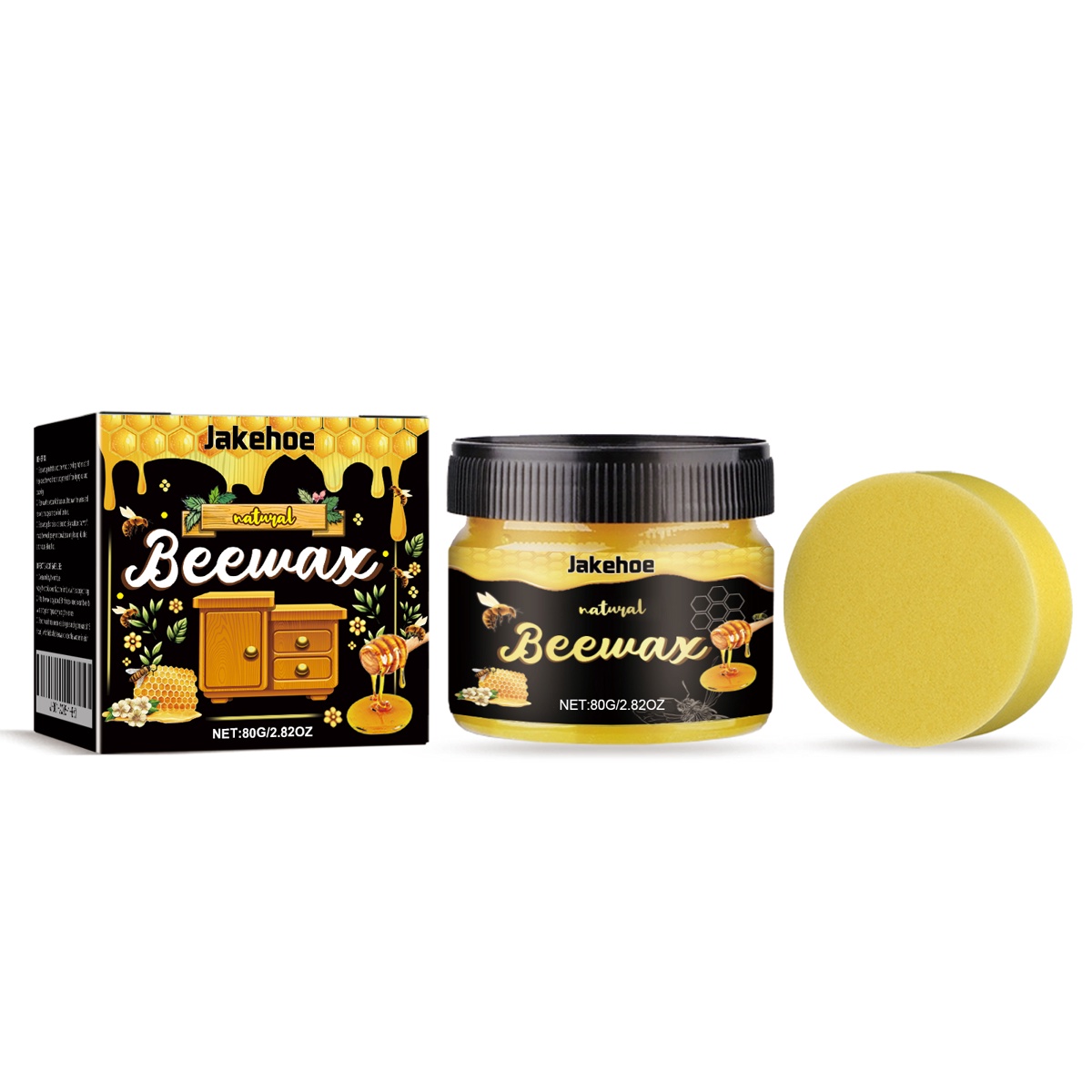

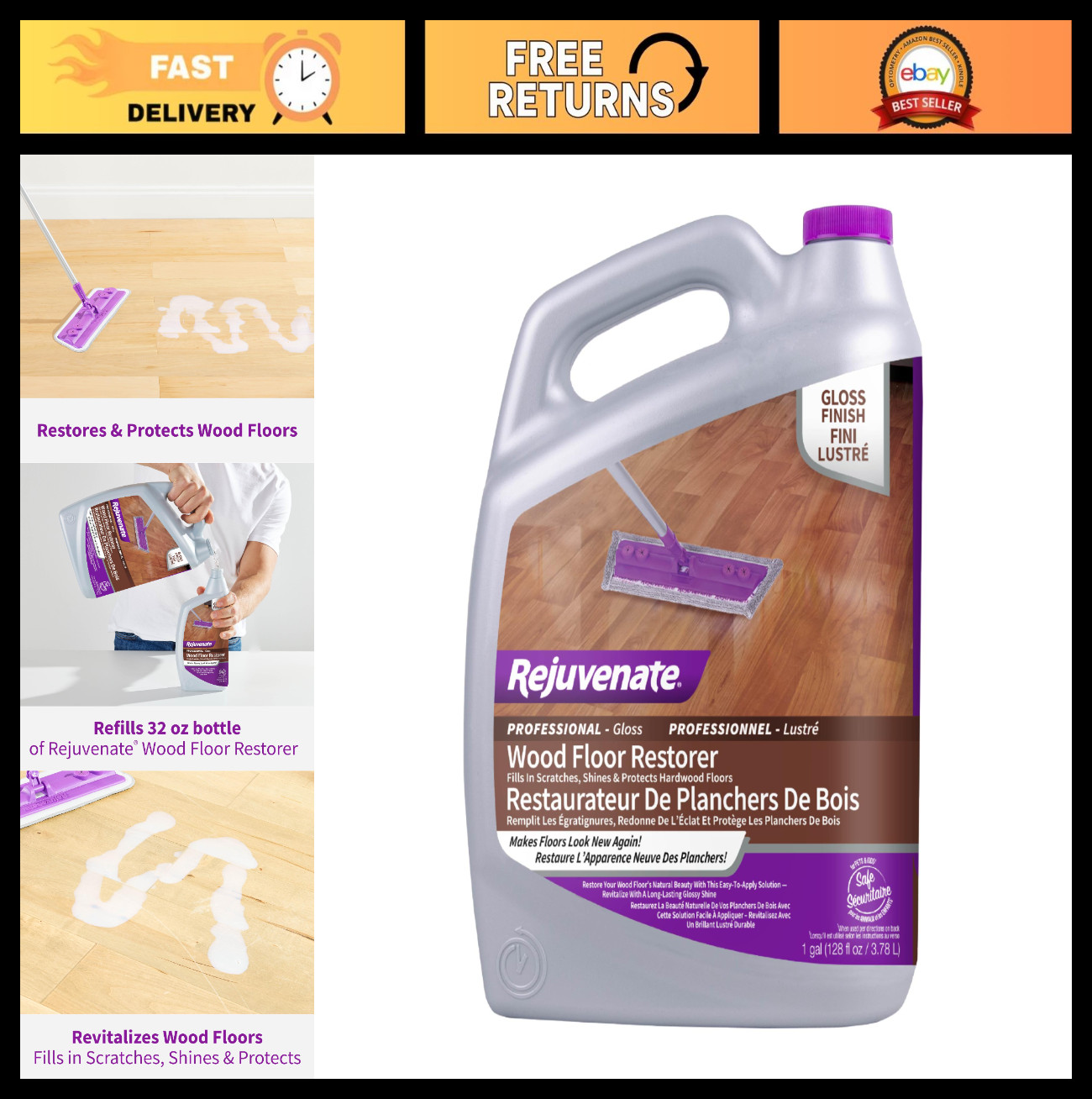
Photos from current listings. Actual item, color, and included accessories may vary.
Floor Shine Wood Floor Buying Guide
Floor shine wood floor products are polishes, waxes, and restorers that add gloss, fill micro-scratches, and protect sealed hardwood or laminate. The core trade-off is between natural waxes (beeswax/carnauba) that build depth but require buffing, and synthetic polymer finishes that deliver high gloss fast but can layer unevenly. Choose a wax-based product for maintenance on oil-rubbed or waxed finishes, and a water-based polymer restorer for polyurethane-sealed floors that need quick shine without buildup.
At a glance
- Category
- Household Cleaning & Paper Supplies
- Last updated
- Nov 22, 2026
Current offers
Highlights
- Beeswax and carnauba wax polishes create depth and slip resistance but need buffing and reapply every 1–3 months on high-traffic areas.
- Water-based polymer restorers dry clear in 15–30 minutes and fill hairline scratches; solvent-based high-gloss formulas can yellow light wood over time.
- Silicone-free and ammonia-free formulas are mandatory for polyurethane and aluminum-oxide factory finishes to avoid dulling or hazing.
- One gallon of concentrated restorer covers roughly 300–500 sq ft per coat; paste wax covers about 500–800 sq ft per pound.
Best use cases
- Best fit: polyurethane-sealed oak or maple in living areas — pick a water-based polymer restorer for fast gloss and scratch filling without wax buildup.
- Best fit: waxed or oil-rubbed hardwood — pick a beeswax/carnauba paste polish and buff with a microfiber pad to feed the grain and restore sheen.
- Wrong fit: unsealed or worn-through finish — skip shine products entirely; strip and refinish first, since polish cannot bond to raw wood.
- Wrong fit: laminate or luxury vinyl plank — avoid abrasive waxes and solvent polishes; use only manufacturer-approved pH-neutral shine formulas.
Buying tips
- Match the product to the existing finish: water-based polymer for polyurethane, paste wax for oil/wax finishes, and never wax over a polyurethane surface.
- Check solids content: restorers with 10–15% solids fill scratches better; below 5% solids is mostly water and shines weakly.
- For high-gloss results, apply two thin coats rather than one heavy coat — thick layers streak and attract dirt.
- Avoid products containing silicone oil or petroleum distillates on factory-finished floors; they cause hazing and prevent future recoating adhesion.
Specs
| Formula Base | Water-based polymer vs wax |
|---|---|
| Finish Compatibility | Polyurethane / wax / oil-rubbed |
| Coverage per Gallon | 300-500 sq ft per coat |
| Solids Content | 5-15% (higher fills scratches) |
Related searches
What to check before buying
- Identify your floor finish first: water drop beads and stays cloudy on polyurethane; absorbs on oil-rubbed or waxed wood.
- Measure the area: one gallon of restorer covers 300–500 sq ft, so a 200 sq ft room needs less than half a gallon per coat.
- Check compatibility: laminate, LVP, and bamboo require pH-neutral, solvent-free shine products to avoid swelling or dulling.
- Confirm you have a buffing tool — microfiber mop or orbital buffer — since paste waxes require mechanical buffing for gloss.
FAQ
Data sources: eBay / Amazon listings and product attribute feeds. Updated Nov 22, 2026.
Some links on this page are affiliate links. If you buy after clicking one, we may earn a commission at no extra cost to you. This does not change which products appear here or their order. Affiliate disclosure.