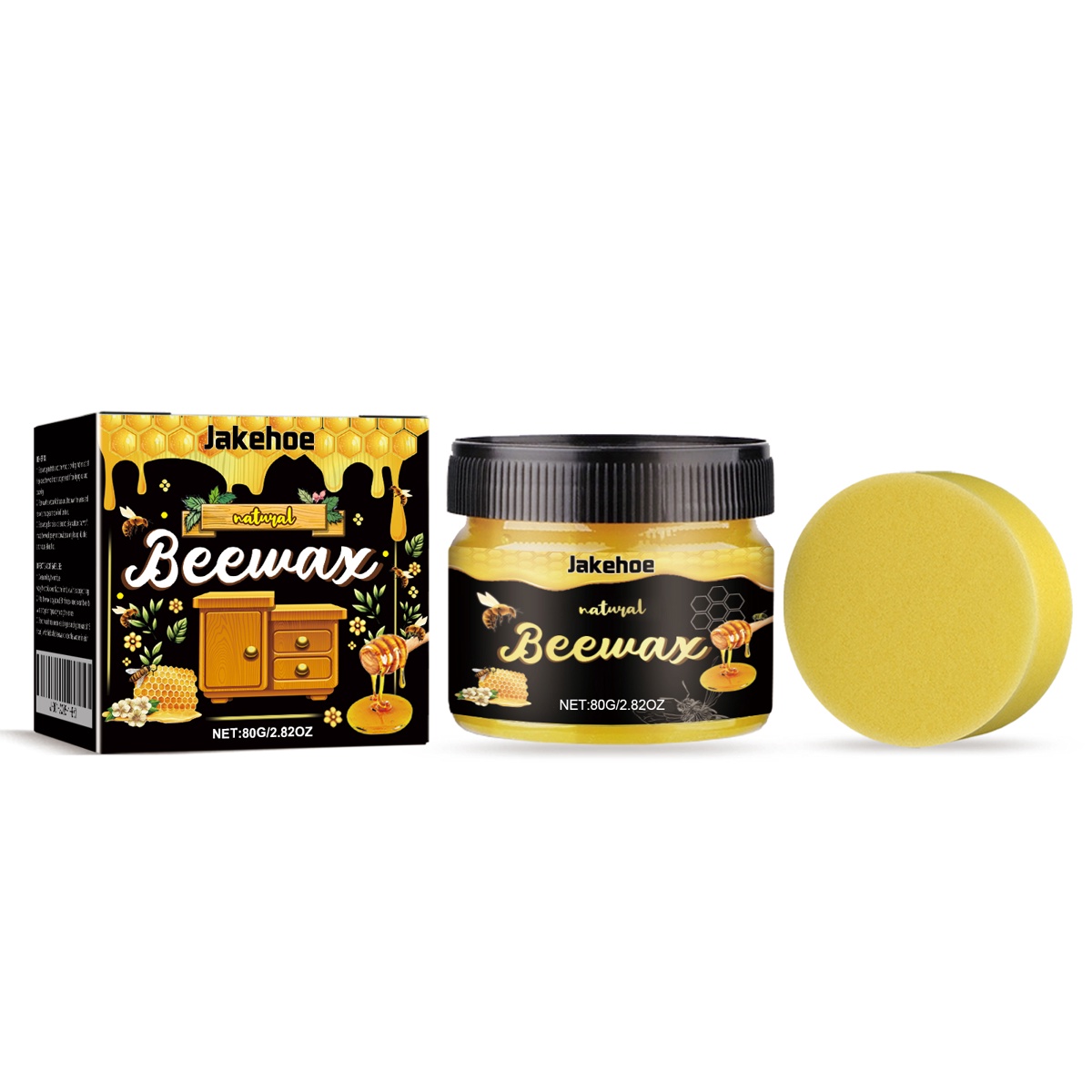

Photos from current listings. Actual item, color, and included accessories may vary.
Floor Shine Linoleum Floor Buying Guide
Linoleum floor shine products are formulated to restore gloss, fill micro-scratches, and protect the linoleum's printed wear layer without causing yellowing or tackiness. The core trade-off is between wax-based polishes that build a sacrificial shine layer and polymer/acrylic finishes that bond as a durable topcoat; the decision rule is to match the product chemistry to the floor's existing finish and never apply a solvent wax over a factory acrylic wear layer.
At a glance
- Category
- Household Cleaning & Paper Supplies
- Last updated
- Nov 22, 2026
Current offers
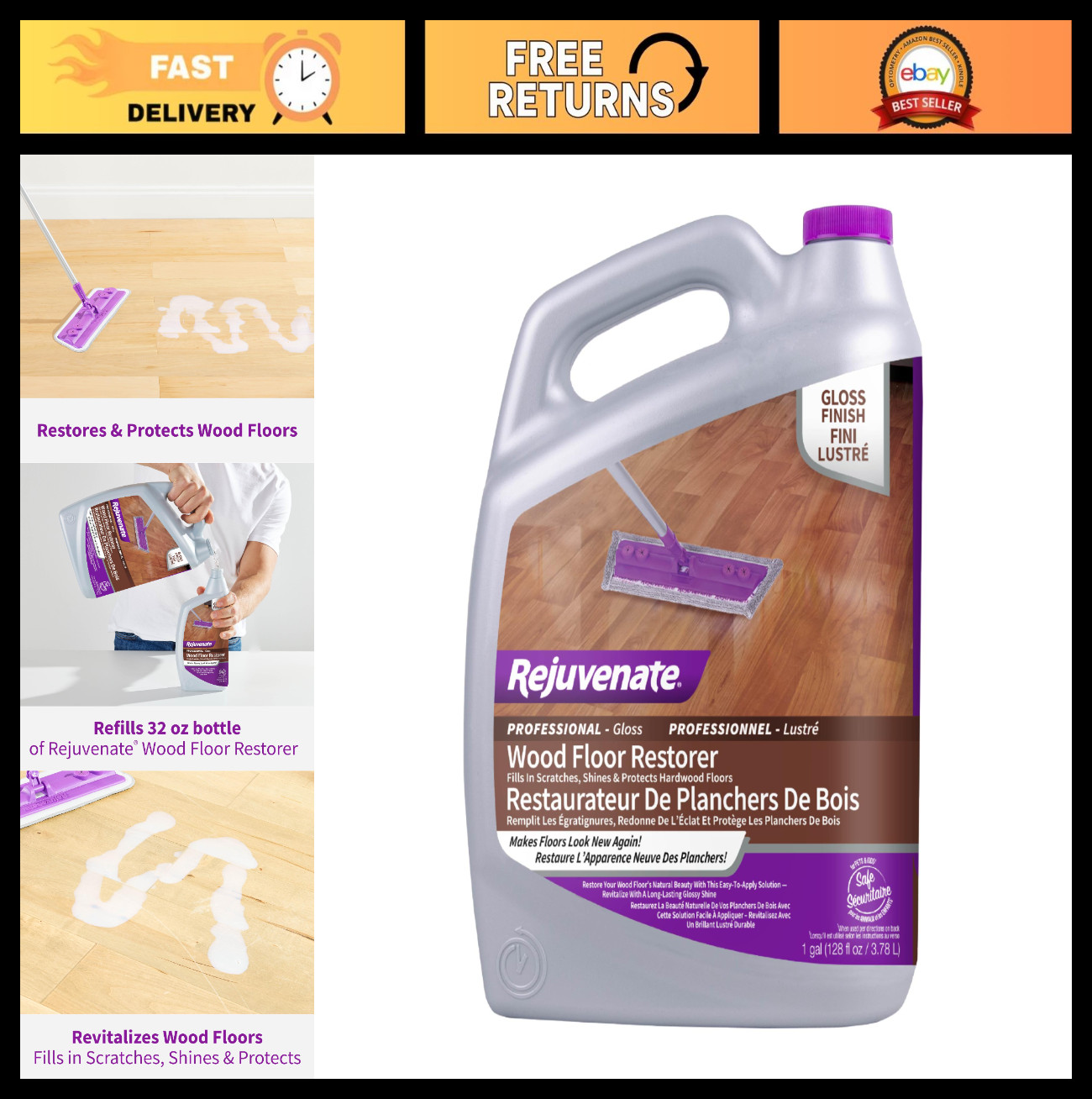
Highlights
- Linoleum's factory wear layer is a factory-applied acrylic/urethane finish; solvent-based waxes can soften it, so use water-based acrylic or linoleum-specific polish instead.
- Sacrificial wax polishes build gloss in 2-4 coats but require strip-and-reapply every 6-12 months; cross-linked polymer finishes last 1-2 years but need a clean, stripped base.
- High-gloss restorers with scratch-fill rely on solid content (typically 15-25%) — higher solids mean thicker film and better micro-scratch bridging per coat.
- pH-neutral cleaners (pH 6-8) preserve shine between recoats; alkaline degreasers above pH 10 dull the wear layer and strip wax, so keep them for stripping only.
Best use cases
- Choose a water-based acrylic floor polish for intact factory-finished linoleum that looks dull — it adds gloss without attacking the wear layer and is recoatable.
- Choose a wax-based beeswax/wood polish only for true wood or cork floors, not linoleum — waxes stay tacky on vinyl/linoleum and attract dirt.
- Choose a high-solids restorer with scratch-fill for visibly scratched linoleum in low-traffic rooms; skip it in kitchens/baths where moisture needs a slip-resistant topcoat.
- Skip solvent-based high-gloss sealers on linoleum — they can yellow the pattern and make spot repairs impossible; reserve them for unsealed concrete or terrazzo.
Buying tips
- Match chemistry to finish: water-based acrylic for factory-finished linoleum; solvent wax only for unfinished wood — cross-application causes hazing or adhesion failure.
- For a 12x15 ft room (180 sq ft), one quart of polish covers roughly 300-400 sq ft per coat, so a gallon handles 4-6 coats on that floor.
- Buy a polish with a slip-resistance rating (ASTM D2047 ≥ 0.5 COF) for kitchens, baths, and stairs; high-gloss without slip rating is a fall hazard on linoleum.
- Check the label for 'linoleum' or 'vinyl composite tile (VCT)' compatibility — products listing only 'hardwood' are wax-heavy and unsuitable for resilient flooring.
Specs
| Chemistry | Water-based acrylic vs solvent wax |
|---|---|
| Finish | High gloss / Satin / Matte |
| Coverage | 300-400 sq ft per quart |
| Slip Rating | ASTM D2047 COF ≥ 0.5 |
Related searches
What to check before buying
- Measure the floor area (length × width) and multiply by the number of coats you plan (2-4) to confirm the bottle covers the job without a second order.
- Identify your floor's finish: factory-finished linoleum needs water-based polish, while older unstripped linoleum may still have wax that requires a stripper before any new coat.
- Confirm indoor ventilation and curing time — solvent waxes need 24-48 hours of low humidity and open windows; water-based acrylics cure in 30-60 minutes.
- Check for radiant floor heat or moisture: wax polishes soften above 85°F (29°C), so use polymer finishes on heated floors.
FAQ
Data sources: eBay / Amazon listings and product attribute feeds. Updated Nov 22, 2026.
Some links on this page are affiliate links. If you buy after clicking one, we may earn a commission at no extra cost to you. This does not change which products appear here or their order. Affiliate disclosure.