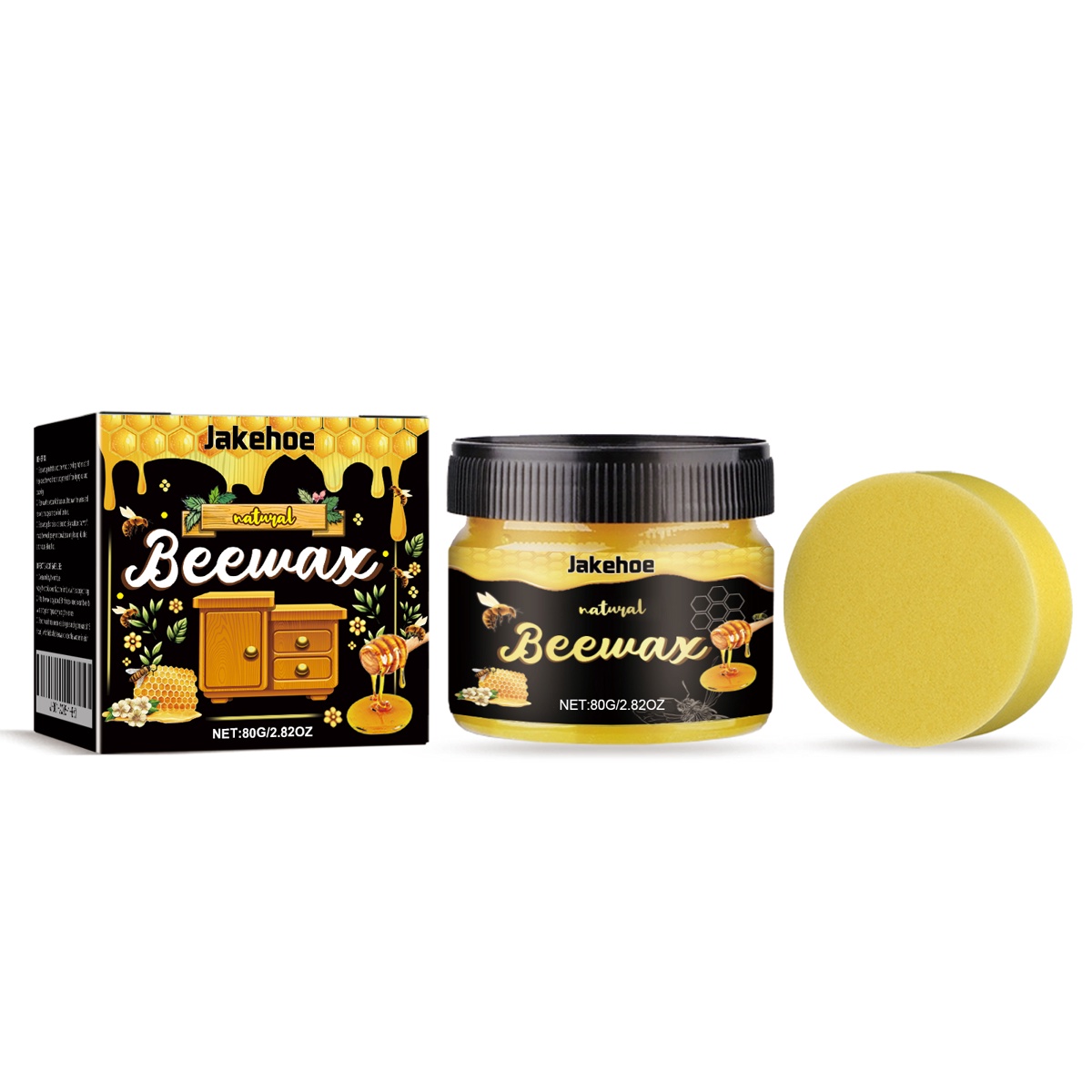

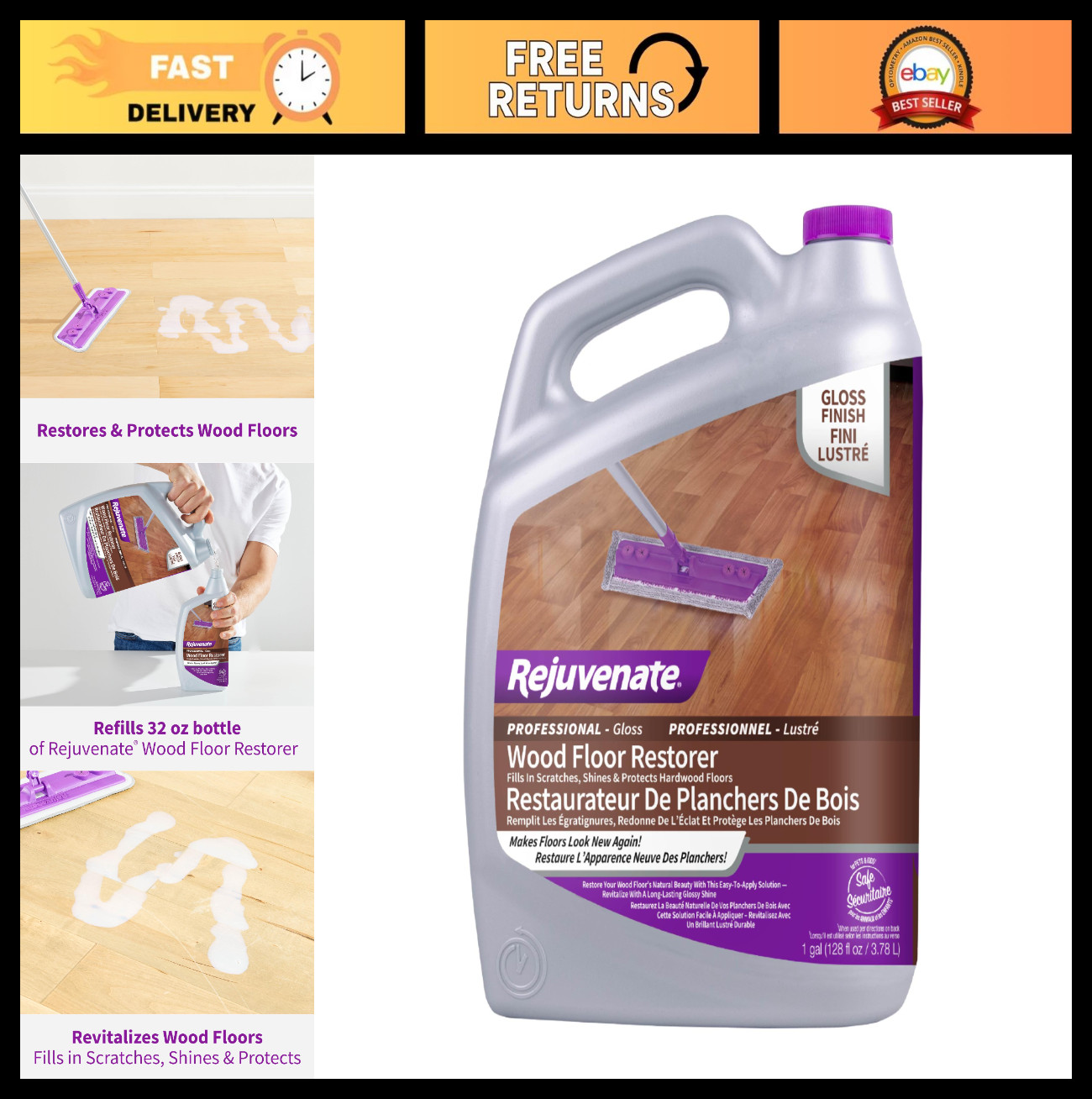
Photos from current listings. Actual item, color, and included accessories may vary.
Floor Shine Laminate Floor Buying Guide
Liquid and paste floor shine products for laminate floors are cosmetic surface treatments that add gloss and fill micro-scratches, but the wrong chemistry can leave a hazy film or make the wear layer slippery. The core trade-off is between quick-solvent acrylic glosses that build a removable film and absorbed wax/oil blends that risk trapping dirt on a plastic wear layer. The decision rule: choose a film-forming polish only if you plan to strip and reapply, and avoid any wax or oil product on laminate because laminate is a plastic wear layer, not wood.
At a glance
- Category
- Household Cleaning & Paper Supplies
- Last updated
- Nov 22, 2026
Current offers
Highlights
- Laminate wear layers are melamine- or aluminum-oxide-reinforced plastic, so waxes and oils sit on top, attract dirt, and can dull the finish rather than nourish it like real wood.
- Film-forming acrylic polishes add measurable gloss (often 20-40 gloss units at 60°) but require periodic stripping with a compatible remover to prevent yellowing and cloudy buildup.
- Scratch-filler restorers rely on polymer or pigment that settles into micro-scratches; they improve appearance at a distance but do not repair the wear-layer damage underneath.
- Water-based acrylic dispersions are the safest chemistry for laminate because low-pH solvents and heavy waxes can attack edge seams and cause swelling; check the label for 'laminate-safe' and pH 7-9.
Best use cases
- Best fit: an acrylic, film-forming 'floor shine' for dull but intact laminate in living rooms or hallways where you accept an annual strip-and-recoat cycle.
- Best fit: a polymer scratch-filler restorer for a quick cosmetic refresh before guests or a listing photo, accepting that it is temporary and needs reapplication.
- Wrong fit: beeswax or oil-based wood polish on laminate — it builds a sticky film, voids most wear warranties, and makes the floor slick.
- Wrong fit: high-gloss 'restorer' on textured or matte laminate — it pools in the grain embossing and dries unevenly, producing blotchy shine.
Buying tips
- Match the product to the wear layer: laminate needs acrylic or polyurethane film-formers, never carnauba or beeswax, which are for sealed hardwood and engineered wood only.
- Choose water-based over solvent-based for laminate; solvent acrylics can soften edge seams and are harder to strip without damaging the wear layer.
- Coverage math: a gallon of film-forming polish typically covers 400-600 sq ft per coat, so a 1-gallon restorer suits one large room or two average rooms per application.
- For scratch-filling restorers, pick pigment-matched tints (light oak, walnut) only for dark scratches; clear polymers are safer on light laminate because pigment can highlight the scratch edges.
Specs
| Chemistry | Water-based acrylic vs wax/oil |
|---|---|
| Finish | High gloss / satin / matte |
| Function | Film shine vs scratch filler |
| Coverage | 400-600 sq ft per gallon |
Related searches
What to check before buying
- Measure the room's square footage and confirm the product's per-coat coverage is at least 1.5× your floor area so you can apply two thin coats.
- Identify your laminate's finish — matte, textured, or high-gloss — because film polishes amplify sheen only on smooth, low-texture surfaces.
- Check the wear-layer warranty: most laminate makers void coverage if non-approved waxes, oils, or abrasive polishes are used; keep the product label.
- Confirm you have a compatible stripper and a microfiber applicator or flat mop before applying a film-forming shine, since buildup removal is mandatory.
FAQ
Data sources: eBay / Amazon listings and product attribute feeds. Updated Nov 22, 2026.
Some links on this page are affiliate links. If you buy after clicking one, we may earn a commission at no extra cost to you. This does not change which products appear here or their order. Affiliate disclosure.