
Photos from current listings. Actual item, color, and included accessories may vary.
Beeswax Wood Furniture Buying Guide
Beeswax wood furniture products are paste, liquid, or spray wax formulations that clean, polish, and protect sealed wood surfaces. The primary trade-off is between pure beeswax (durable, high-gloss, slower to apply) and solvent-thinned or emulsified blends (fast, easy, lower durability). Choose a high-solids paste or cream for long-term protection; choose a spray only for light dusting and quick touch-ups.
At a glance
- Category
- Household Cleaning & Paper Supplies
- Last updated
- Nov 22, 2026
Current offers
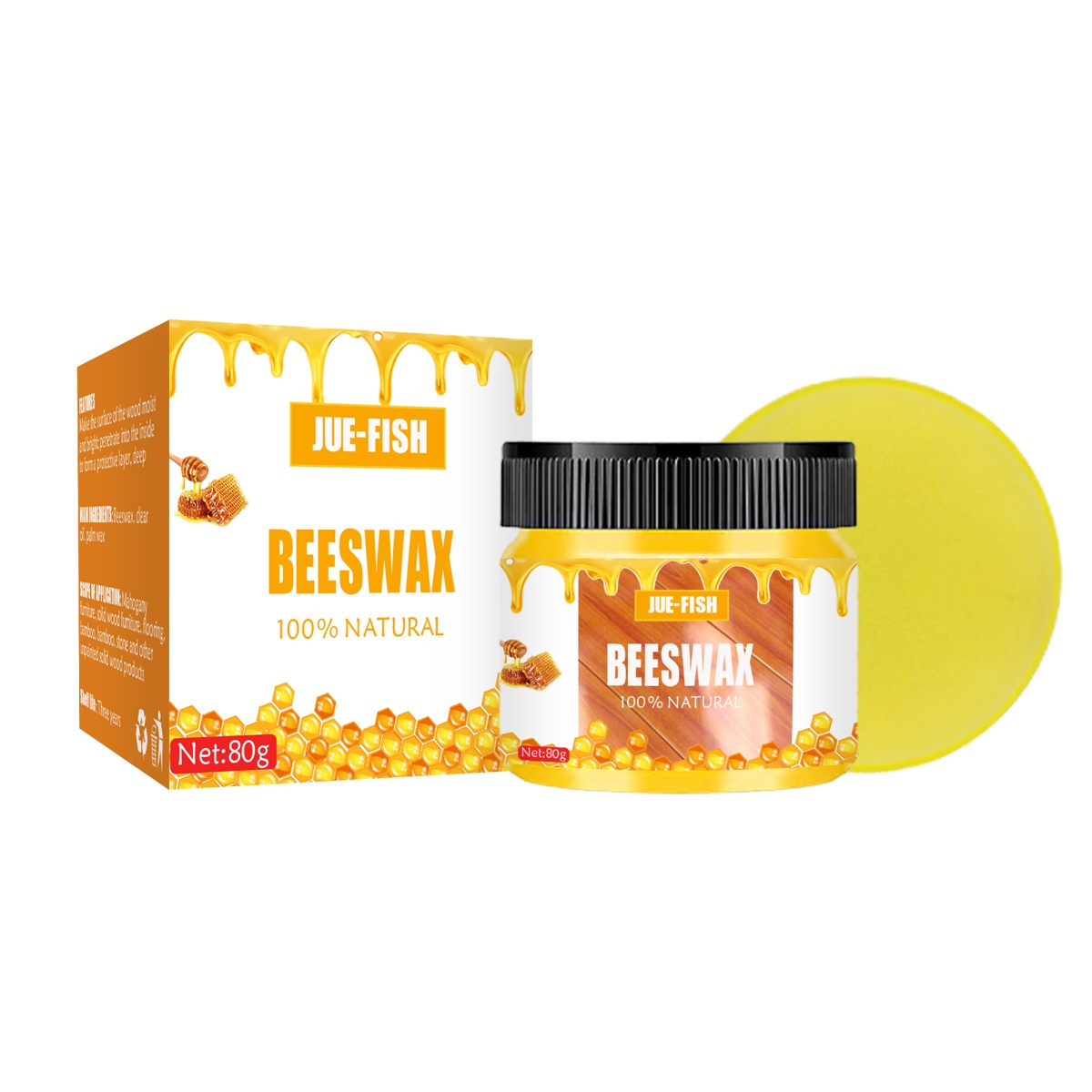 Jue-Fish Beeswax, Wood Furniture Floor Brightening Wear Resistant Polishing Clean Scratches Refurbished Maintenance Care Wax$19.99View on Mallflare
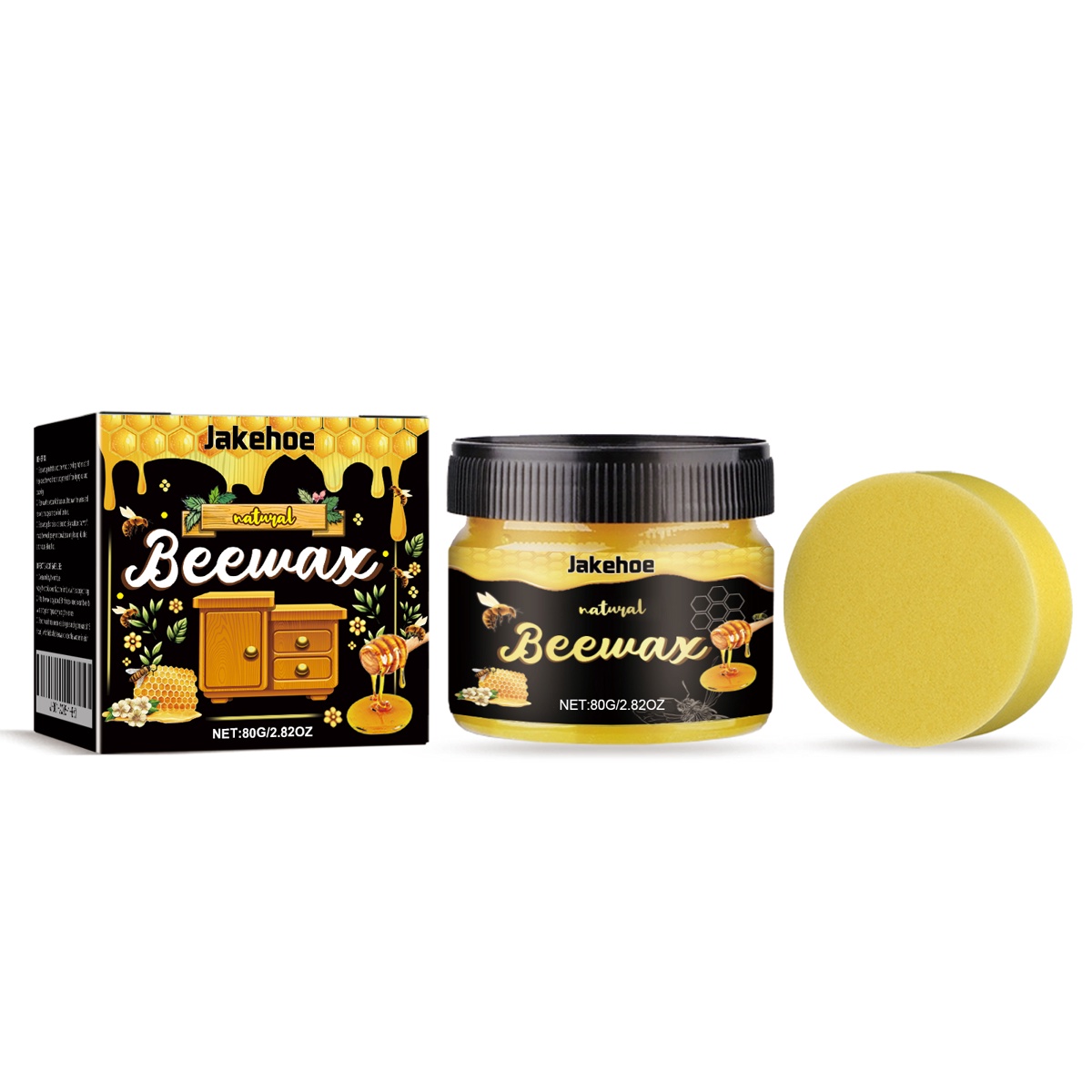 Jakehoe Wood Polishing Beeswax Floor Polish And Shine, Furniture Cleaning And Stain Removal Wax$19.99View on Mallflare
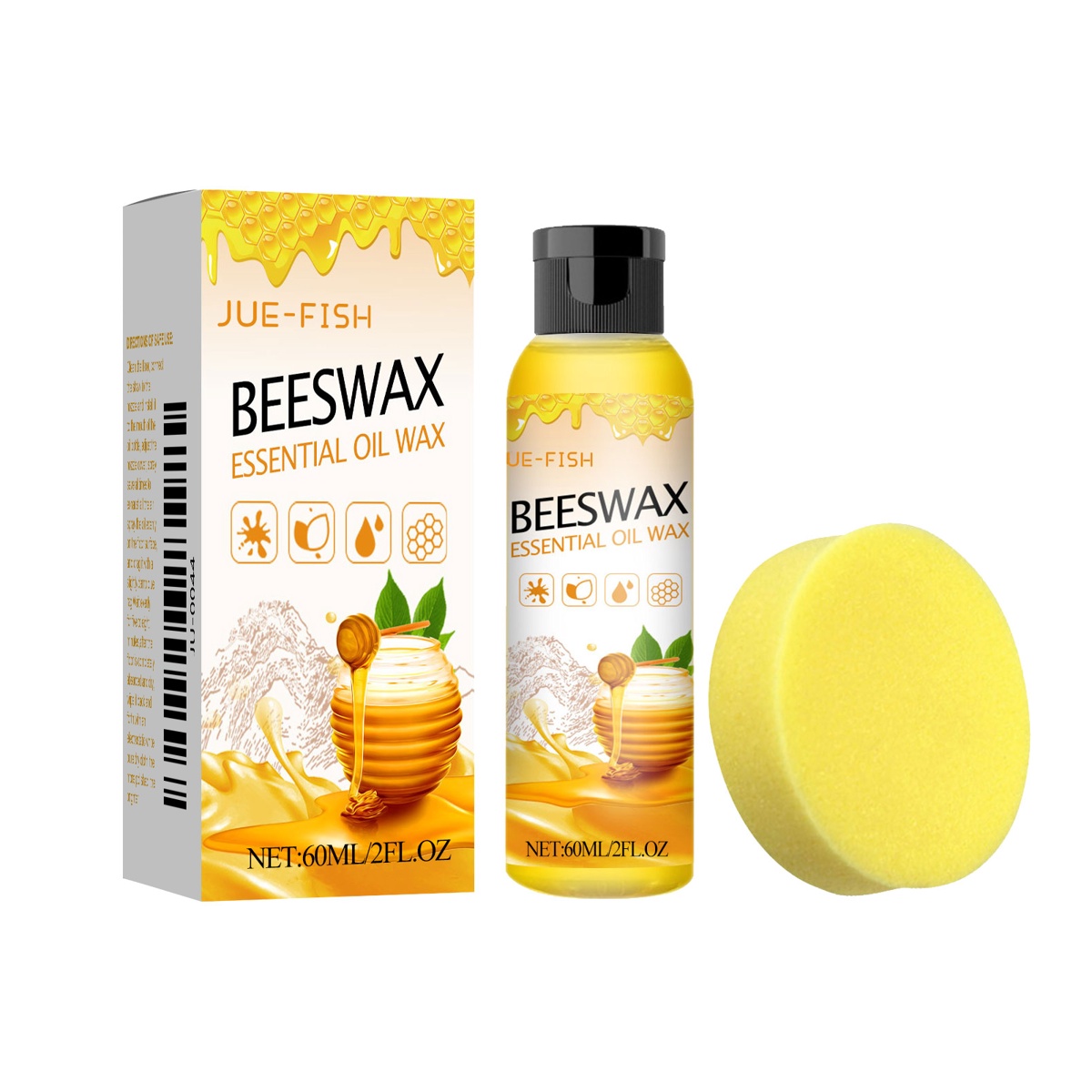 Jue-Fish Home Beeswax, Mahogany Furniture Polishing Brightening Anti-Crack Maintenance Solid Wood Floor Care Wax$19.99View on Mallflare
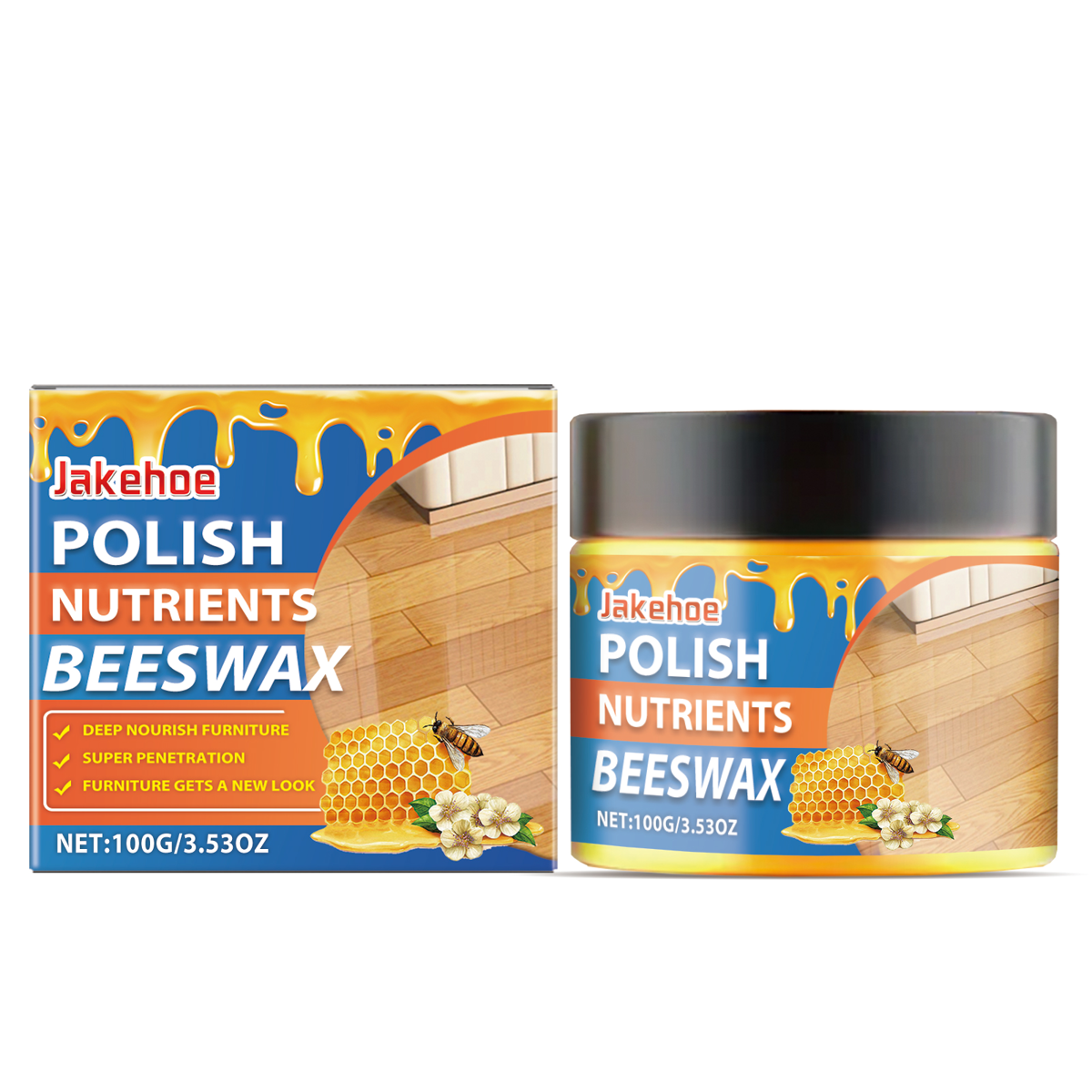 Jakehoe Beeswax Furniture Polish, Wood Moisturizing Cleaning And Polishing Daily Maintenance Care Agent$19.99View on Mallflare
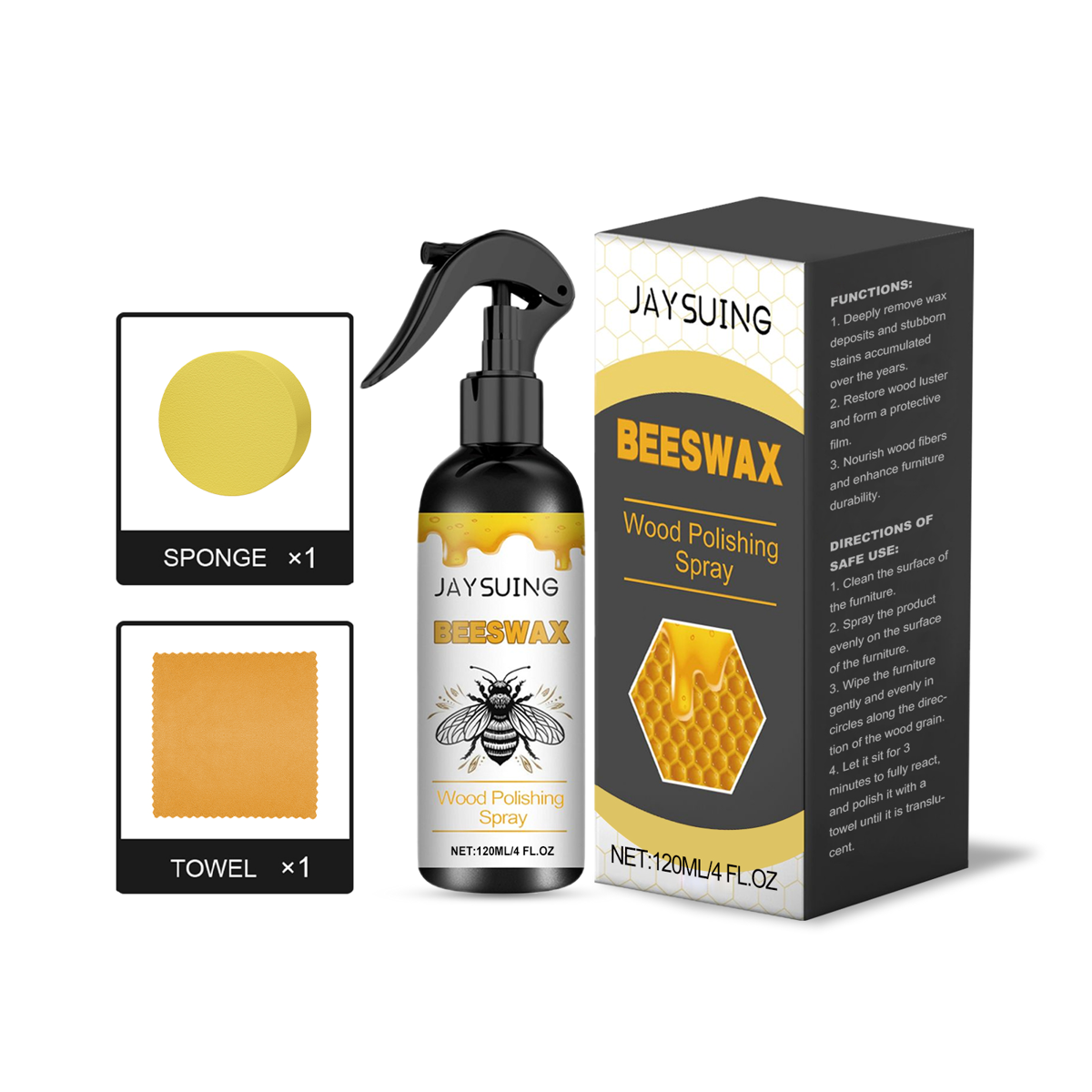 Jaysuing Furniture Beeswax Polishing Spray, Wood Scratches Refurbished Care$19.99View on Mallflare
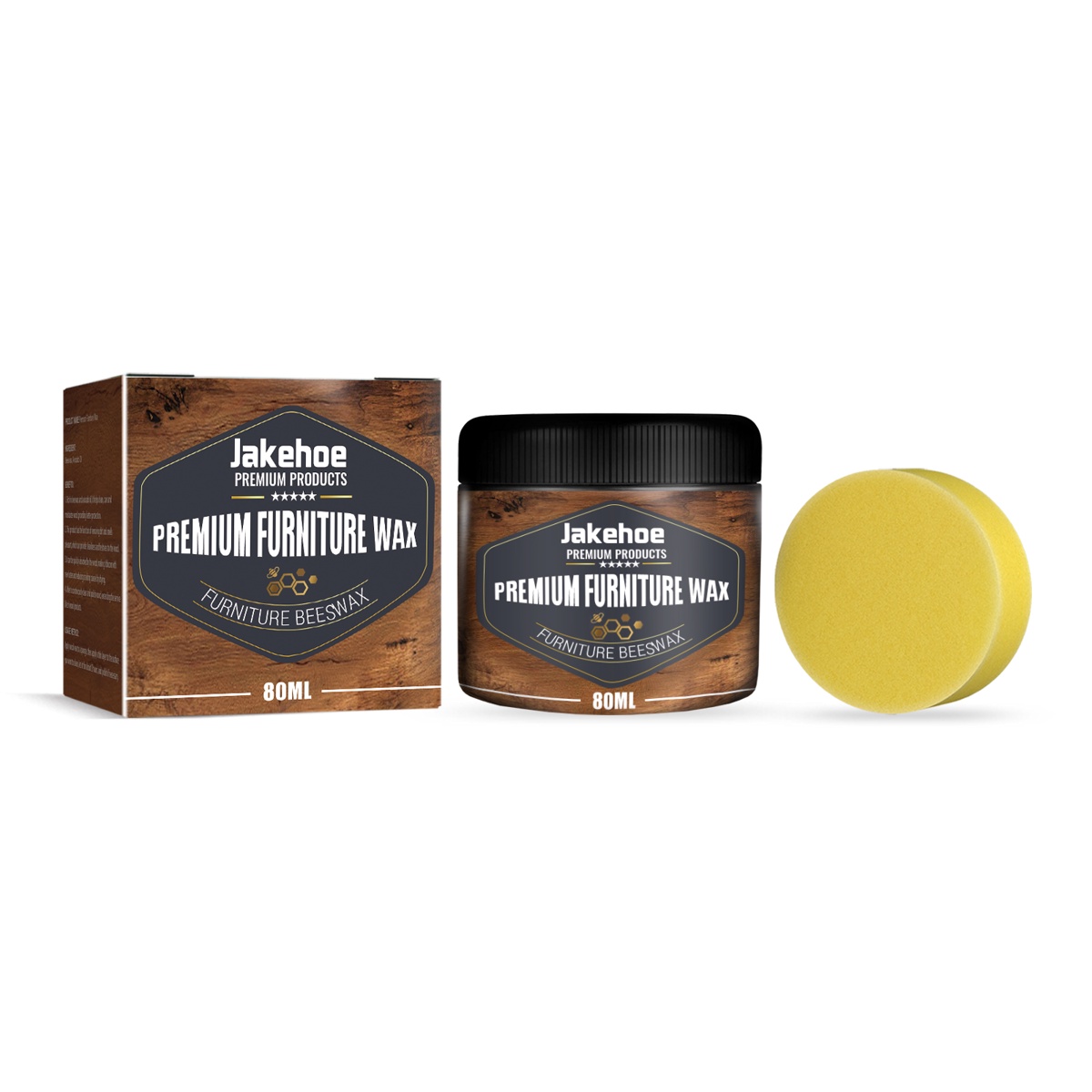 Jakehoe Beeswax, Wood Floor Mahogany Furniture Scratches Cleaning Care Polishing Brightening Maintenance Wax$19.99View on Mallflare
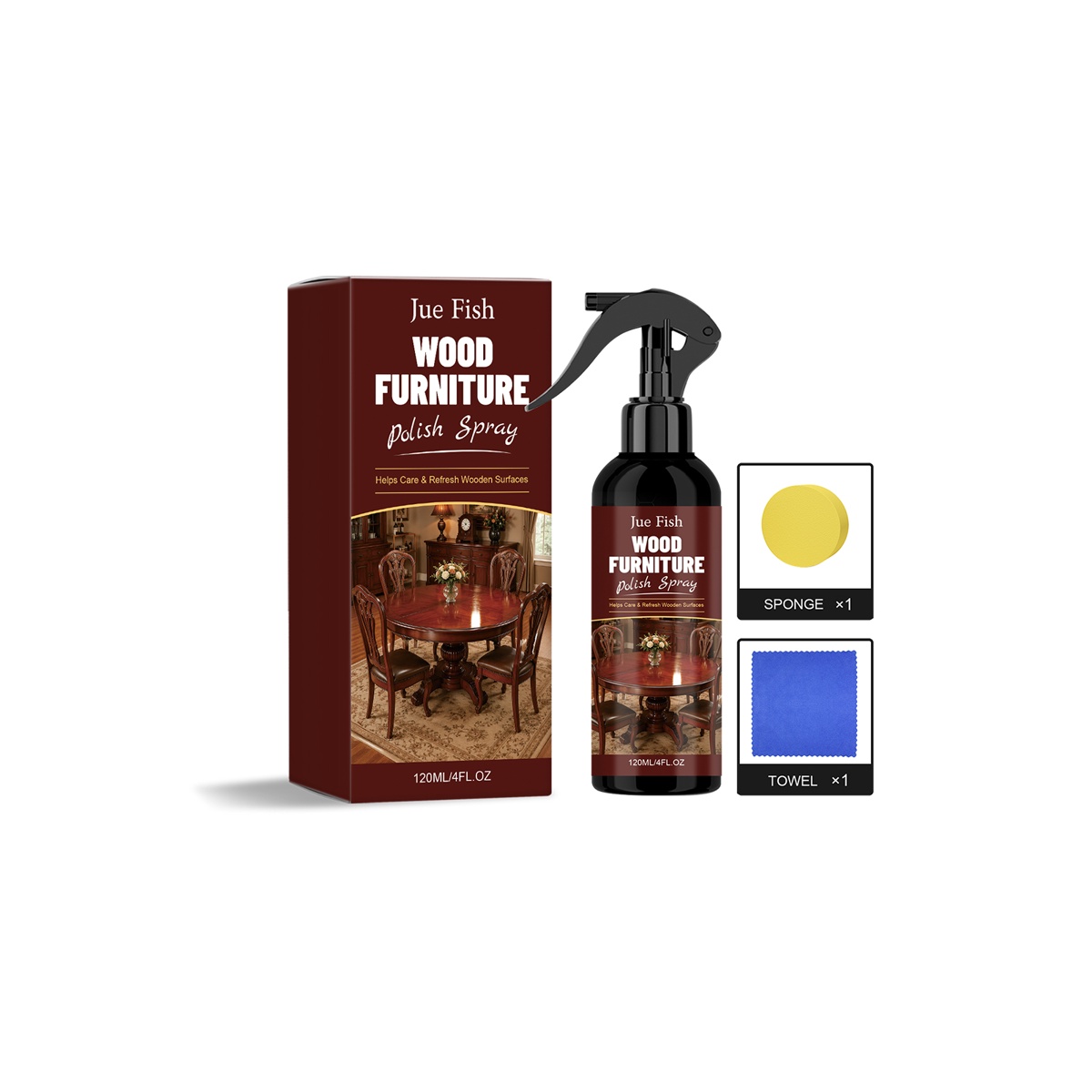 JUE FISH Wooden Furniture Beeswax Care Spray with Multi-Wood Dust Removal Protection Convenient Repair$19.99View on Mallflare
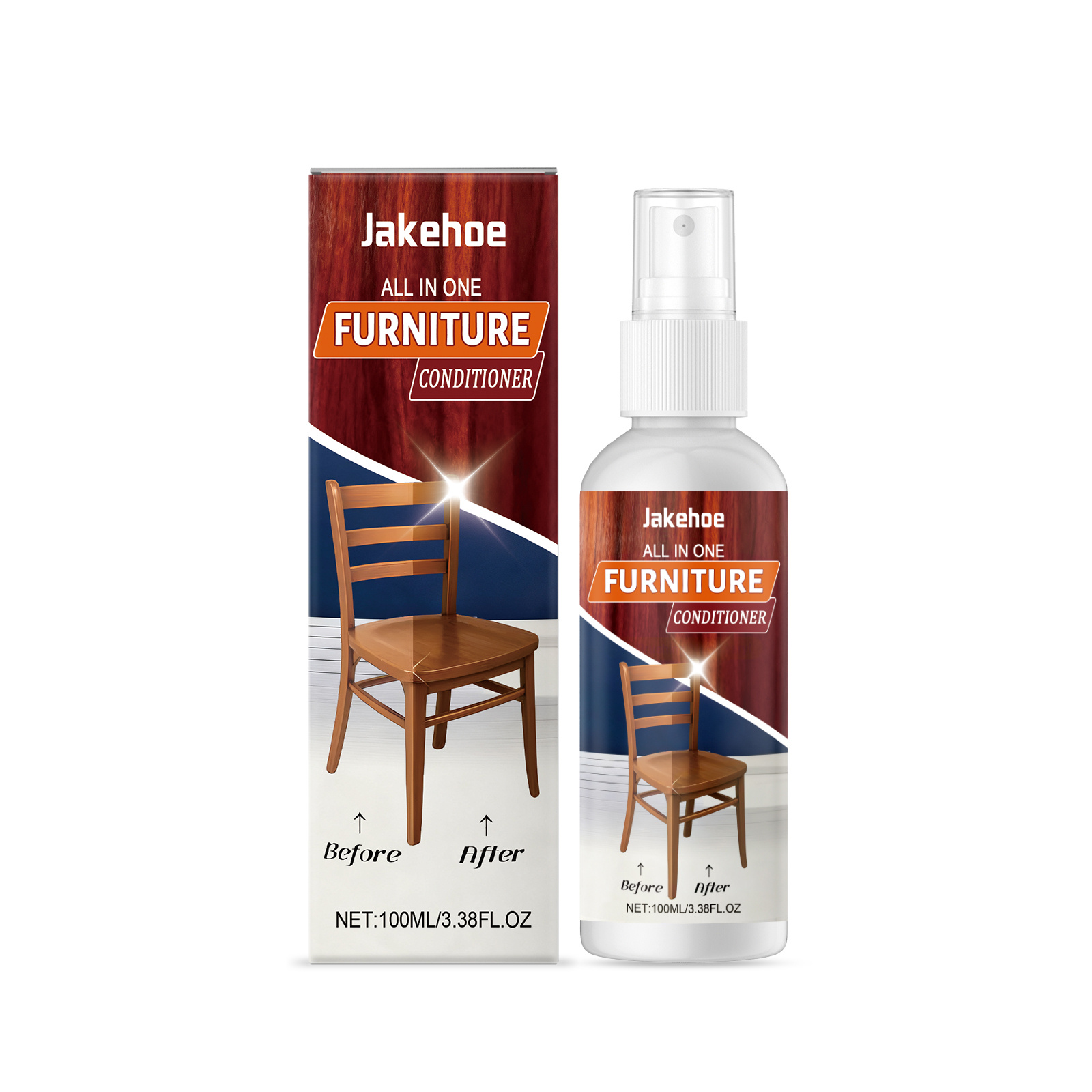 Furniture Care Beeswax Polishing Agent Is Suitable For Daily Cleaning Of Wood$22.99View on Mallflare
Highlights
- Pure beeswax pastes typically contain 60-100% wax solids and cure to a hard film; spray variants are usually 5-15% wax diluted with solvents or water for easy atomization.
- Paste wax requires buffing after a 10-20 minute haze; liquid creams wipe off immediately; sprays dry in seconds but offer the thinnest, shortest-lived protection.
- Wax on sealed finishes (polyurethane, lacquer, varnish) sits on top and adds gloss; on oiled or raw wood it must be buffed thoroughly to avoid a tacky residue.
- Solvent-based pastes (beeswax plus turpentine or mineral spirits) penetrate better but need ventilation; water-based emulsions are low-odor and safer indoors but less water-resistant.
Best use cases
- Best fit: solid wood dining tables, chairs, and dressers with a sealed or oiled finish — use a paste or cream beeswax and buff to a satin sheen every 3-6 months.
- Best fit: weekly dusting and fingerprint removal on any finished wood — use a spray beeswax product; it cleans without the elbow grease of a paste.
- Wrong fit: floors and high-traffic surfaces — furniture paste wax films are too soft for foot traffic; use a floor-specific wax or polyurethane instead.
- Wrong fit: unsealed, weathered, or outdoor wood — beeswax alone does not provide UV or water protection; use a penetrating oil or exterior finish first.
Buying tips
- For a 4-seat dining table (approx. 1.5 m²), a 200-250 g tin of paste wax yields 8-12 full applications; a 300-500 ml spray covers 2-3 m² per can.
- Check the wax content: pastes labeled 100% beeswax or beeswax/carnauba blends give harder, longer-lasting films than 'beeswax-enriched' sprays with mostly solvent.
- Match the carrier to the finish: solvent-based waxes are safe on lacquer and polyurethane; avoid solvent on shellac or water-based finishes — use a water-based emulsion instead.
- Carnauba wax blends (typically 5-20% carnauba) add hardness and higher gloss; pure beeswax is softer and better for nourishing dry, oiled wood.
Specs
| Wax Form | Paste / Cream / Spray |
|---|---|
| Wax Solids Content | 5-15% spray / 60-100% paste |
| Carrier Base | Solvent / Water emulsion |
| Finish Compatibility | Sealed, oiled, lacquer, poly |
Related searches
What to check before buying
- Confirm your furniture finish: sealed (polyurethane, lacquer, varnish) takes any wax; oiled or raw wood needs a penetrating wax or oil-wax blend.
- Measure the surface area to buy the right format: under 2 m² favors a 200 g paste tin; larger areas or frequent touch-ups favor a spray.
- Check ventilation: solvent-based pastes and sprays require an open window or outdoor use; water-based emulsions are suitable for enclosed rooms.
- Have lint-free cloths or a buffing pad on hand — paste wax needs a clean, dry cloth to remove haze; sprays need only a microfiber towel.
FAQ
Data sources: eBay / Amazon listings and product attribute feeds. Updated Nov 22, 2026.
Some links on this page are affiliate links. If you buy after clicking one, we may earn a commission at no extra cost to you. This does not change which products appear here or their order. Affiliate disclosure.