
Photos from current listings. Actual item, color, and included accessories may vary.
Beeswax Furniture Polish Buying Guide
Beeswax furniture polish is a solvent- or oil-based paste that cleans, feeds, and protects sealed wood by depositing a micro-thin wax film. The core trade-off is solvent-cut (fast-drying, strong cleaning, requires ventilation) versus oil-based (slower cure, deeper feed, food-safe) formulations. Buyers should demand a disclosed wax-to-oil ratio and a known solvent or carrier—undisclosed 'beeswax blend' liquids with fragrance and water are polishes in name only.
At a glance
- Category
- Household Cleaning & Paper Supplies
- Last updated
- Nov 22, 2026
Current offers
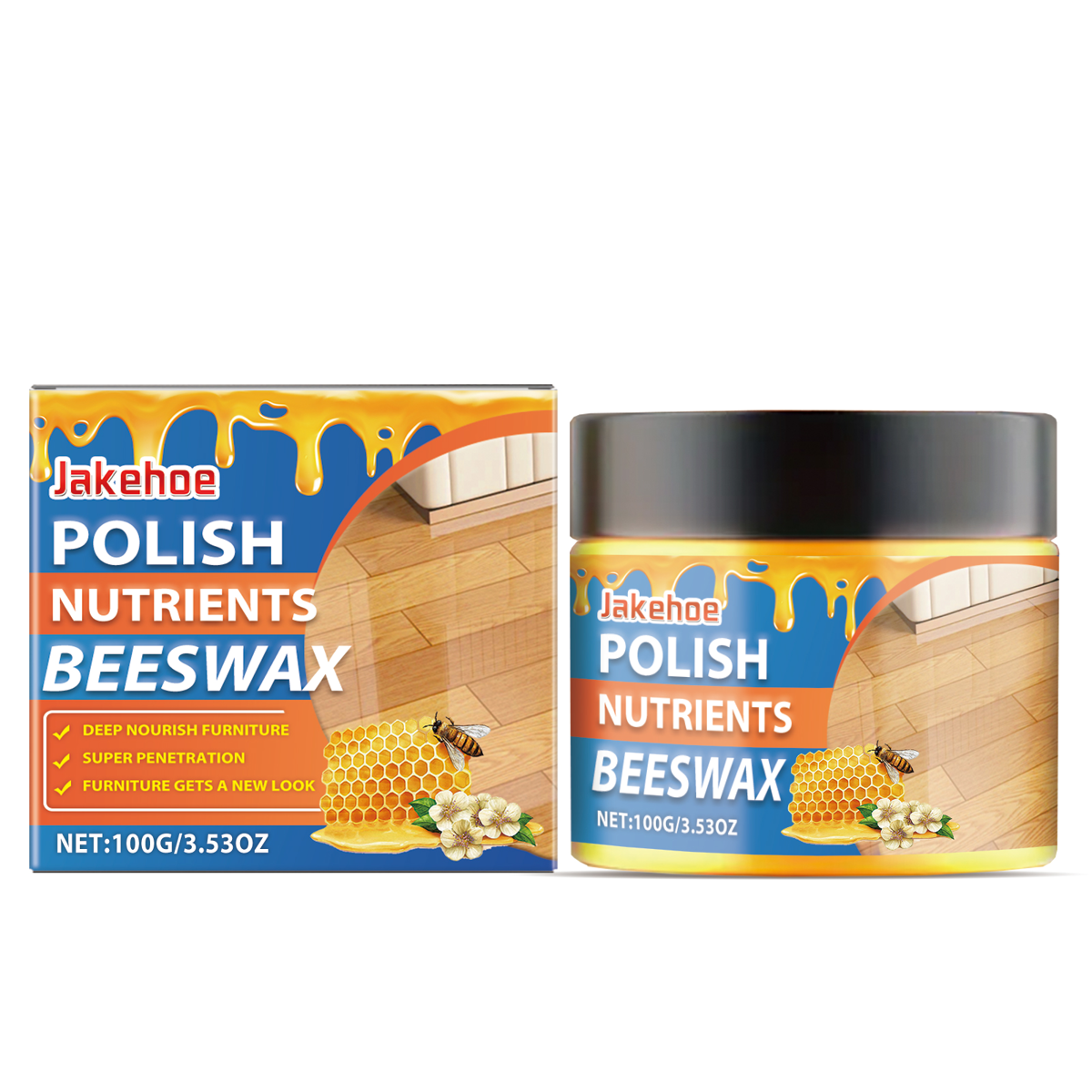 Jakehoe Beeswax Furniture Polish, Wood Moisturizing Cleaning And Polishing Daily Maintenance Care Agent$19.99View on Mallflare
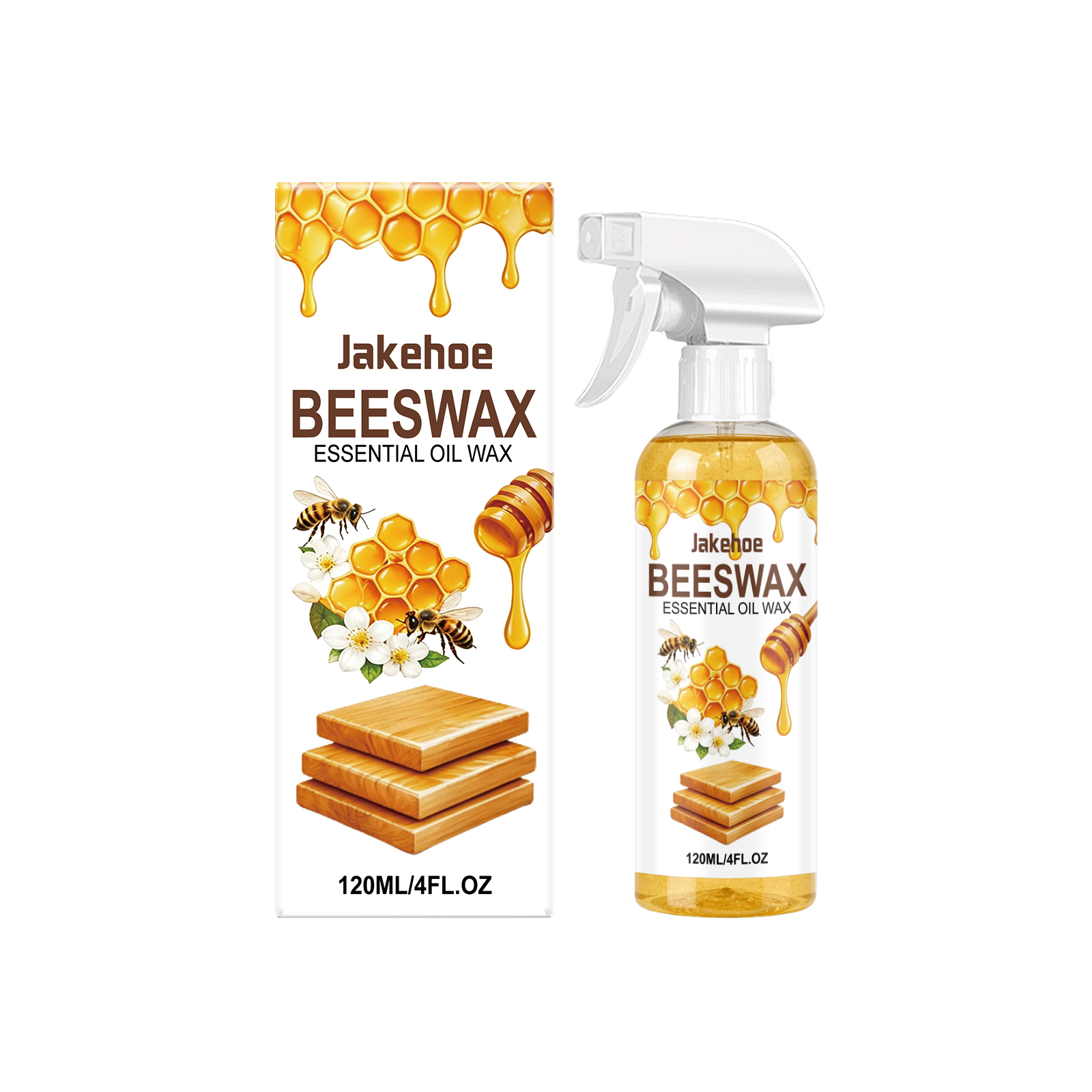 Jakehoe Beeswax Furniture Polish - Cleans And Polishes The Surface Of Wooden To Enhance Its Luster, A Household Care Product For Home Use$19.99View on Mallflare
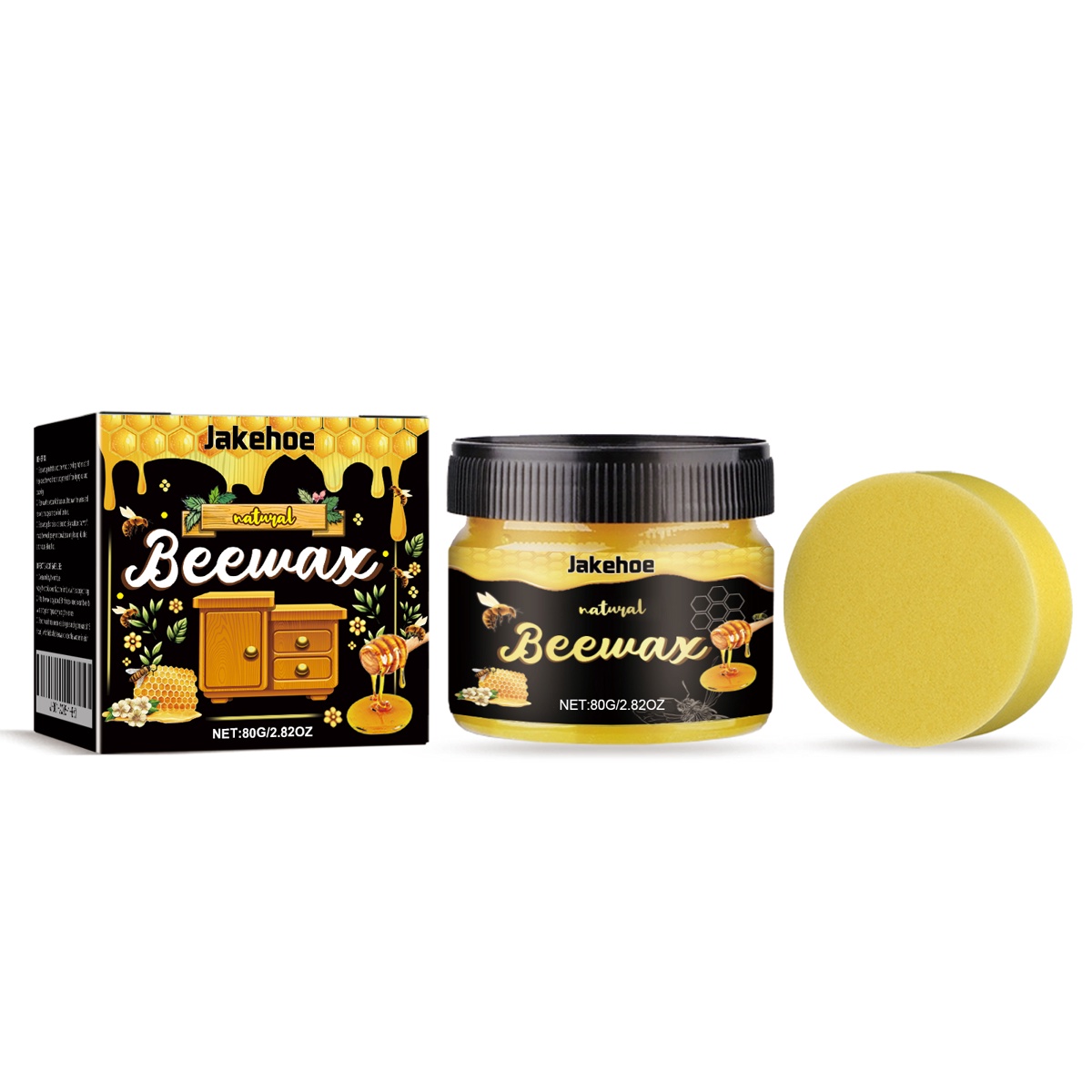 Jakehoe Wood Polishing Beeswax Floor Polish And Shine, Furniture Cleaning And Stain Removal Wax$19.99View on Mallflare
Highlights
- Hard paste formulas run roughly 25–40% beeswax cut with turpentine or mineral spirits; softer cream formulas sit near 10–15% wax in linseed or tung oil carriers.
- Solvent-cut pastes flash off in 10–20 minutes and bond hard for better wear resistance; oil-heavy creams stay workable for 30+ minutes and penetrate deeper into dry grain.
- Pure beeswax melts near 62–65°C (144–149°F) and buffs to a satin sheen; paraffin or carnauba blends feel harder and glossier but feed the wood far less.
- Water-based 'beeswax' emulsions clean light soil without fumes, but the wax film is thin and reapplication intervals are much shorter than solvent paste.
Best use cases
- Choose a hard solvent-cut paste for dining tables, chairs, and dressers that see daily handling—it bonds tight and resists water rings and fingerprints.
- Choose an oil-rich cream for antique or very dry, thirsty wood that has not been waxed in years; apply thin, let it sit 20–30 minutes, and buff before it tacks.
- Skip solvent pastes in poorly ventilated apartments or around asthma-sensitive households; use a water-based emulsion or low-VOC oil cream instead.
- Skip any beeswax product on polyurethane, lacquer, or factory-finished veneer if the label warns against it—wax can soften some finishes rather than protect them.
Buying tips
- Match wax load to use: 25%+ beeswax paste for high-traffic hardwoods; 10–15% cream for regular maintenance and lighter cleaning.
- Buy solvent-based paste only if you can ventilate the room for 30–60 minutes; otherwise pick a low-VOC oil or water emulsion.
- One 200–400 g tin covers roughly 8–15 m² per coat; plan two tins for a full dining set plus sideboards.
- Prefer tins with a screw lid and a wax-to-carrier ratio printed on the label; 'beeswax blend' with no percentage is a marketing claim, not a spec.
Specs
| Wax Load | Hard paste 25–40% / Cream 10–15% |
|---|---|
| Carrier Type | Solvent, oil, or water emulsion |
| Cure / Flash-Off | Solvent 10–20 min / Oil 30+ min |
| Finish Compatibility | Sealed & oil-rubbed wood; test veneer |
Related searches
What to check before buying
- Identify your finish: sealed polyurethane/lacquer, oil-rubbed, or bare wood—wax paste is safest on oil-rubbed and sealed film finishes, not bare raw wood.
- Measure the surface area you need to treat and buy 1 tin per 8–15 m²; two thin coats outperform one thick coat.
- Confirm ventilation: solvent paste needs open windows or outdoor buffing; water-based emulsions suit closed rooms.
- Have lint-free cloths and a soft buffing brush ready—wax residue on rags can self-heat, so air-dry them flat before disposal.
FAQ
Data sources: eBay / Amazon listings and product attribute feeds. Updated Nov 22, 2026.
Some links on this page are affiliate links. If you buy after clicking one, we may earn a commission at no extra cost to you. This does not change which products appear here or their order. Affiliate disclosure.