
Photos from current listings. Actual item, color, and included accessories may vary.
Bathroom Cleaner Buying Guide
Bathroom cleaners split into acid-based descalers for hard-water minerals and alkaline/bleach cleaners for soap scum and mildew; the wrong chemistry etches stone or fails on calcium deposits. Choose an acid formula (citric, lactic, or hydrochloric) for glass, tile, and fixtures with visible white scale, and an alkaline or bleach formula for grout, caulk, and organic soil—never mix the two.
At a glance
- Category
- Household Cleaning & Paper Supplies
- Last updated
- Nov 22, 2026
Current offers
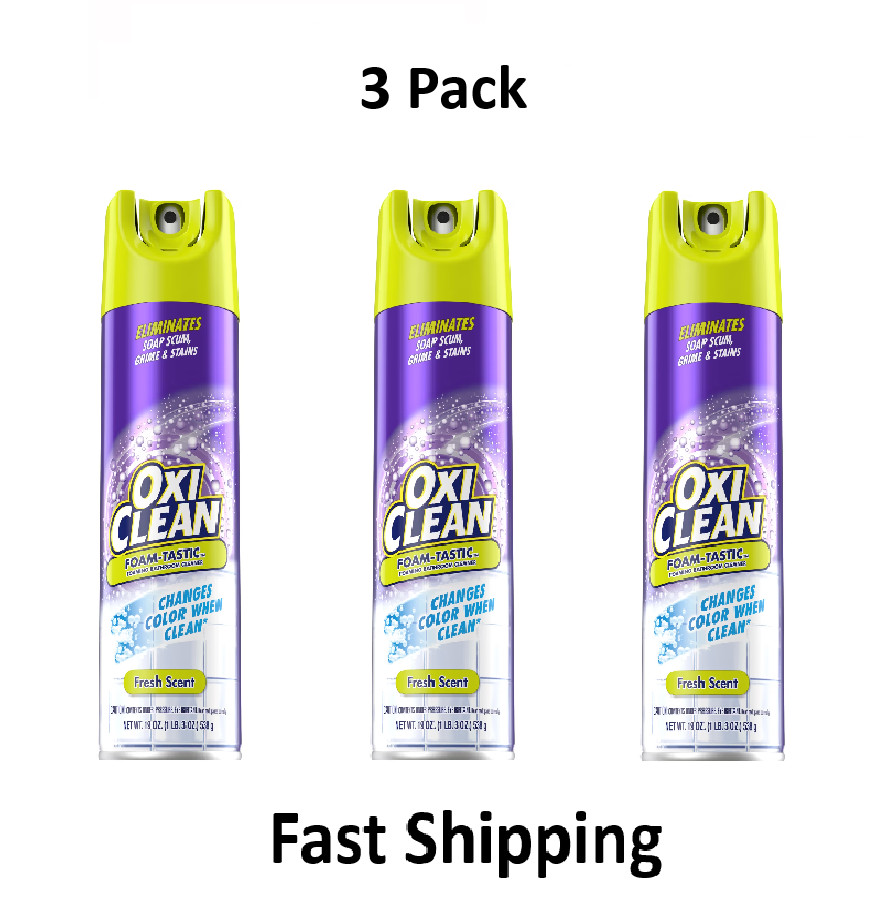 OxiClean Foam-Tastic Bathroom Cleaner, 19 Oz, 3 Pack, Fresh Scent$11.99View on eBay
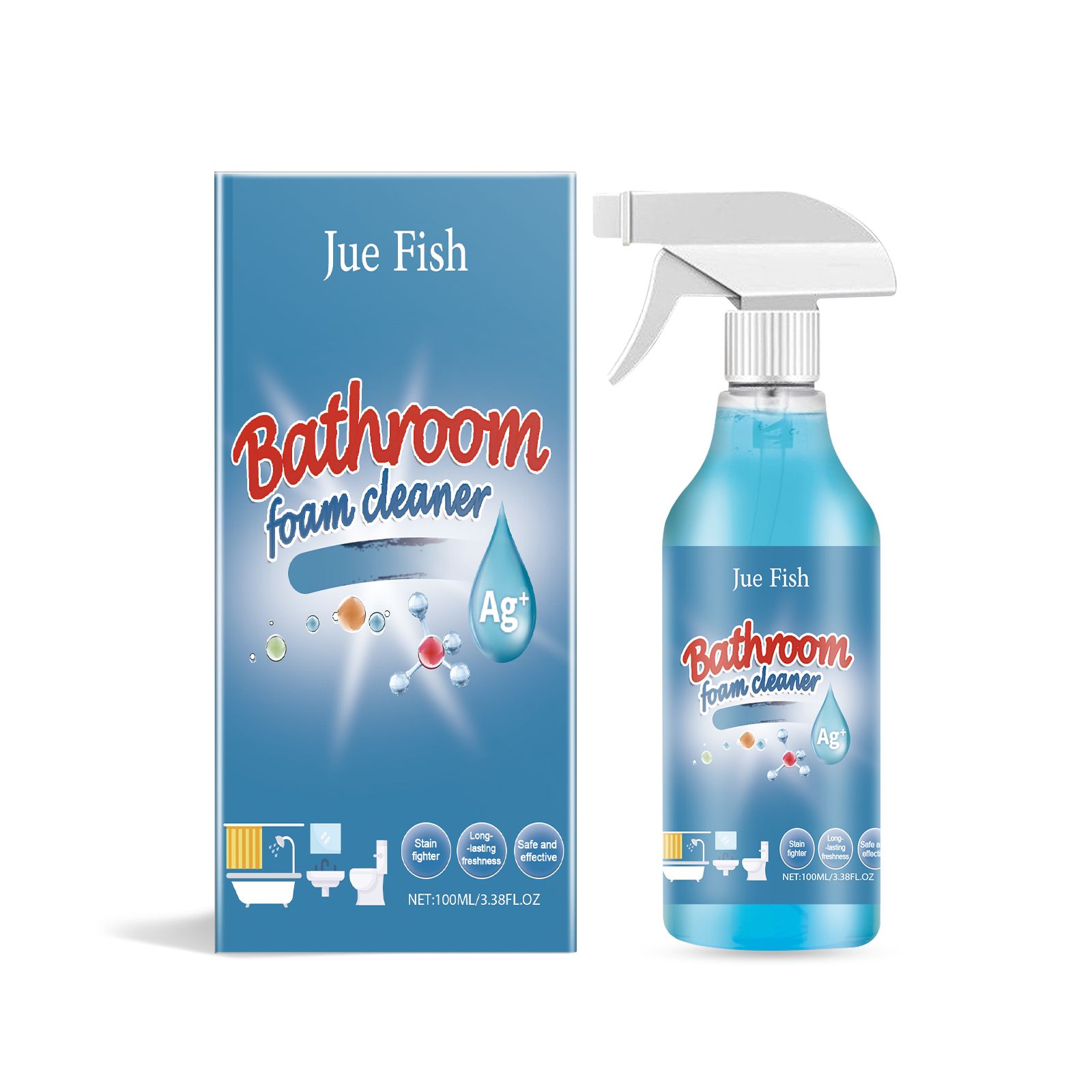 JUE FISH Bathroom Cleaner Spray, 100 ml / 1 Bottle$14.99View on Mallflare
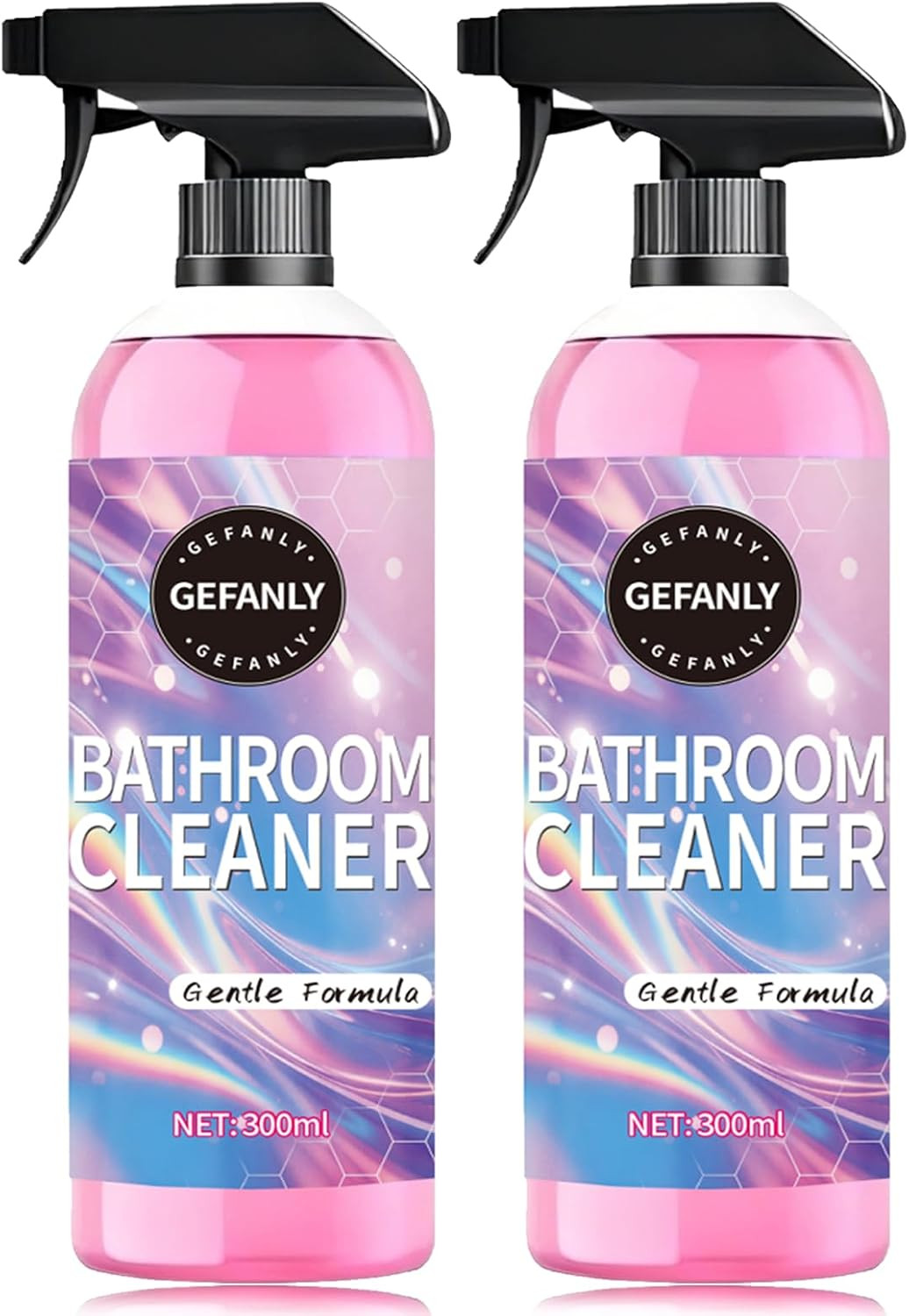 Gefanly Bathroom Cleaner, 10 Fl Oz Gefanly Powerful Pink Bathroom Cleaner Spray,$39.99View on eBay
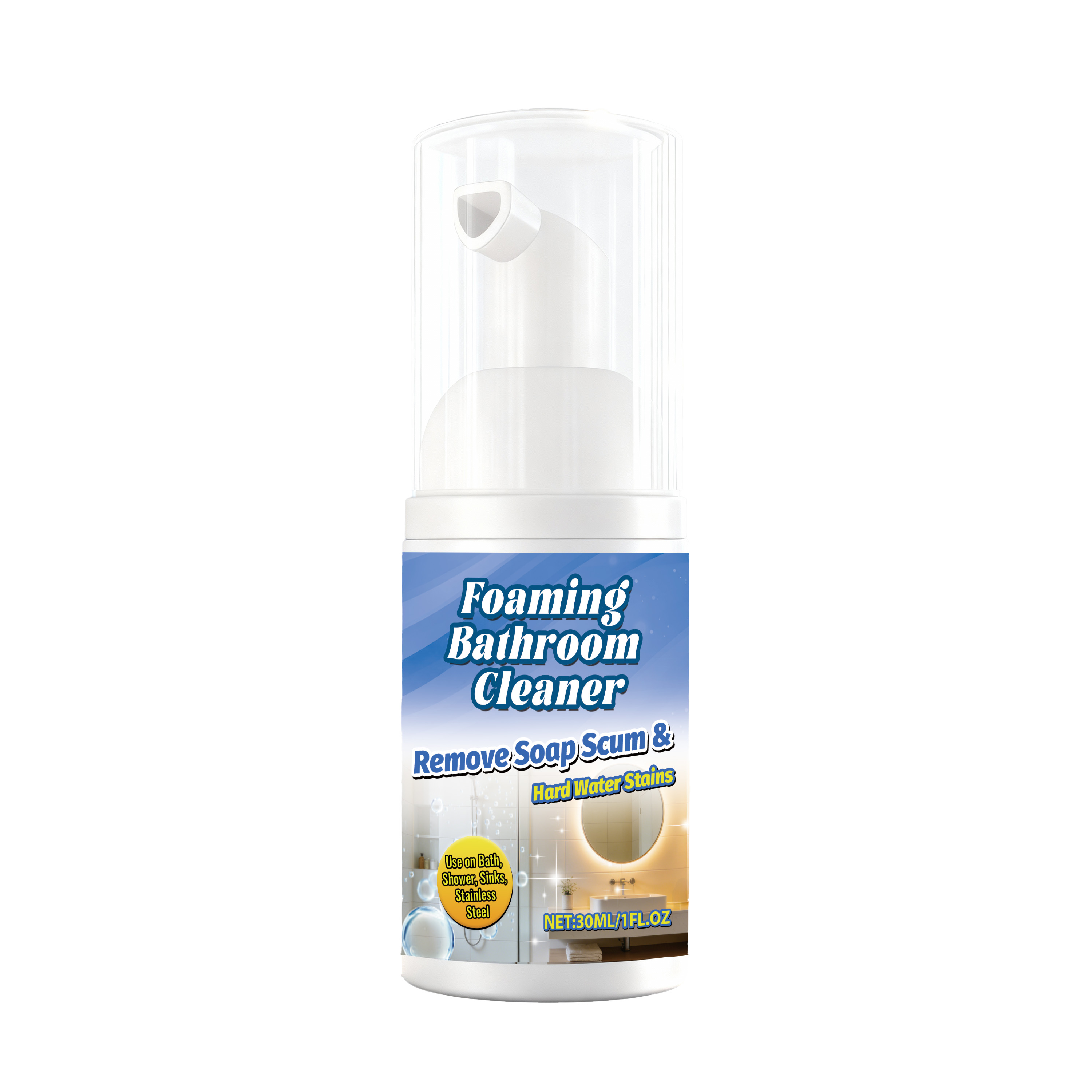 AMZ Bathroom Cleaner, Household Bathtub Tile Multi-Surface Cleaning, Scale And Stain Daily Maintenance$19.99View on Mallflare
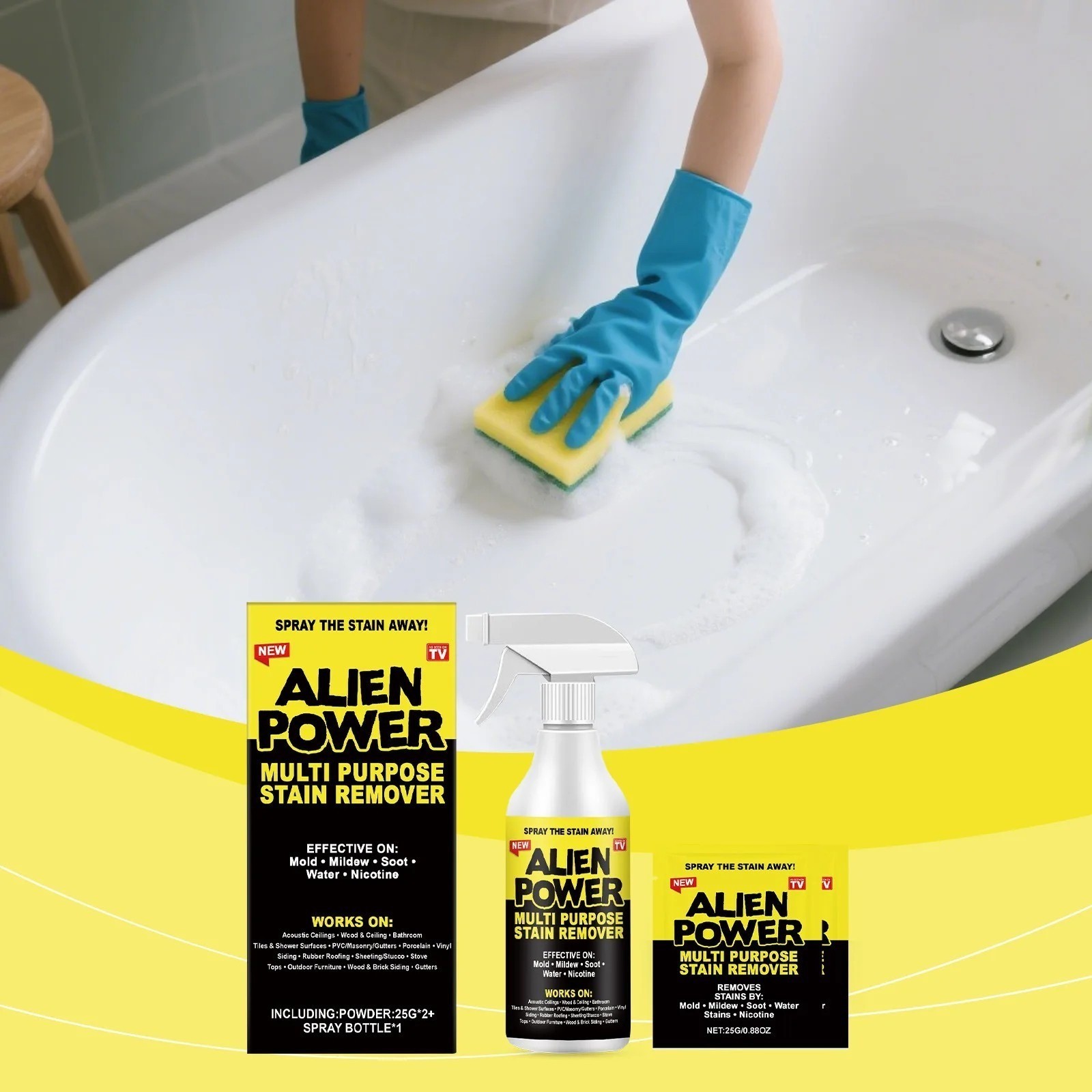 Alien Power Multi Stain Remover Spray Mold Mildew Cleaner Bathroom Tile Set 2Pk$18.75View on eBay
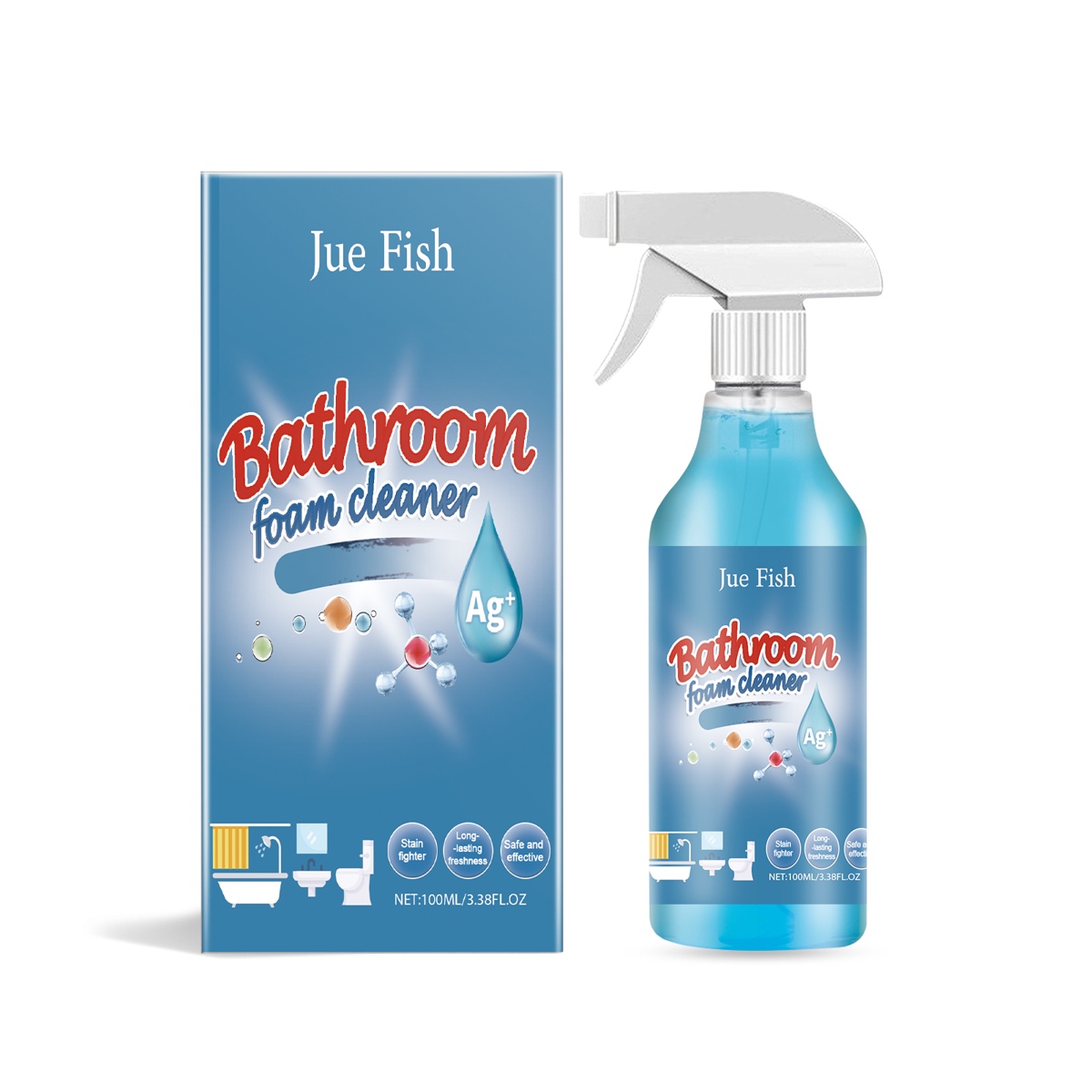 Jue-Fish Bathroom Cleaner, Clean Metal Glass Tiles Stainless Steel Water Stains And Scale$19.99View on Mallflare
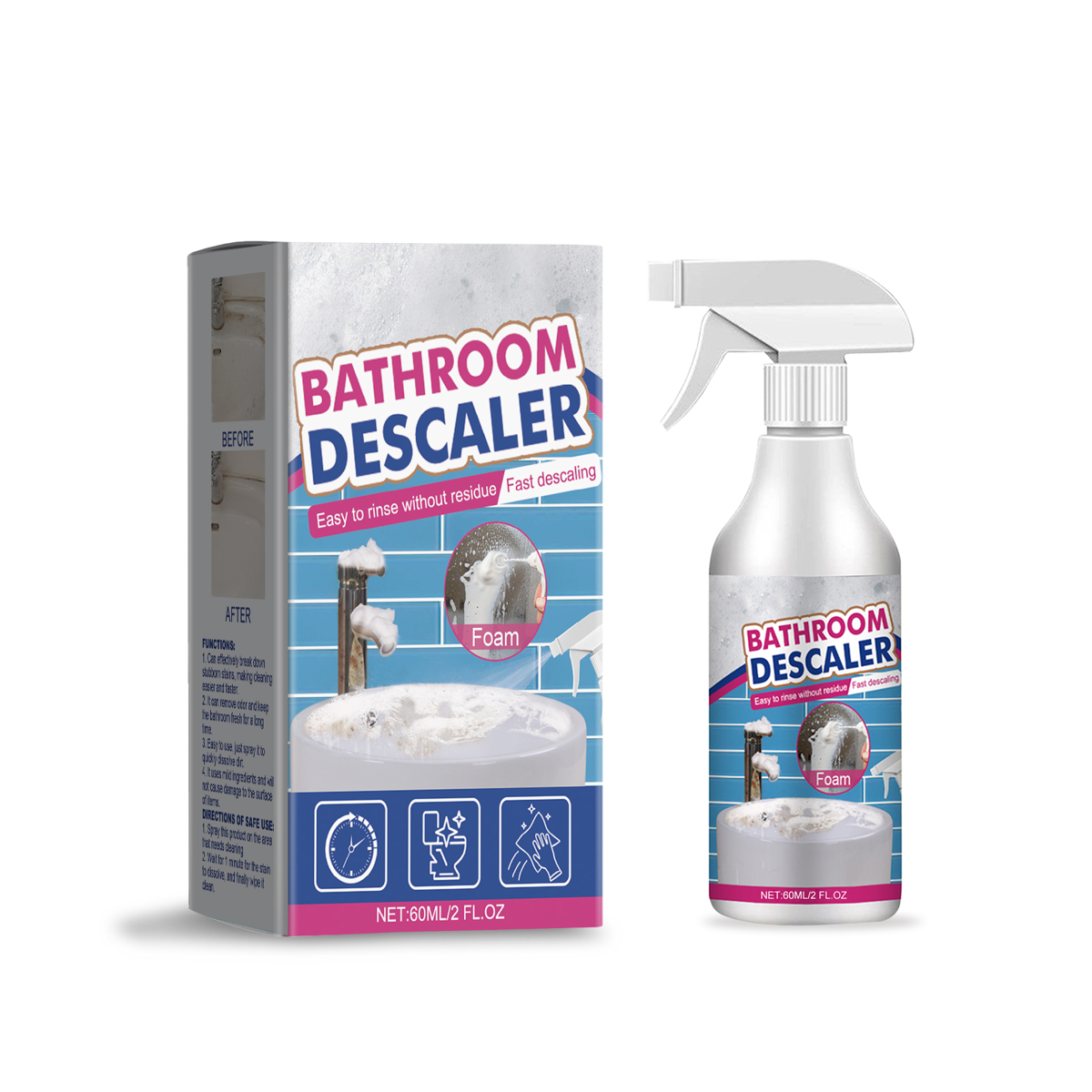 AMZ Bathroom Cleaner, Descaling And Cleaning Liquid, Removing Water Stains And Dirt, Lime Purification Surface$19.99View on Mallflare
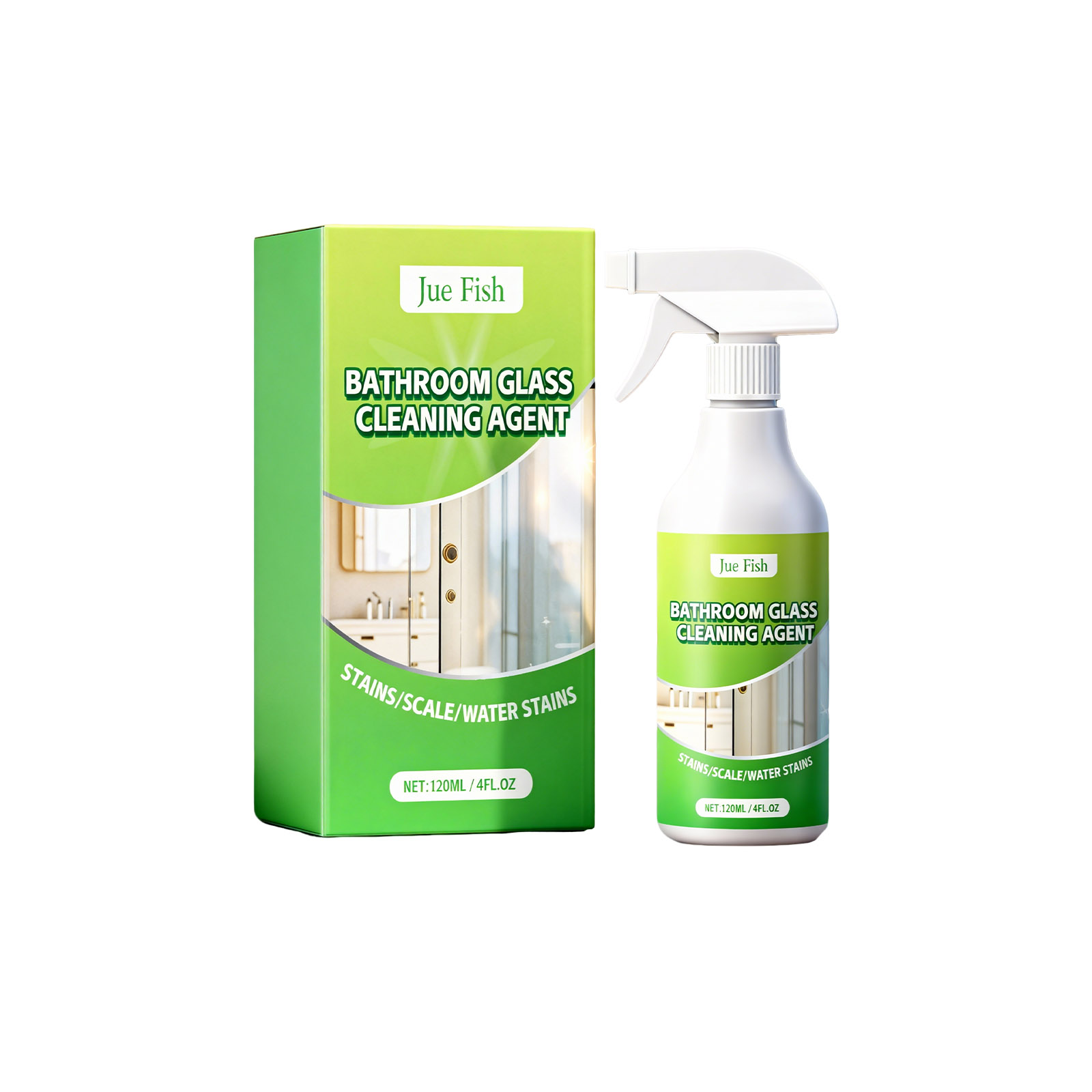 Jue Fish Household Bathroom Cleaner Is Suitable For Glass Tiles, Bathtubs, Faucets, Shower Heads, Water Stains And Rooms$19.99View on Mallflare
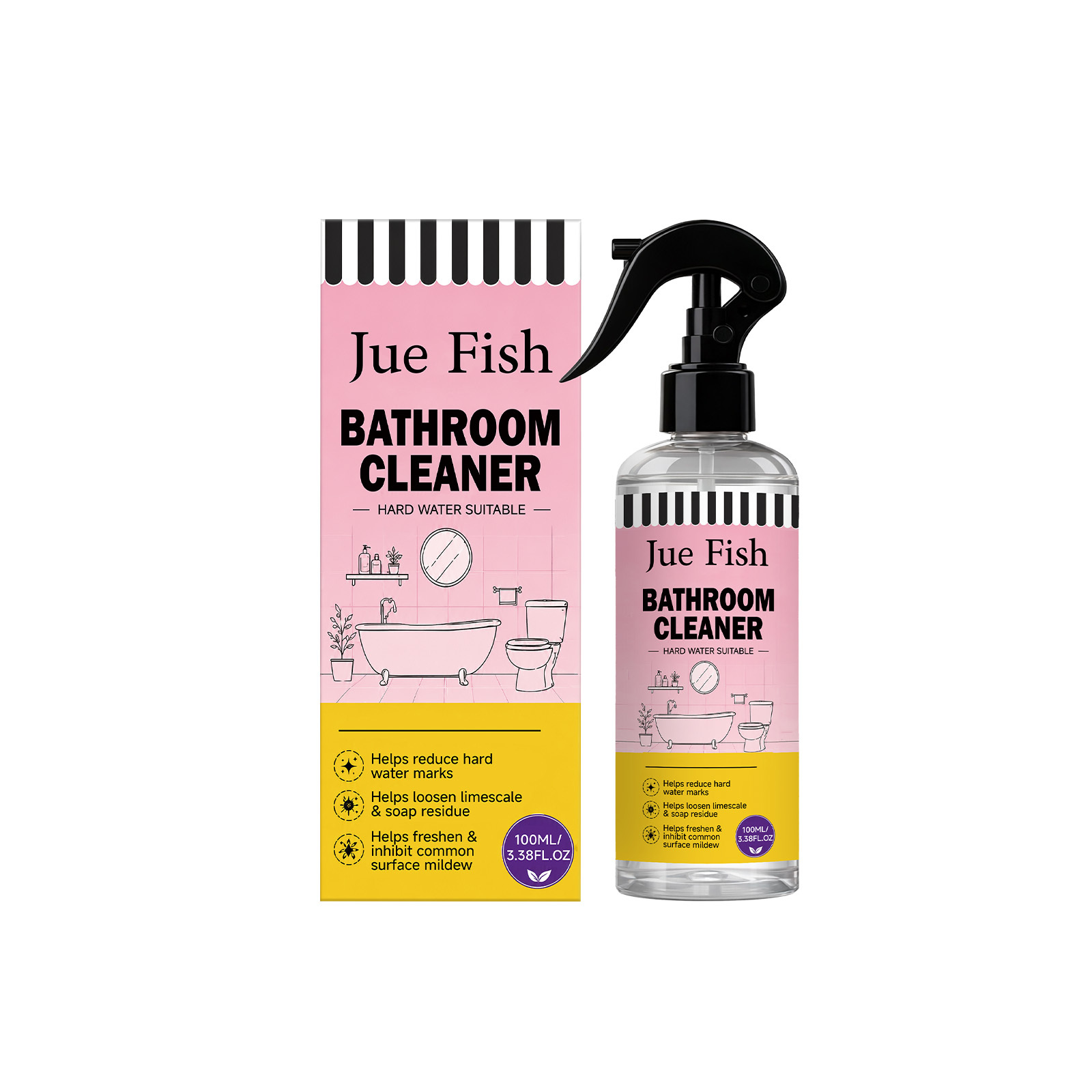 JUE FISH Bathroom Cleaner, 100ml, Cleaning Agent for Home$22.99View on Mallflare
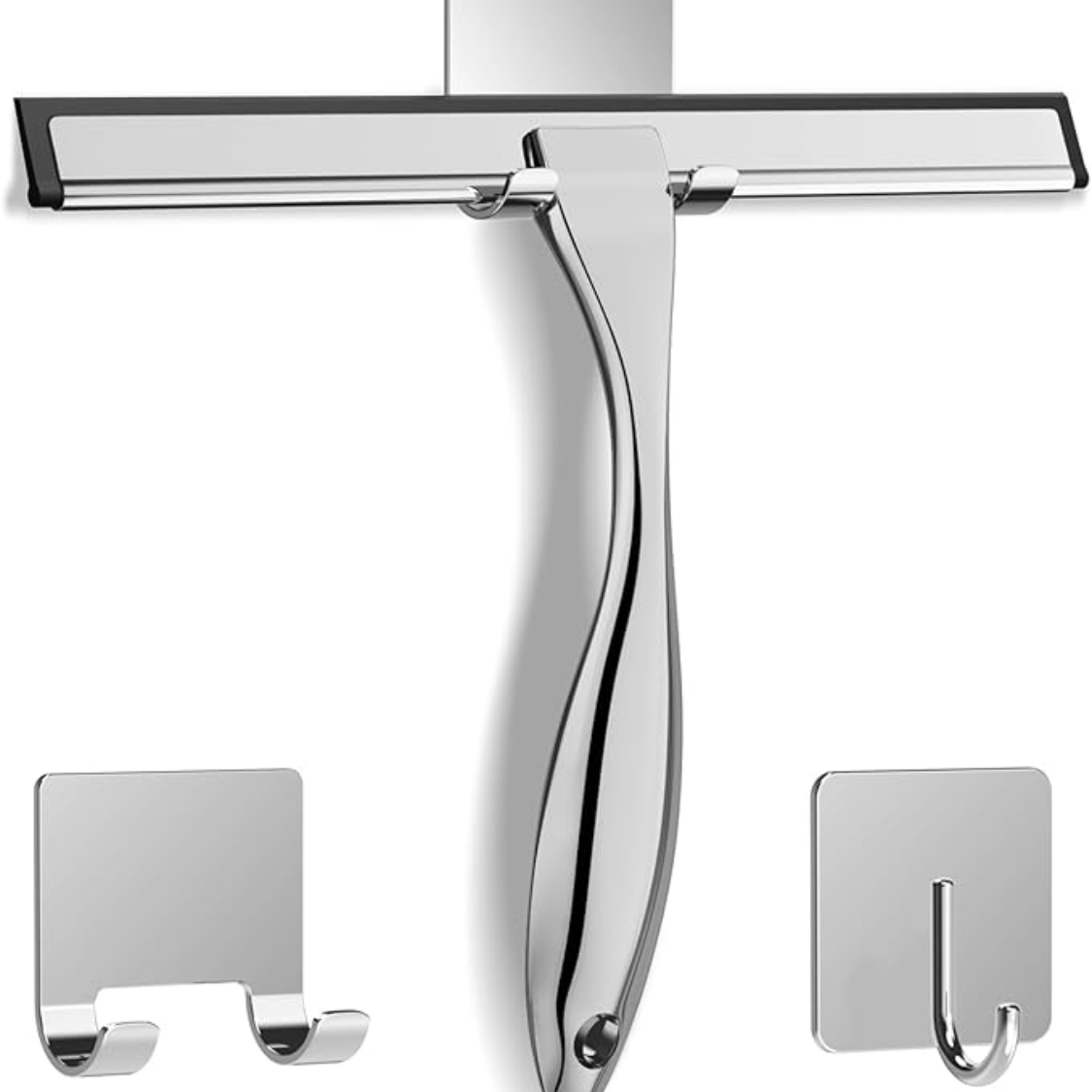 All-Purpose Stainless Steel Shower Squeegee For Glass Door With 2 Adhesive Hooks, Bathroom Cleaner Tool Household Window Mirror , Cleaning$40.99View on Mallflare
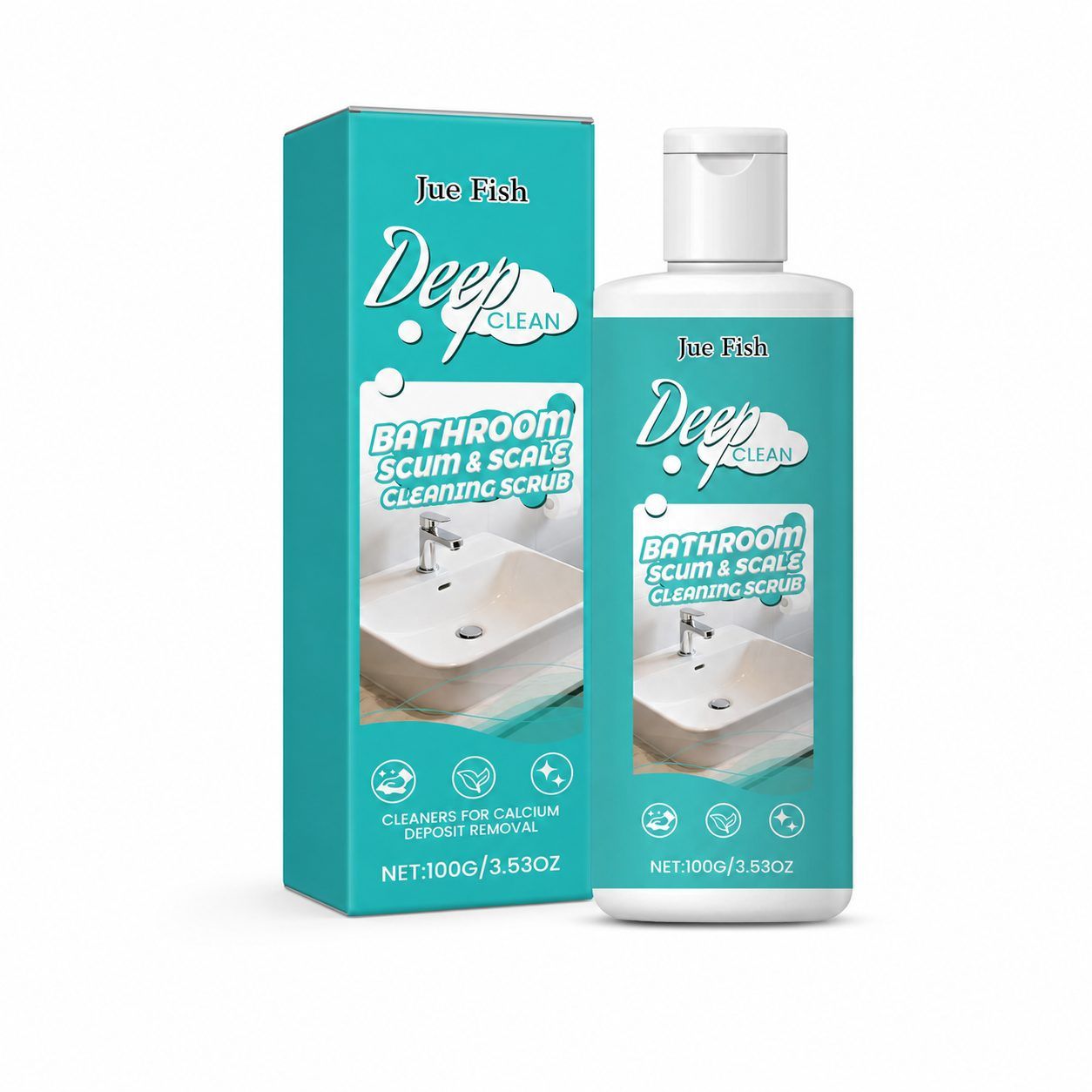 JUE FISH Bathroom Scale Cleaner Powder, 100 g / 1 Pack$14.99View on Mallflare
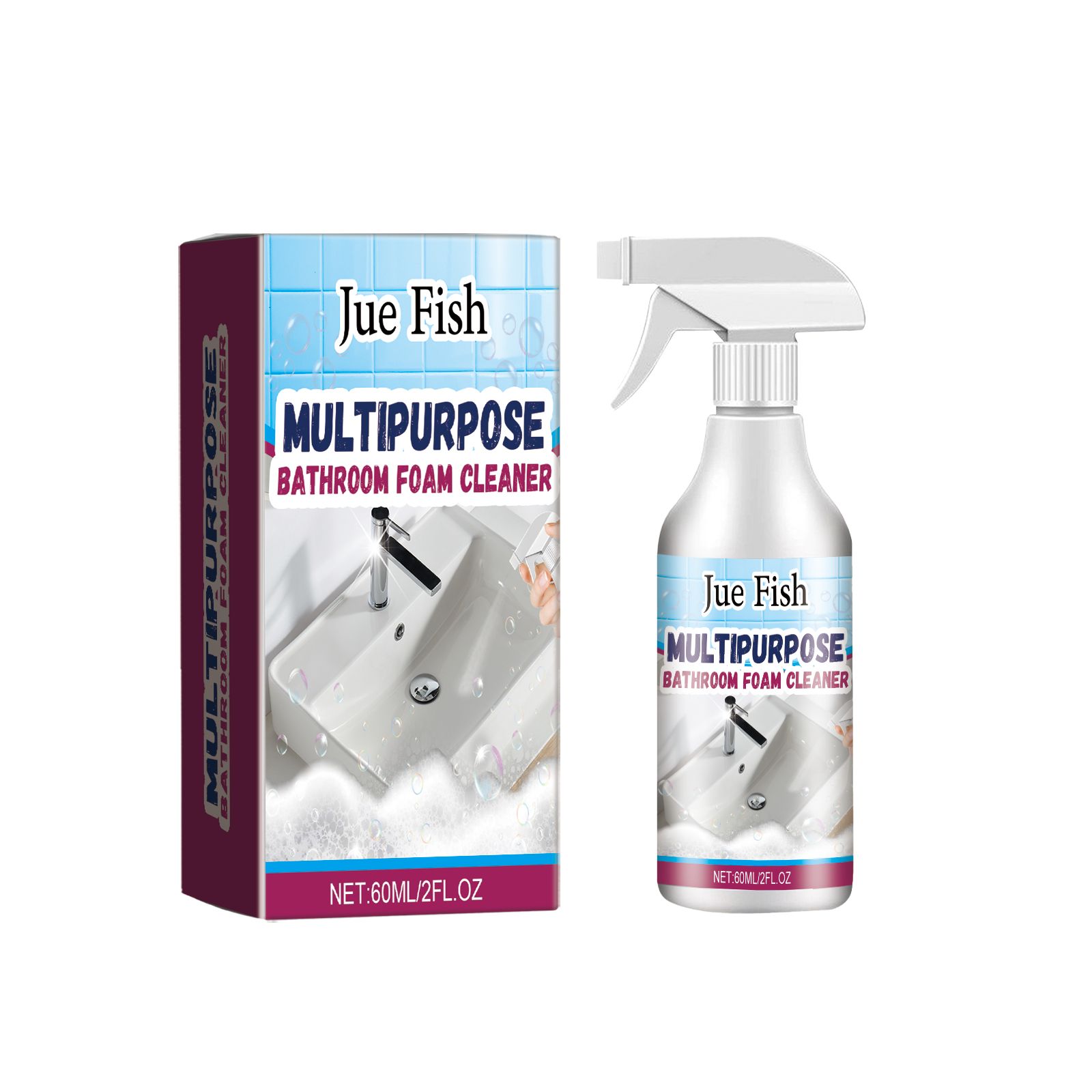 JUE FISH Bathroom Foam Cleaner Spray, 60 ml / 1 Bottle$14.99View on Mallflare
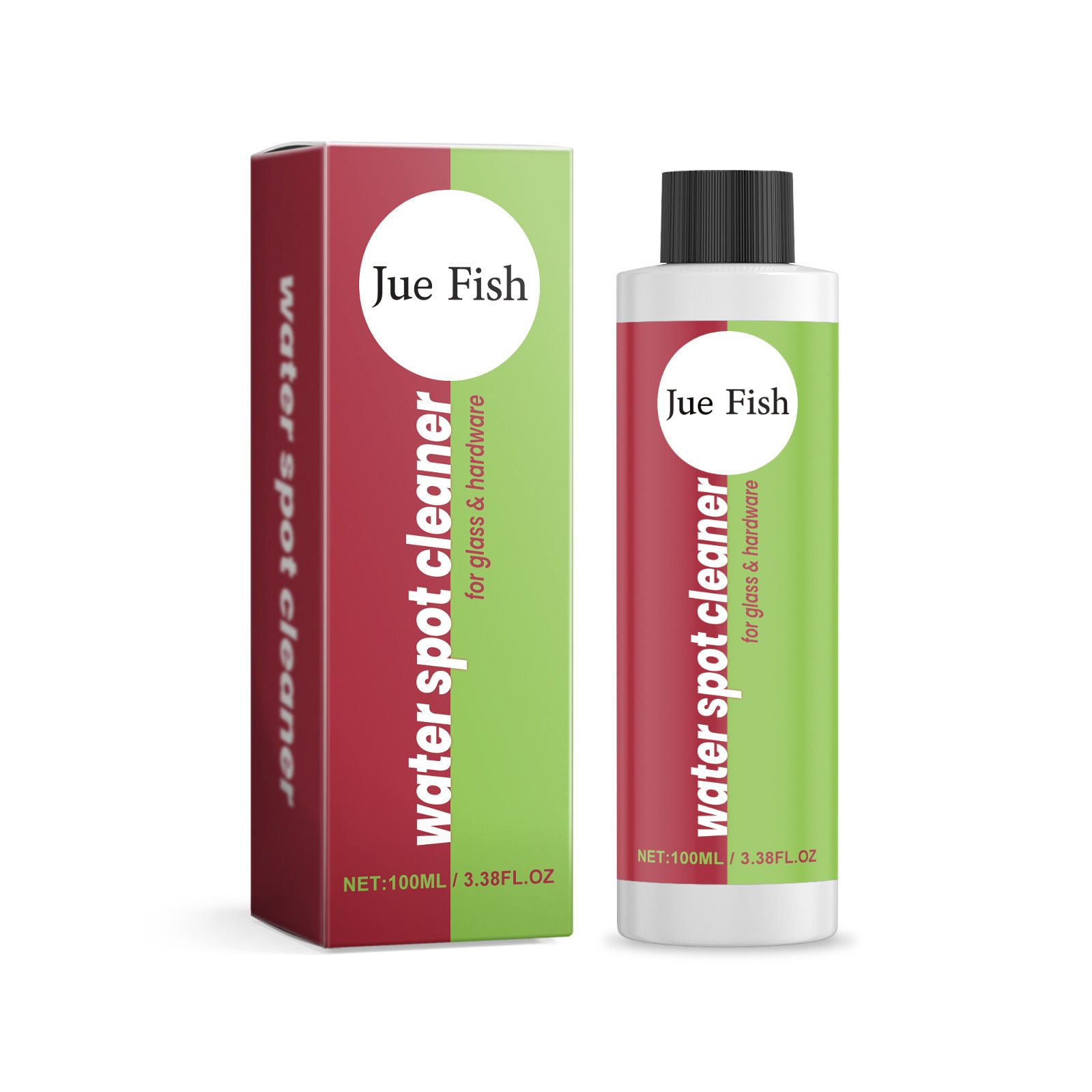 JUE FISH Bathroom Water Stain Cleaner, 100 ml$14.99View on Mallflare
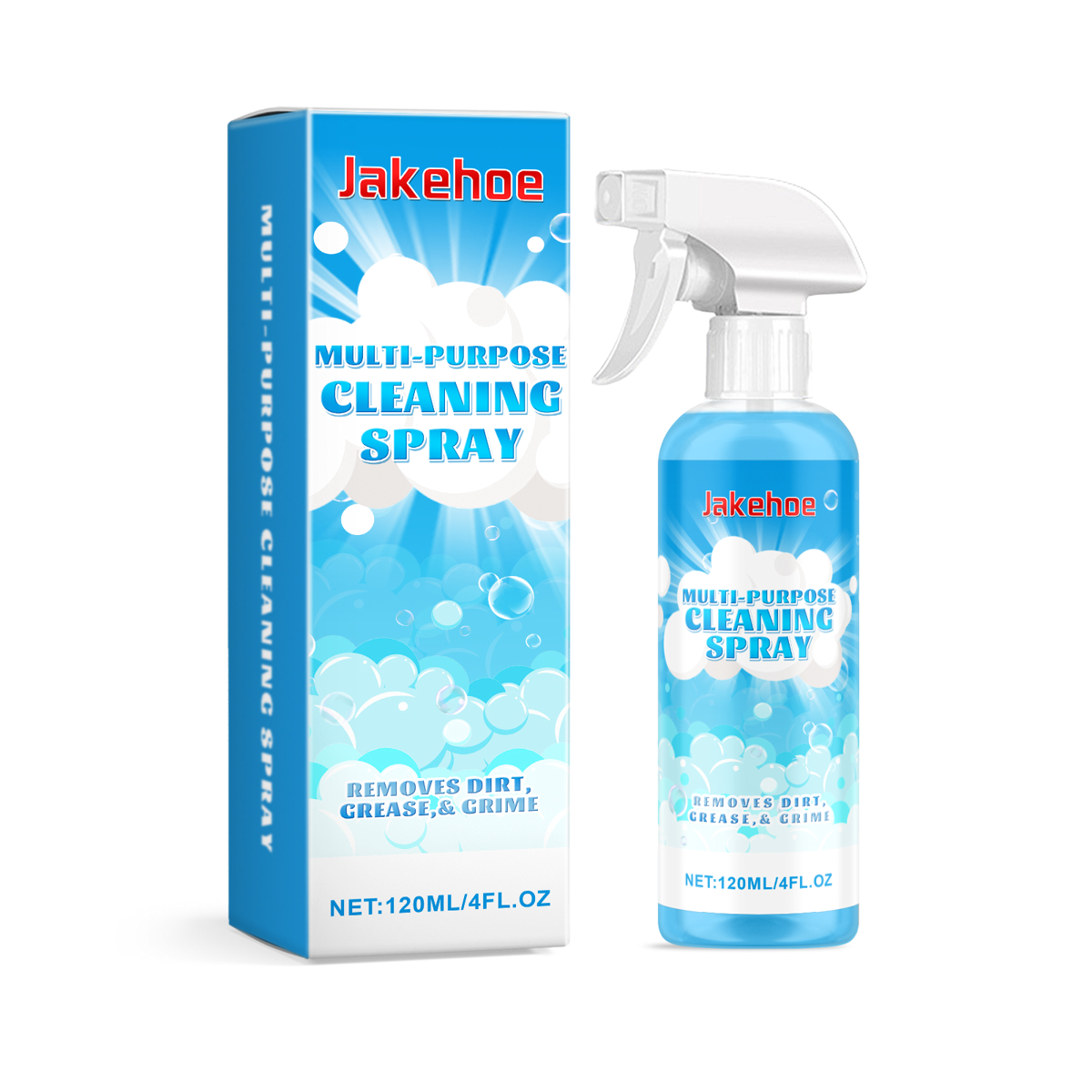 Jakehoe Multi-Purpose Cleaner, Water Stained Wall Grease Toilet Bathroom Household$19.99View on Mallflare
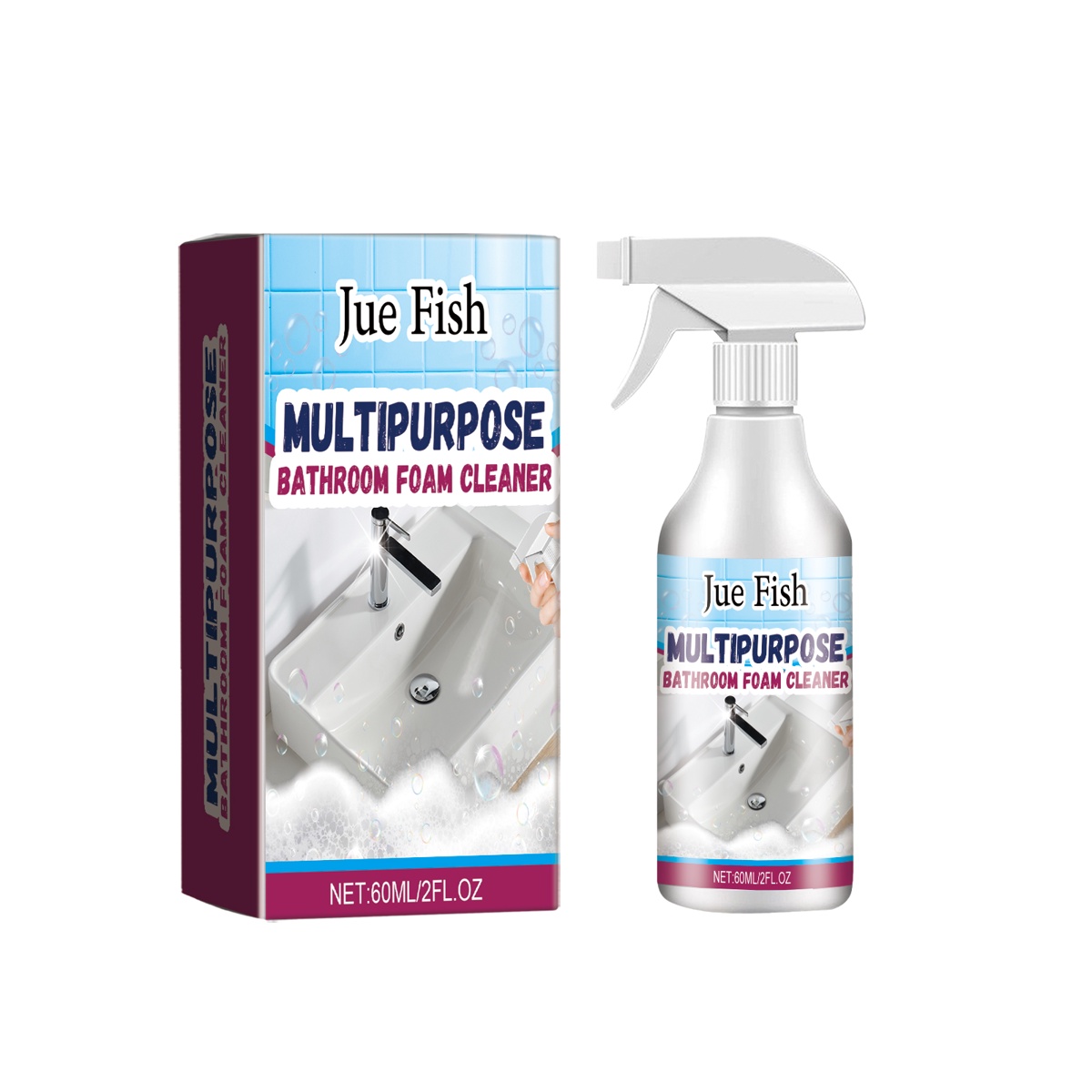 Jue-Fish Bathroom Foam Cleaner, Clean Bath Glass Door Stains And Scale Cleaning$19.99View on Mallflare
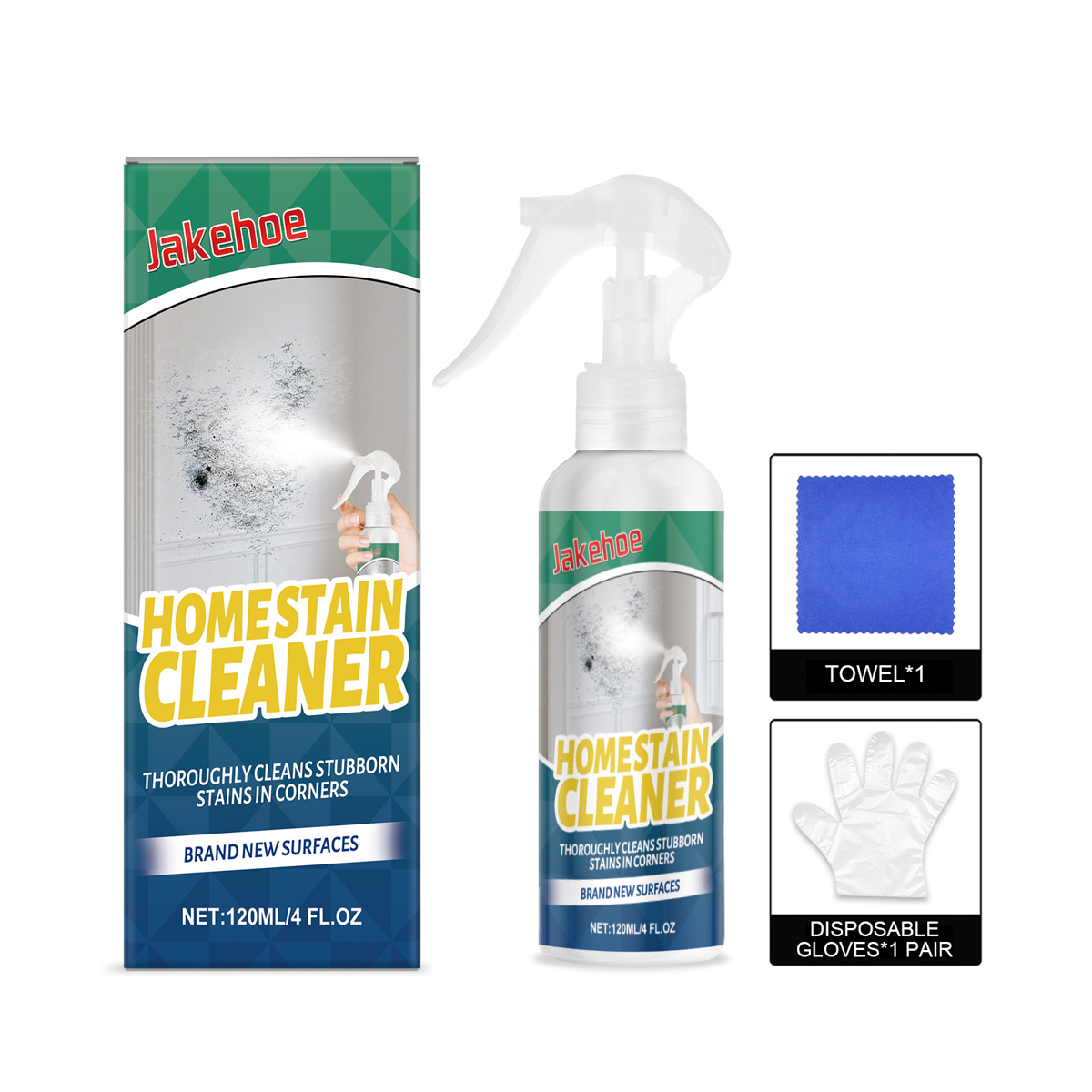 Jakehoe Household Stain Cleaner, Suitable For Kitchens, Bathrooms And Offices. It Saves Time And Effort In Removing Stains And Cleaning$19.99View on Mallflare
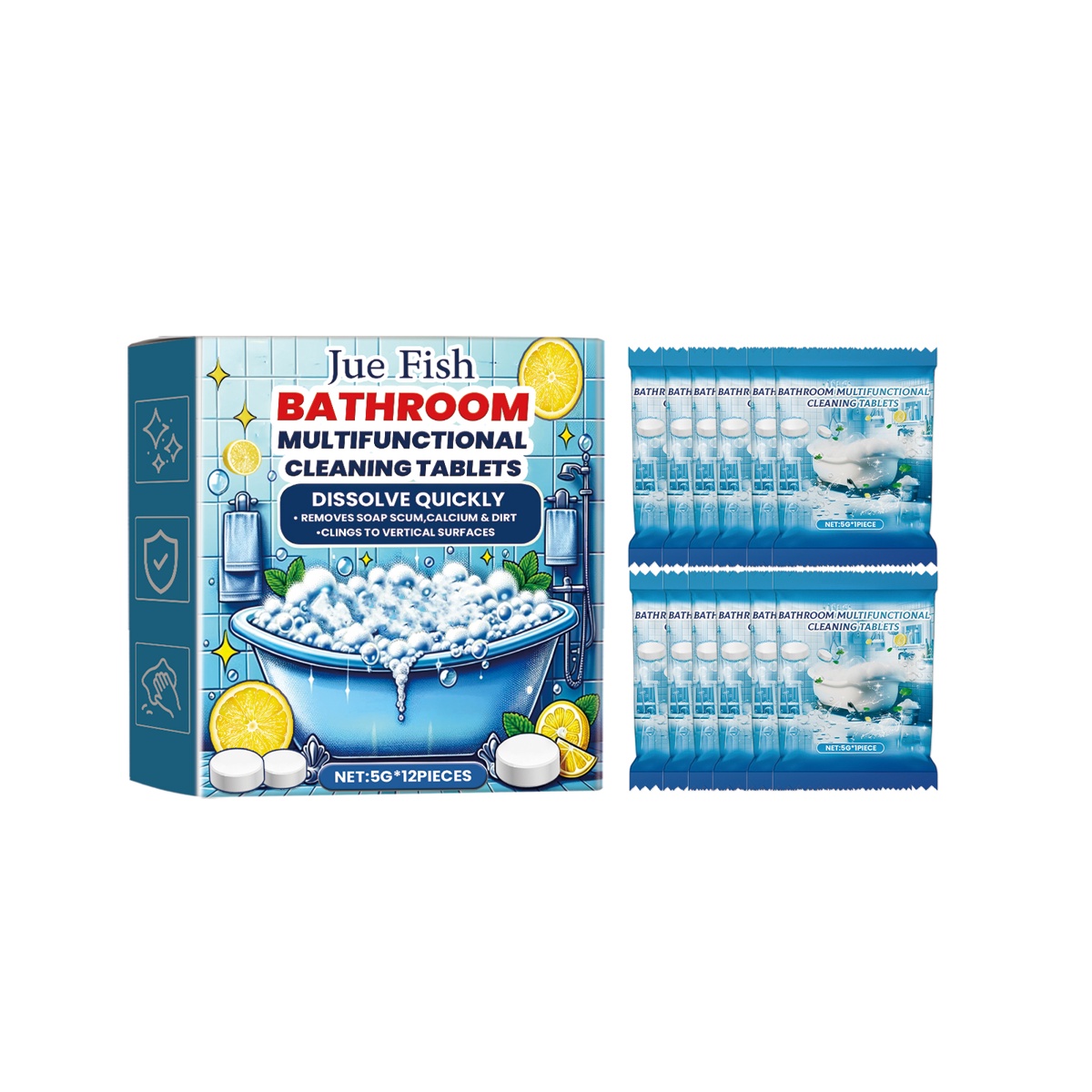 Jue-Fish Bathroom Cleaning Effervescent Tablet, Sink Decontamination Retaining Fragrance Glass Bathtub Scale Cleaner$19.99View on Mallflare
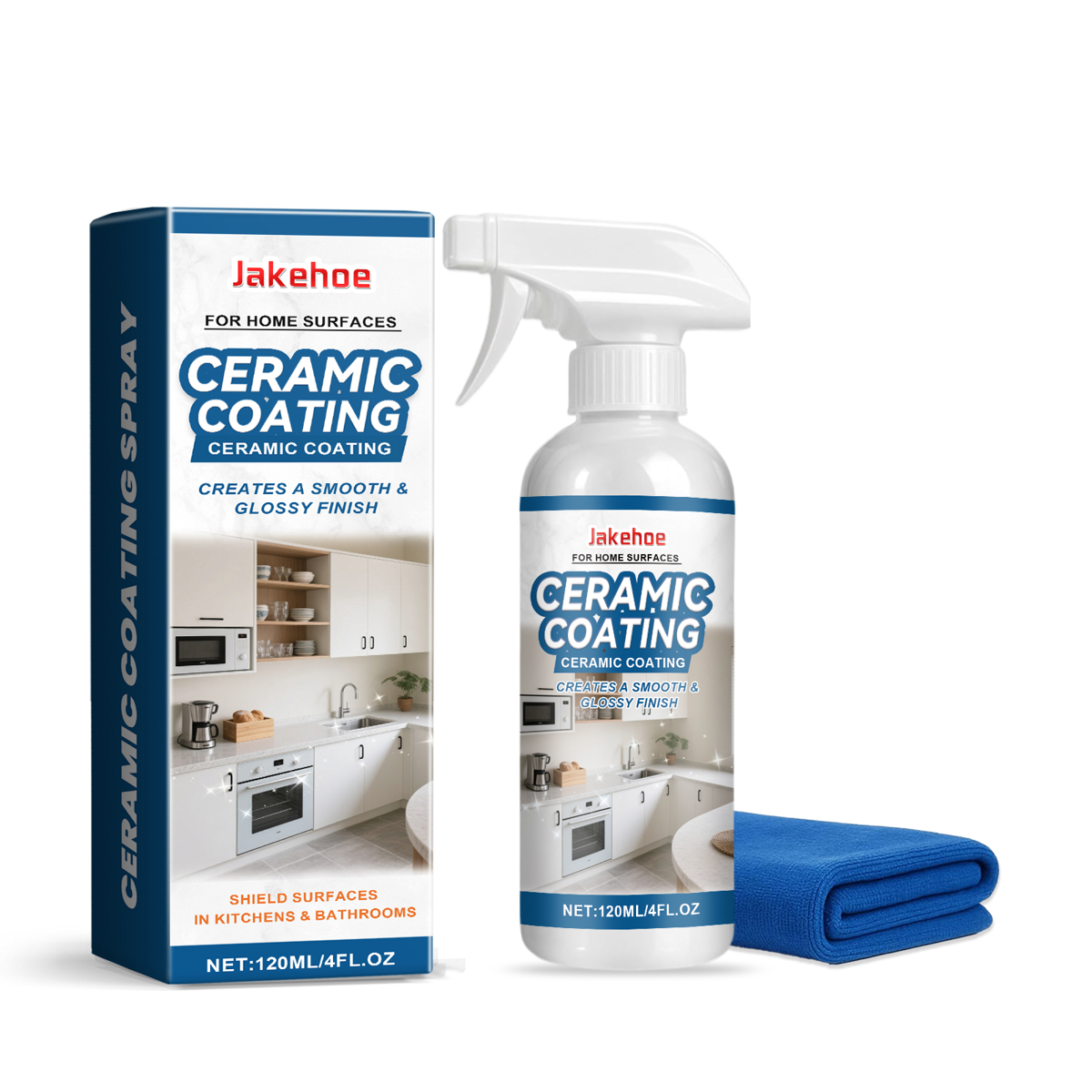 Jakehoe Ceramic Coating Spray Set Kitchen And Bathroom Floor Tile Renovation Cleaner Protection Brightening Care$19.99View on Mallflare
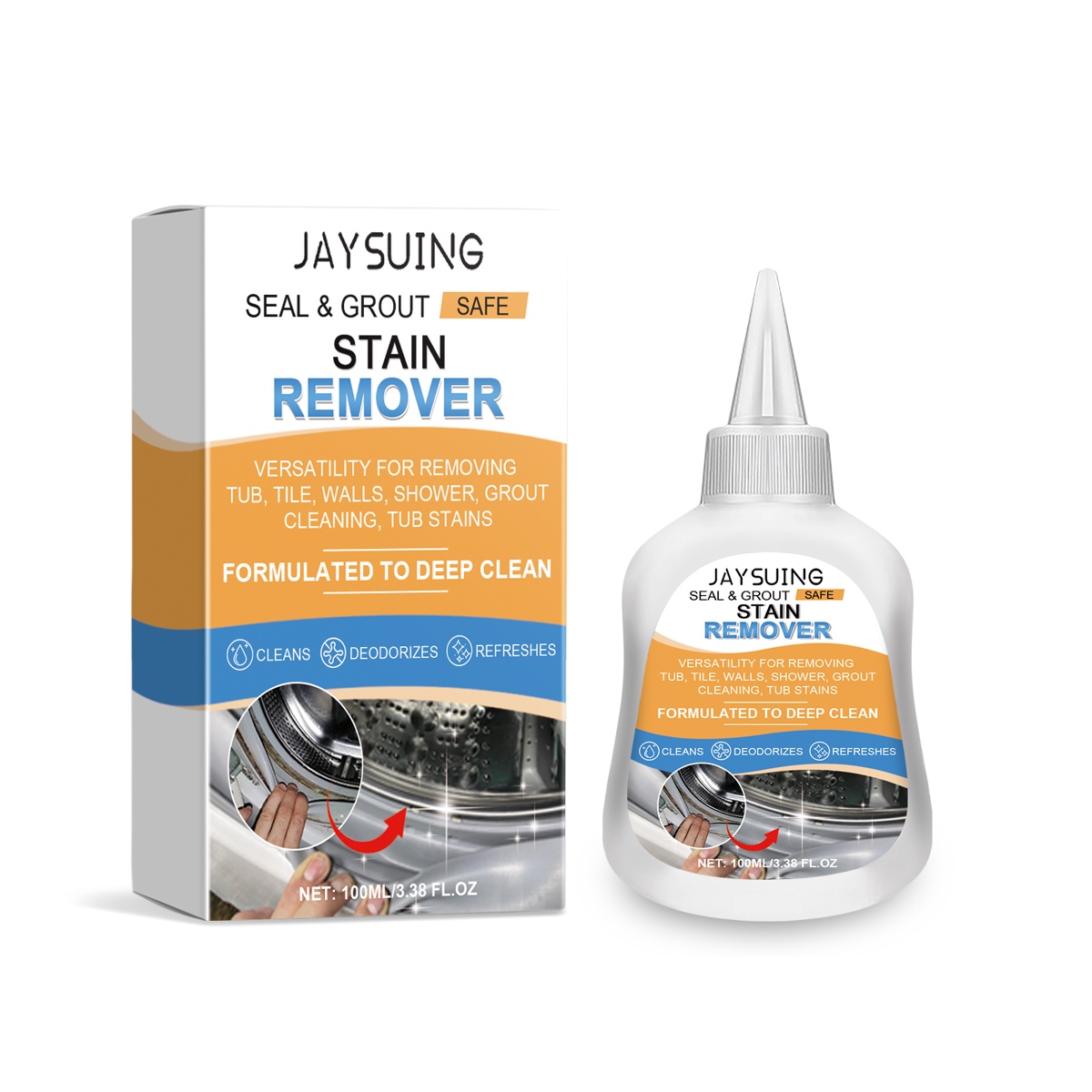 Jaysuing Decontamination Cleaner Roller Washing Machine Slot Bathroom Shower Stains Multi-Functional Clean$19.99View on Mallflare
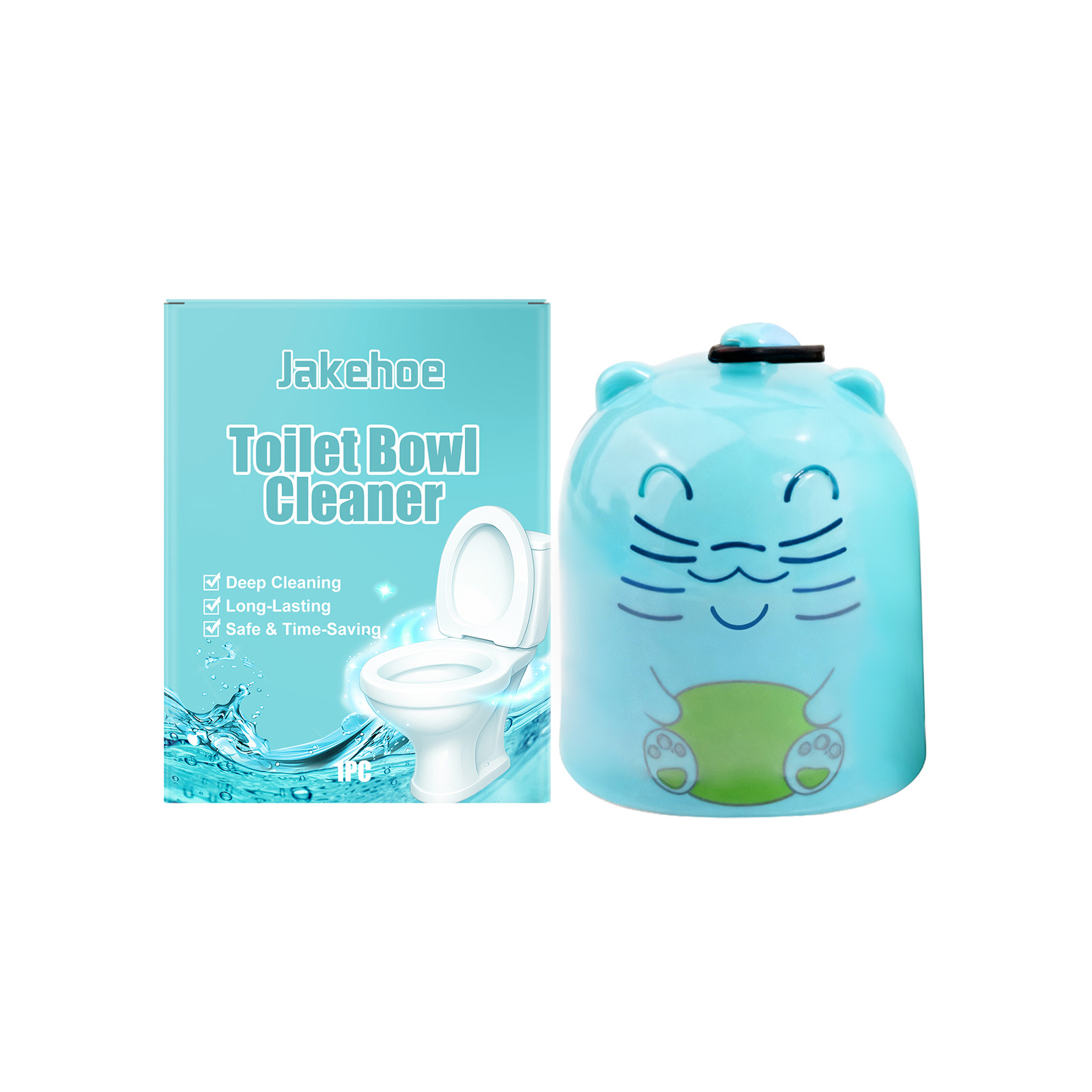 Jakehoe Toilet Cleaner Is A Household Bathroom Cleaning, Decontamination, Scale Removal And Fragrance Retention Type$19.99View on Mallflare
Highlights
- Acid-based descalers dissolve calcium carbonate and magnesium scale; citric and lactic acids are safe on most glazed tile, while hydrochloric acid is for porcelain toilets only.
- Alkaline and bleach cleaners saponify fats and kill mold on grout and caulk but leave hard-water film untouched and can dull natural stone.
- Trigger-spray bottles deliver 0.2-0.4 mL per squeeze; foamers and 360-degree nozzles improve cling on vertical tile and under-rim toilet coverage.
- Surfactant concentration and dwell time (typically 3-10 minutes) matter more than scrub force; thin watery sprays run off before acid neutralizes scale.
Best use cases
- Best for glass shower doors with white haze: pick a citric or lactic acid descaler in a foaming spray; skip bleach-only tub cleaners that leave mineral film.
- Best for grout lines and silicone caulk with pink/black mildew: pick a bleach or quaternary-ammonium cleaner; skip acid descalers that can degrade caulk over repeated use.
- Best for natural stone (marble, travertine) vanities: pick a pH-neutral stone-safe cleaner; skip any acid or bleach formula that etches calcium-based stone.
- Wrong fit: using a hydrochloric-acid toilet bowl cleaner on chrome faucets or enameled tubs—it strips finishes and pits enamel; keep it bowl-only.
Buying tips
- Match active chemistry to soil: citric/lactic acid for scale (pH 2-4), bleach or quat for mildew (pH 10-13), neutral pH 7 for stone and daily maintenance.
- For a standard tub surround (about 30 sq ft), a 10-16 fl oz trigger bottle covers 3-5 full applications; concentrate refills cut plastic and cost per use.
- Avoid acid cleaners on marble, travertine, and concrete; avoid bleach on colored grout and stainless steel—residue causes corrosion and fading.
- Ventilate and wear gloves with hydrochloric or high-bleach formulas; never combine acid and bleach—chlorine gas evolves immediately.
Specs
| Active Chemistry | Citric/lactic acid vs bleach/quat |
|---|---|
| pH Range | Acid 2-4 / Neutral 7 / Alkaline 10-13 |
| Bottle Size | 10-32 fl oz trigger or refill |
| Surface Compatibility | Glass/tile vs stone-safe vs toilet-only |
Related searches
What to check before buying
- Identify surface material first: glazed ceramic and glass tolerate mild acid; natural stone, enamel, and chrome need pH-neutral or non-acid formulas.
- Measure the area: a 10 fl oz bottle treats roughly 25-40 sq ft per application; larger showers or multi-bath homes need refill concentrates or larger sizes.
- Check ventilation and dwell workflow: acid and bleach cleaners require open windows and 5-10 minute dwell; no-rinse daily sprays suit quick maintenance only.
- Confirm companion tools: a squeegee for glass doors after each shower and a grout brush for caulk lines extend results far more than switching brands.
FAQ
Data sources: eBay / Amazon listings and product attribute feeds. Updated Nov 22, 2026.
Some links on this page are affiliate links. If you buy after clicking one, we may earn a commission at no extra cost to you. This does not change which products appear here or their order. Affiliate disclosure.