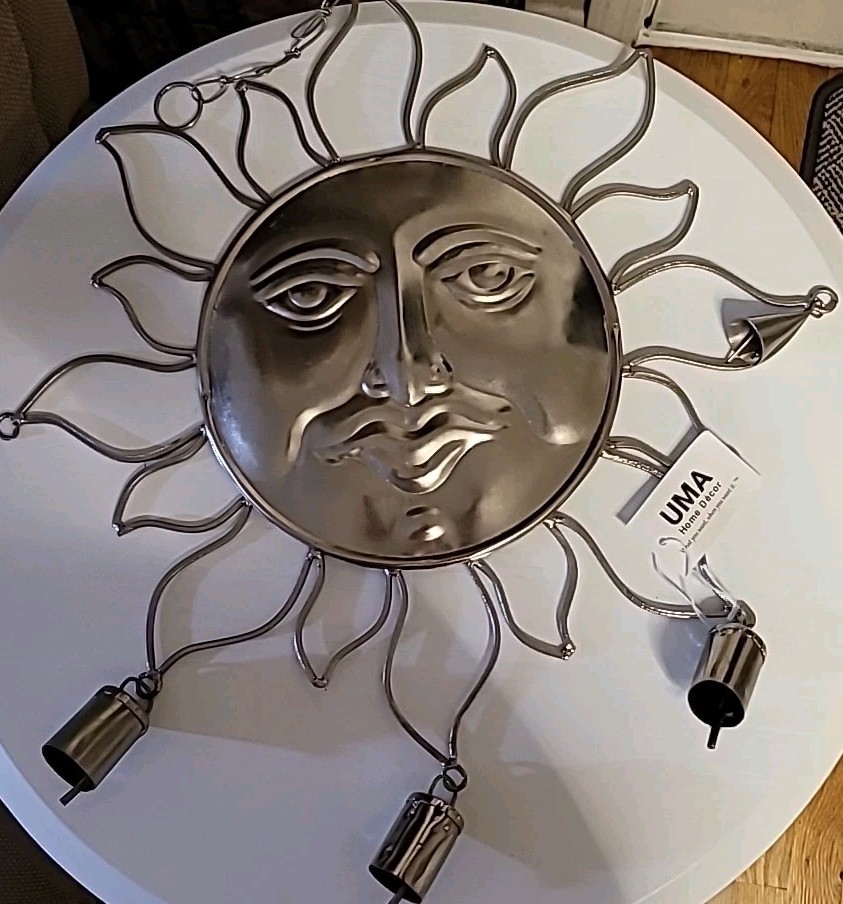

Photos from current listings. Actual item, color, and included accessories may vary.
Wind Chime Buying Guide
Wind chimes are outdoor/indoor decorative acoustic instruments whose sound and longevity are dictated by tube material and wall thickness, not by the number of tubes or decorative finish. The core trade-off is between corrosion-proof, thick-walled aluminum or brass—which holds tuning and survives weather—and thin steel or bamboo that rusts, warps, or loses pitch within a season. The decision rule: buy chimes rated for outdoor use with tube walls of at least 1.5 mm and sealed hanging hardware; treat any uncoated steel or paper-thin tube set as a disposable indoor accessory.
At a glance
- Category
- Mirrors, Wall Decor & Decorative Accessories
- Last updated
- Nov 22, 2026
Current offers
Highlights
- Tube alloy decides lifespan: anodized aluminum and silicon bronze resist rust and hold pitch; uncoated steel and thin brass plate corrode and detune in wet climates.
- Wall thickness of 1.5–3 mm produces a sustained fundamental tone; tubes under 1 mm sound thin, dent easily, and drift out of tune from thermal cycling.
- Tuned chimes follow pentatonic or major scales cut to specific tube lengths; untuned decorative sets produce random clatter rather than musical intervals.
- Hanging hardware separates outdoor from indoor models: stainless steel wire, nylon-coated cord, and sealed striker discs survive UV and rain; bare twine and mild-steel hooks fail first.
Best use cases
- Best fit for a windy coastal or rainy garden: pick anodized aluminum or silicon-bronze chimes with stainless hanging wire and a 1.5 mm+ wall—skip bamboo and uncoated steel.
- Best fit for a covered porch or indoor room where subtle tone matters: choose a smaller pentatonic-tuned aluminum set (6–8 tubes) and skip oversized bass chimes that need wind to resonate.
- Wrong fit for high-wind exposed rooftops: thin-walled or long-tube sets swing violently and strike hard enough to dent or crack—choose a shorter, thicker-walled model or a wind-bell style instead.
- Best fit for gifting or seasonal decor: decorative painted aluminum or resin chimes are fine for sheltered spots; skip them for year-round outdoor exposure where UV fades paint and resin embrittles.
Buying tips
- Match tube length to wind exposure: 20–30 inch tubes need steady breeze (10+ mph) to sound; 10–15 inch tubes respond to light 3–5 mph air and suit patios.
- Check wall thickness before buying: 1.5–2 mm aluminum or 2–3 mm brass gives sustain and dent resistance; anything under 1 mm is decor-grade only.
- Choose tuned scales over tube count—a 6-tube pentatonic set sounds musical, while a 12-tube untuned set just adds volume and visual bulk.
- Verify hanging hardware material: stainless steel or marine-grade cord is required for outdoor use; mild-steel S-hooks and cotton twine rust or rot within months.
Specs
| Tube Material | Anodized aluminum / bronze / bamboo |
|---|---|
| Wall Thickness | 1.5–3 mm (outdoor) vs under 1 mm |
| Tuning | Pentatonic / major scale vs untuned |
| Hanging Hardware | Stainless steel / marine cord vs twine |
Related searches
What to check before buying
- Measure your hanging point height and clearance: large chimes need 36–60 inches of drop from hook to striker so tubes swing without hitting walls or roof eaves.
- Confirm wind exposure at the mounting spot—average local wind speed determines whether to buy long bass tubes or short high-tone tubes.
- Check climate: salt air and frequent rain demand anodized aluminum, bronze, or marine-grade hardware; dry climates tolerate brass and coated steel.
- Verify the mounting anchor matches your surface—wood beam, brick, or metal bracket—and that the top ring or hook diameter fits your existing hanger.
FAQ
Data sources: eBay / Amazon listings and product attribute feeds. Updated Nov 22, 2026.
Some links on this page are affiliate links. If you buy after clicking one, we may earn a commission at no extra cost to you. This does not change which products appear here or their order. Affiliate disclosure.