
Photos from current listings. Actual item, color, and included accessories may vary.
Wall Decal Buying Guide
Wall decals are thin, self-adhesive surface coverings—vinyl, acrylic, or wood-composite—used to add pattern, imagery, or faux-mirror effect without structural changes. The core trade-off is adhesive grade and substrate thickness: removable low-tack vinyl protects rental walls, while permanent high-tack or rigid acrylic delivers durability and visual depth but risks paint and drywall damage on removal. Buy removable matte vinyl for rentals and large-format graphics; choose rigid acrylic or wood-composite tiles only for semi-permanent feature walls on sound, smooth substrates.
At a glance
- Category
- Mirrors, Wall Decor & Decorative Accessories
- Last updated
- Nov 22, 2026
Current offers
 CIFbuy 1pc Exquisite Bohemian Metal Gothic Style Skull Couple Wall Art Mural, suitable for indoor, outdoor, home, courtyard, balcony decoration.room decor,ha$24.99View on Mallflare
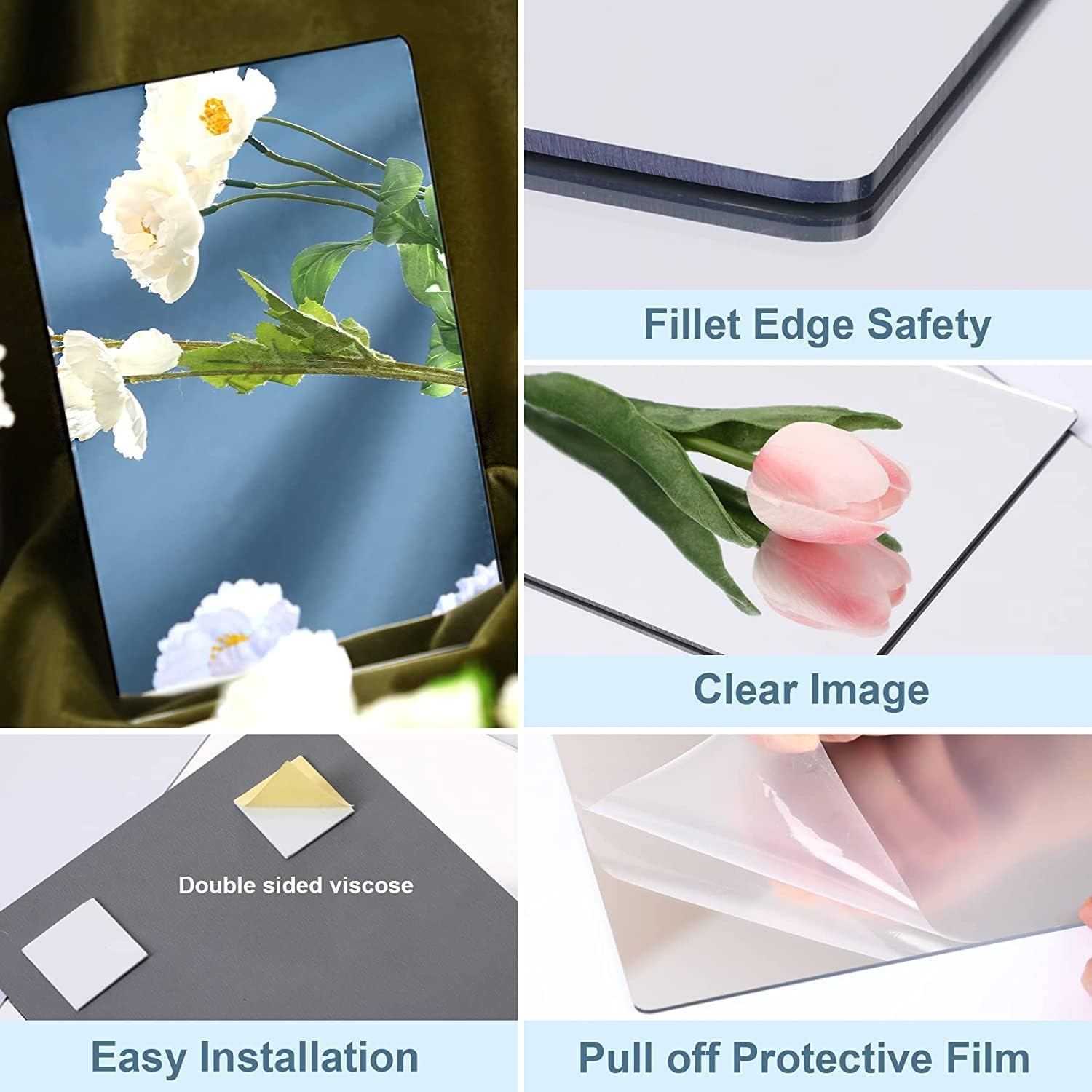 Acrylic Mirror Tiles 4 PCS, 12x12 Inch Self Adhesive Flexible Plastic Sheets, 2mm Frameless Wall Stickers For Home Decor$67.99View on Mallflare
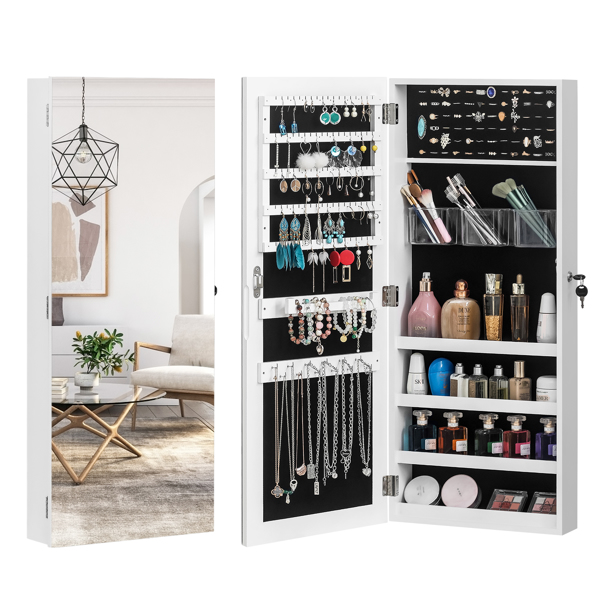 Full Mirror Wall Hanging, 4 Layers Of Storage, 3 Boxes, Wooden Stickers$101.99View on Mallflare
Highlights
- Vinyl decals are classified by adhesive: removable (low-tack, 1–3 year indoor life) versus permanent (high-tack, 5+ years); removable versions lift cleanly from sealed paint but fail on flat-matte or fresh (<30 day) paint.
- Rigid faux-mirror tiles are acrylic (2–3 mm) or glass; acrylic is shatter-resistant and lightweight but scratches, while real glass offers truer reflection at 3–5× the weight and requires adhesive mounting clips.
- Surface texture governs bond strength: smooth sealed drywall, glass, tile, and metal bond at full rated hold; textured plaster, brick, cinder block, and wallpaper reduce contact area by 40–70% and demand a primer or adhesive promoter.
- Large-format wall decals (over 60 cm) ship in overlapping panels or transfer-tape sections; panel count and registration marks—not image resolution—determine seam visibility and installation difficulty.
Best use cases
- Rental bedroom accent wall: pick removable matte vinyl in a single large panel under 60 cm width; skip permanent high-tack adhesive and rigid acrylic tiles that chip paint and require drilling or clips.
- Nursery or kids' room: choose PVC-free, phthalate-free removable vinyl with water-based adhesive; skip standard permanent vinyl and glass mirror tiles due to shatter risk and adhesive residue.
- Semi-permanent feature wall in an owned home: use 2–3 mm acrylic mirror tiles with mounting tape on smooth sealed drywall or tile; skip thin 0.5 mm vinyl faux-mirror film, which distorts reflection and bubbles.
- Bathroom or humid area: select moisture-rated vinyl or sealed acrylic with waterproof adhesive; skip standard paper-backed vinyl and unsealed wood-composite decals that swell, lift, and mold.
Buying tips
- Match decal width to wall: single-panel graphics up to 60 cm install cleanly; anything wider needs overlapping panels with 1–2 cm registration overlap, so plan the seam line along a natural wall break.
- Check adhesive type before purchase: removable low-tack for rentals and temporary decor; permanent high-tack only for owned walls with sealed, cured paint at least 30 days old.
- For faux-mirror effect, choose 2 mm or thicker acrylic with a protective film; thin 0.5 mm vinyl mirror film distorts at viewing angles beyond 15° and shows wall texture.
- Verify substrate compatibility: smooth sealed drywall, glass, tile, and metal accept decals directly; textured plaster, brick, and wallpaper need a smooth primer coat or adhesive promoter to reach rated hold.
Specs
| Material Type | Vinyl / Acrylic / Wood-composite |
|---|---|
| Adhesive Grade | Removable low-tack vs permanent high-tack |
| Tile Thickness | 0.5 mm film / 2–3 mm rigid acrylic |
| Panel Width | Single ≤60 cm / multi-panel >60 cm |
Related searches
What to check before buying
- Measure the target wall width and height; confirm the decal's largest panel fits within one uninterrupted surface and that seams fall on natural breaks.
- Test wall finish: sealed gloss or satin paint bonds well; flat-matte, fresh paint under 30 days, or textured plaster requires a primer or adhesive promoter.
- For acrylic mirror tiles, confirm the wall is flat within 3 mm per meter; uneven walls cause tile edges to lift and distort reflections.
- Check humidity and temperature: bathrooms and kitchens need moisture-rated adhesive; avoid applying decals below 10°C or above 30°C ambient temperature.
FAQ
Data sources: eBay / Amazon listings and product attribute feeds. Updated Nov 22, 2026.
Some links on this page are affiliate links. If you buy after clicking one, we may earn a commission at no extra cost to you. This does not change which products appear here or their order. Affiliate disclosure.