
Photos from current listings. Actual item, color, and included accessories may vary.
Standing Mirror Buying Guide
Standing mirrors are full-length reflective units that lean, stand on a base, or mount to the wall, and the primary trade-off is between frame rigidity, glass safety, and mounting versatility. Durable options use tempered or laminated safety glass with a thick aluminum or steel frame and a weighted base, while compromises use thin 3mm annealed glass and hollow MDF frames that warp or shatter. The clear decision rule: pick a freestanding or leaning model with a 1.5-inch or thicker frame and safety-backed glass if the mirror will be near foot traffic or a door.
At a glance
- Category
- Mirrors, Wall Decor & Decorative Accessories
- Last updated
- Nov 22, 2026
Current offers
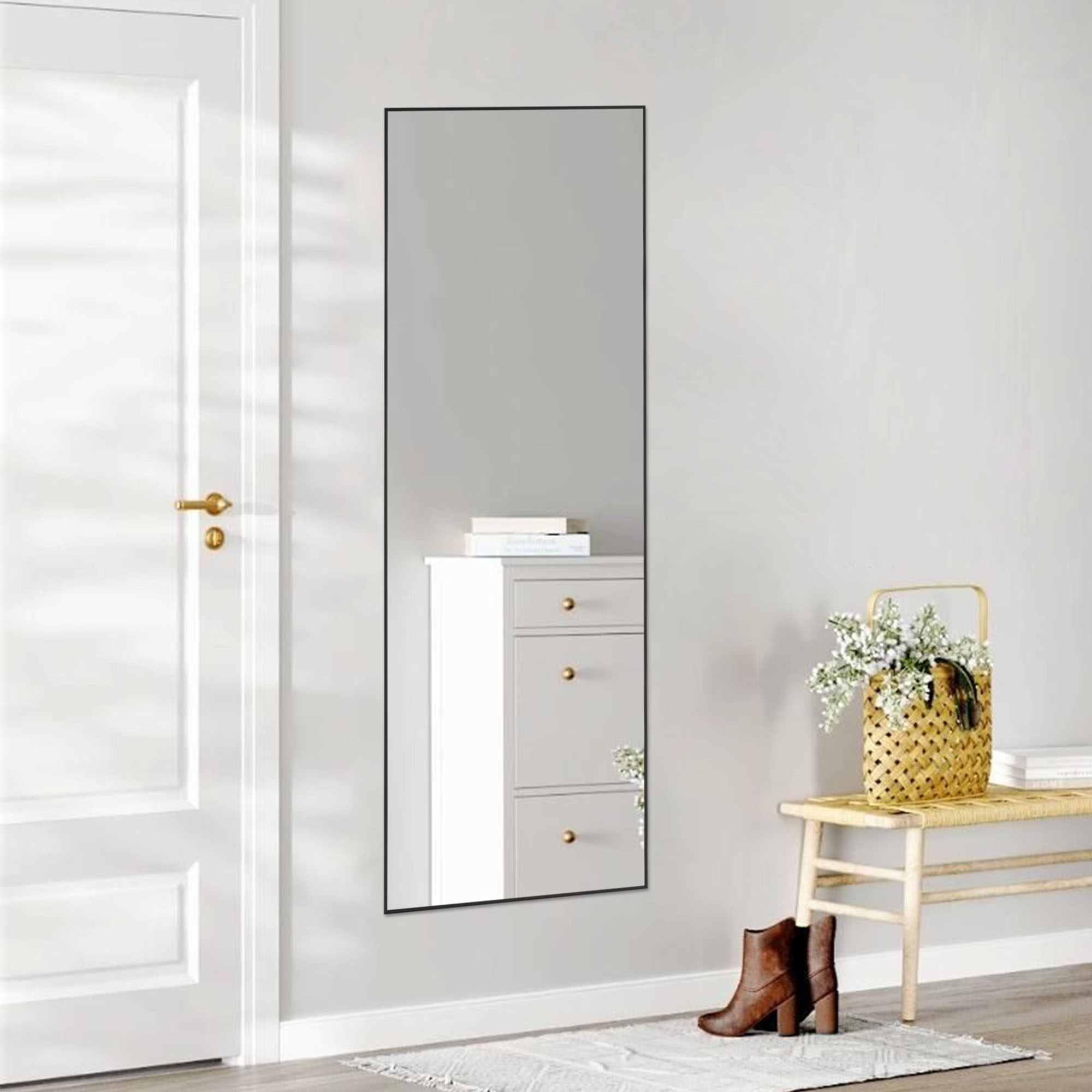 Floor Standing Mirror, Wall With Stand Aluminum Alloy Thin Frame$106.99View on Mallflare
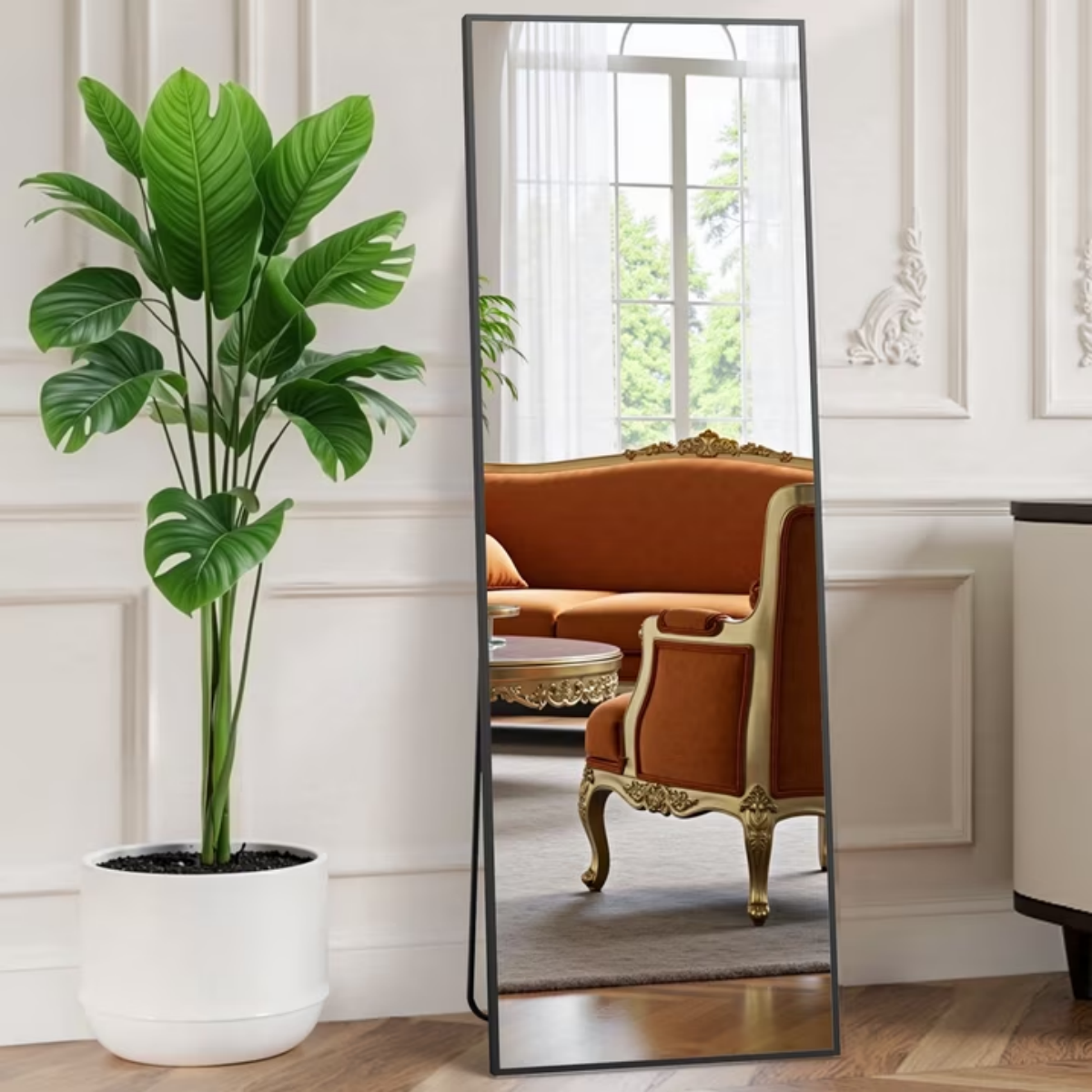 Full Length Mirror 59"x16" Body Rectangle Free Standing Wall Mounted Leaning Hanging Floor Mirrors, Black$89.99View on Mallflare
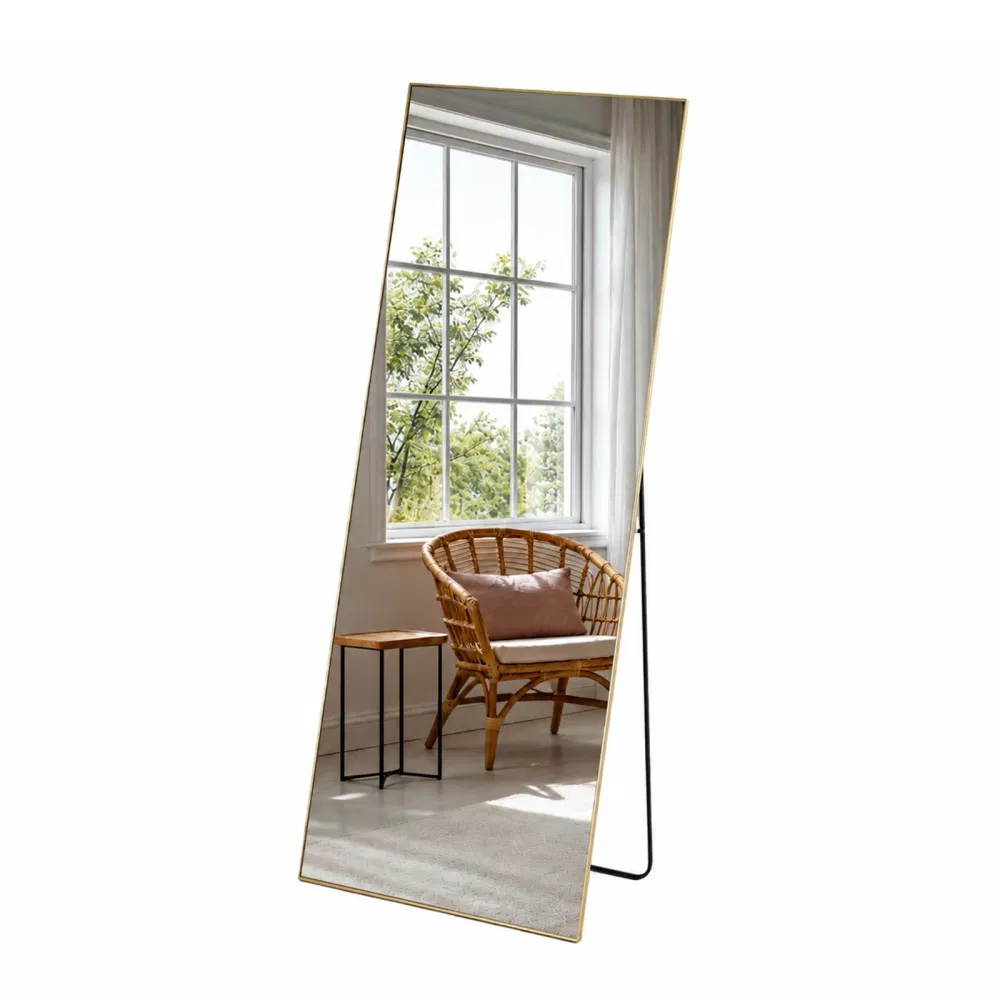 Wall Full Length Mirror, Standing Body with Aluminium Frame, Cloakroom Modern Simple Home Decor, Can Be Hanging, Leaning or$92.99View on Mallflare
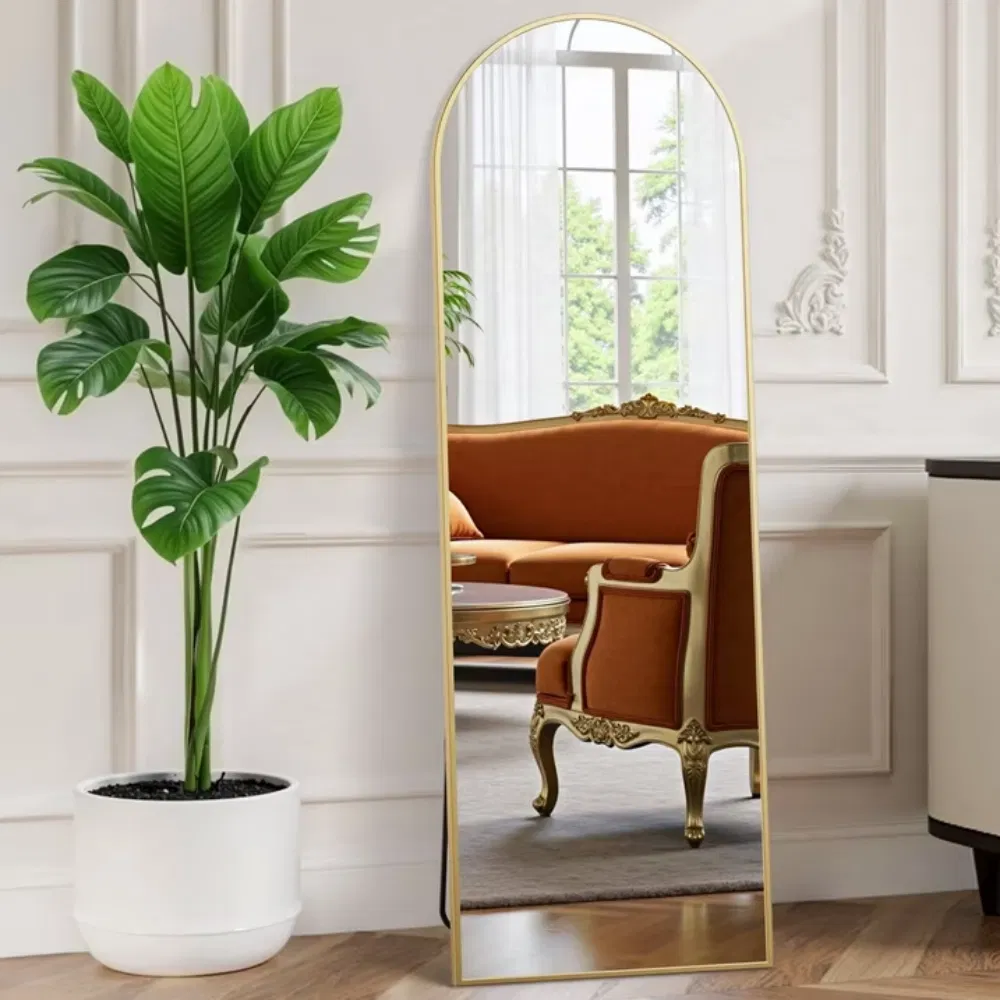 Arched Full Length Mirror 56"x15" Body Rectangle Free Standing Wall Mounted Leaning Hanging Floor Mirrors, Gold$102.99View on Mallflare
Highlights
- Glass type determines safety: tempered glass breaks into blunt pebbles, laminated glass holds shards in place, and annealed glass cracks into sharp shards — only the first two belong in a standing mirror.
- Frame material and wall thickness drive rigidity: 1.2-1.5mm aluminum alloy or 0.8-1.0mm steel resists flexing, while hollow MDF or plastic frames bow under their own weight over time.
- Base design separates stable from tippy: a weighted steel base or wide 12-inch-plus footprint prevents tip-over, while thin A-frame legs or no base rely on wall lean and are unsafe around kids or pets.
- Mounting hardware compatibility matters: a mirror that offers lean, stand, and wall-hang modes needs included wall anchors rated for the mirror's weight — a 59x16-inch glass unit typically weighs 20-30 lbs.
Best use cases
- Best fit for renters or dorm rooms: pick a freestanding model with a built-in stand and no wall drilling — skip wall-mount-only designs that require anchors and landlord approval.
- Best fit for bedrooms and dressing areas: choose a 59x16-inch or larger full-length rectangle with a weighted base and tempered glass — skip thin 12x48-inch decorative mirrors that only show partial body views.
- Best fit for entryways and high-traffic halls: select a leaning or wall-mounted arched mirror with laminated safety glass and a 1.5-inch aluminum frame — skip frameless or MDF-backed units that chip at floor level.
- Wrong fit for bathrooms or humid rooms: standard standing mirrors use paper-backed or silvered glass that degrades in steam — choose a sealed-back or bathroom-rated mirror instead.
Buying tips
- Size rule for full-body viewing: the mirror must be at least half your height and at least 16 inches wide to show a full head-to-toe reflection at a 3-4 foot distance — a 59x16-inch panel covers most adults.
- Glass grade rule: specify tempered or laminated safety glass; 3mm annealed glass is common on budget mirrors but is not impact-safe and should be avoided near doors or kids.
- Frame thickness rule: choose 1.2mm or thicker aluminum alloy or 0.8mm or thicker steel; thinner profiles under 1mm flex and can distort the reflection over time.
- Mounting rule: confirm the mirror ships with wall anchors rated for at least 1.5x the mirror weight, and that the stand or base is included — leaning-only models still need a safety strap.
Specs
| Glass Type | Tempered vs Laminated vs Annealed |
|---|---|
| Frame Material | Aluminum alloy / Steel / MDF |
| Mounting Mode | Freestanding / Leaning / Wall-hang |
| Full-Length Size | 59x16 in and up (full body) |
Related searches
What to check before buying
- Measure the wall or floor footprint: a 59x16-inch leaning mirror needs at least 20 inches of clearance from the wall at the base to avoid tipping, and 60 inches of vertical wall space.
- Check floor type and climate: weighted bases are safe on carpet and wood, but on thick pile carpet a leaning strap or wall anchor is required to prevent slide.
- Verify door and ceiling clearance: a freestanding mirror with a stand adds 2-4 inches of depth — confirm it clears closet doors and does not block a doorway swing.
- Confirm wall construction before hanging: drywall needs toggle bolts or heavy-duty anchors for a 25-lb mirror, while plaster or tile walls require a stud or masonry anchor.
FAQ
Data sources: eBay / Amazon listings and product attribute feeds. Updated Nov 22, 2026.
Some links on this page are affiliate links. If you buy after clicking one, we may earn a commission at no extra cost to you. This does not change which products appear here or their order. Affiliate disclosure.