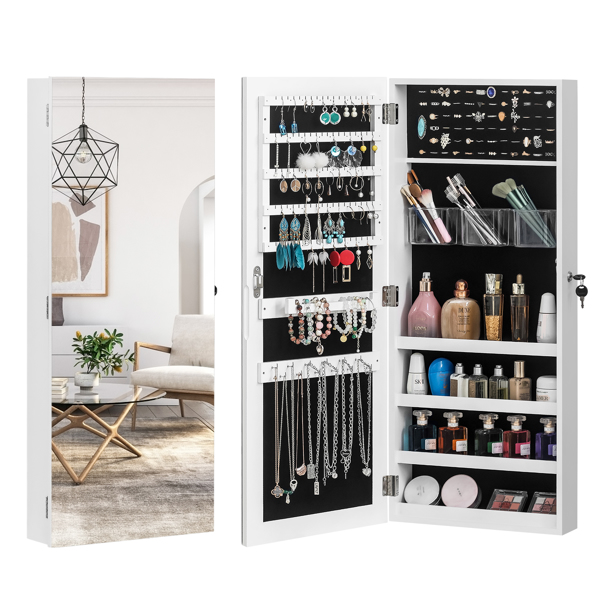

Photos from current listings. Actual item, color, and included accessories may vary.
Mirror With Storage Buying Guide
A mirror with storage combines a reflective surface with shelving, hooks, or cabinetry, trading wall depth and hanging complexity for space-saving utility. The key trade-off is between glass quality (thickness and backing) and storage construction (wood or MDF, hardware grade), which determines durability under daily load. Choose a solid-wood or plywood frame with 5mm+ glass and rated hardware for long-term use; skip particleboard frames with thin 3mm glass and plastic hooks if you need load-bearing storage.
At a glance
- Category
- Mirrors, Wall Decor & Decorative Accessories
- Last updated
- Nov 22, 2026
Current offers
Highlights
- Glass thickness of 5-6mm with safety backing resists breakage and distortion; 3mm glass is common in low-tier units and prone to flex and edge chips.
- Solid wood or plywood frames hold screws and hinges under load; particleboard or MDF frames strip at hinge and hook points after repeated use.
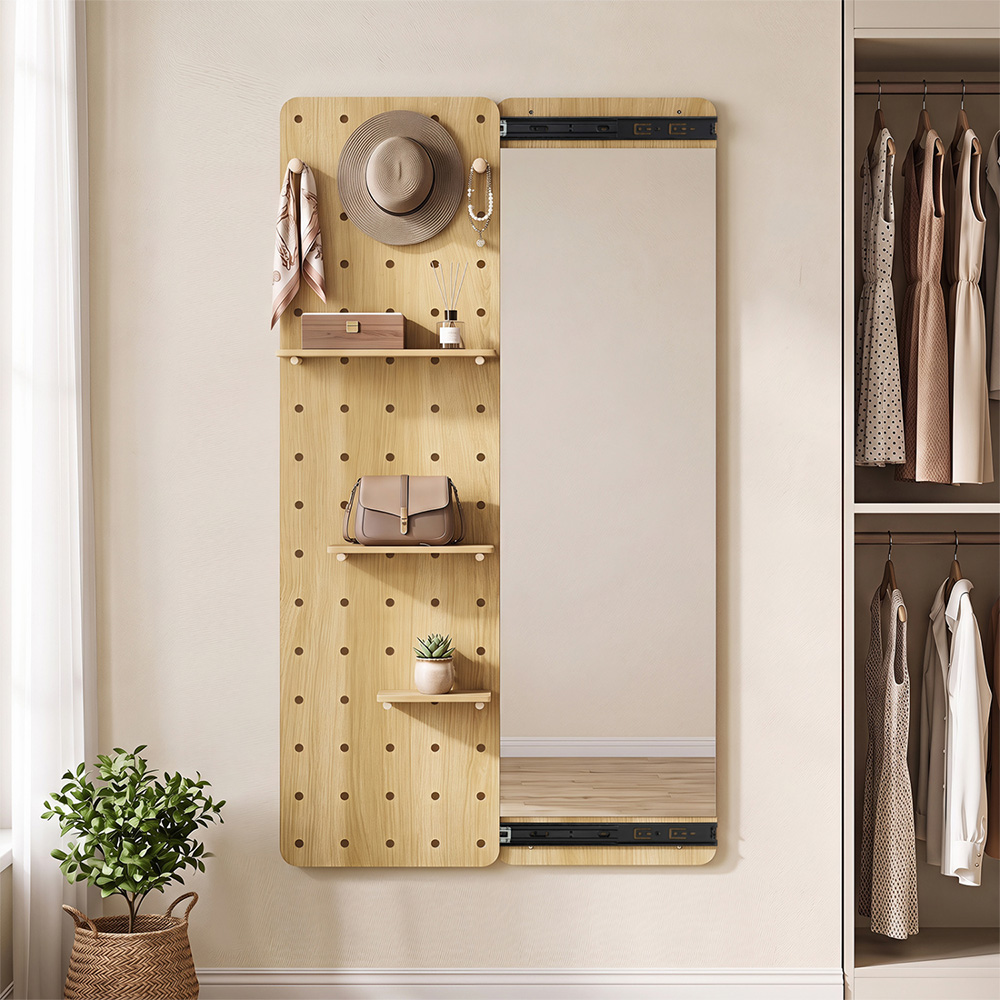
- Sliding mirror mechanisms require top and bottom tracks rated for the door weight; cheap plastic rollers wear flat and derail within months.
- Storage capacity is defined by shelf load rating and hook type—metal double hooks and 15kg+ shelf ratings suit coats and bags; plastic hooks and 5kg shelves suit light accessories only.
Best use cases
- Entryway or hallway: pick a full-length sliding mirror with a perforated panel, metal hooks, and a shoe rack; skip fold-out box mirrors with plastic hinges that cannot handle daily coat and bag loads.
- Bedroom dressing area: choose a full-length mirror with 3-4 built-in boxes and a wooden frame for jewelry and accessories; skip wall-hanging units with only adhesive strips if you need drawer-style storage.
- Small rental bathroom: select a slim mirrored cabinet with 2 shelves and concealed hinges; skip large sliding units that need 10cm+ side clearance and wall studs for track mounting.
Buying tips
- Measure your wall space and add 5-10cm clearance on each side for sliding tracks; full-length sliding mirrors typically need 60-80cm width and 170-200cm height.
- Check shelf and hook load ratings: metal hooks rated 10kg+ and shelves rated 15kg+ handle coats and bags; plastic hooks and 5kg shelves are for light items only.
- Confirm glass type: 5mm+ tempered or laminated glass with safety backing is required for full-length mirrors; 3mm annealed glass is fragile and not child-safe.
- Match frame material to humidity: solid wood or sealed plywood for bathrooms and entryways; MDF swells and delaminates in damp rooms even when painted.
Specs
| Glass Thickness | 5-6mm tempered / 3mm annealed |
|---|---|
| Frame Material | Solid wood / plywood vs MDF |
| Storage Type | Sliding track / fold-out / wall-hung |
| Mounting | Stud / toggle bolt / adhesive |
Related searches
What to check before buying
- Wall type and stud spacing: sliding mirror tracks and heavy cabinets need at least two studs or masonry anchors; drywall alone requires toggle bolts rated for the total loaded weight.
- Floor clearance and door swing: full-length sliding mirrors need 5-10cm floor gap and 10cm side clearance; check that adjacent doors and drawers open fully.
- Room humidity and temperature: bathrooms and basements require sealed wood or marine-grade plywood frames and moisture-resistant mirror backing to prevent black edge corrosion.
- Companion hardware: confirm the unit includes wall anchors, track end-stops, and anti-tip straps; sliding doors over 15kg need floor guides to prevent sway.
FAQ
Data sources: eBay / Amazon listings and product attribute feeds. Updated Nov 22, 2026.
Some links on this page are affiliate links. If you buy after clicking one, we may earn a commission at no extra cost to you. This does not change which products appear here or their order. Affiliate disclosure.