
Photos from current listings. Actual item, color, and included accessories may vary.
Glass Vase Buying Guide
Glass vases range from hand-blown statement vessels to machine-pressed utility pieces, and the decisive trade-off is glass type and wall thickness versus visual clarity and fragility. Choose hand-blown or pressed lead-free crystal for durability and brilliance; avoid thin soda-lime decorative glass if the vase must survive handling or hold heavy stems.
Glass Type:Hand-blown / Pressed / CrystalWall Thickness:3–6 mm (decor) / 6 mm+ (durable)Neck Opening:Narrow 1.5–2.5 in / Wide 4–6 inHeight Range:6–20 in (shelf to floor)
Typical price range$24.99 – $111.99
At a glance
- Category
- Mirrors, Wall Decor & Decorative Accessories
- Last updated
- Nov 22, 2026
Current offers
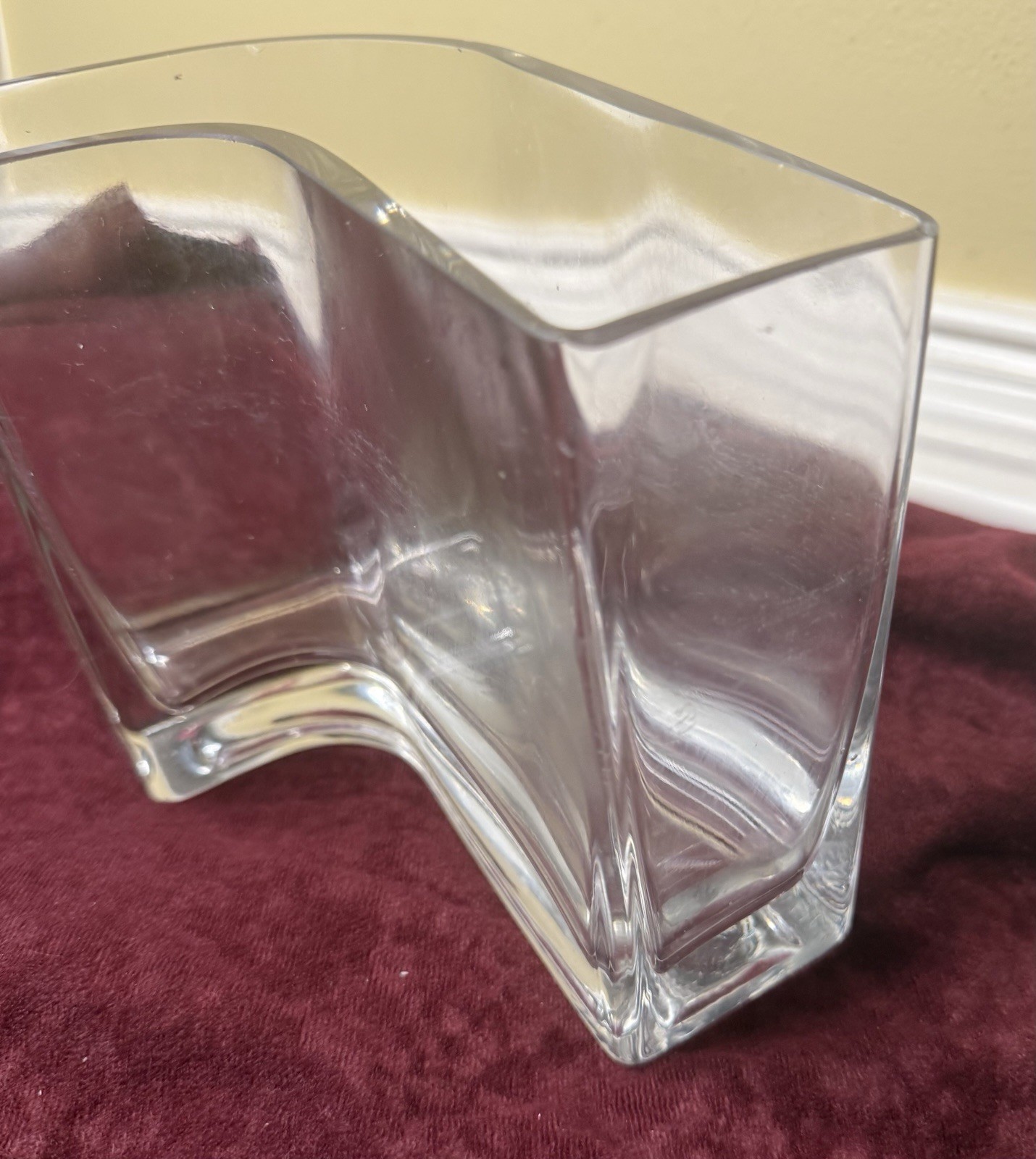 Architectural Glass Vase$85.00View on eBay
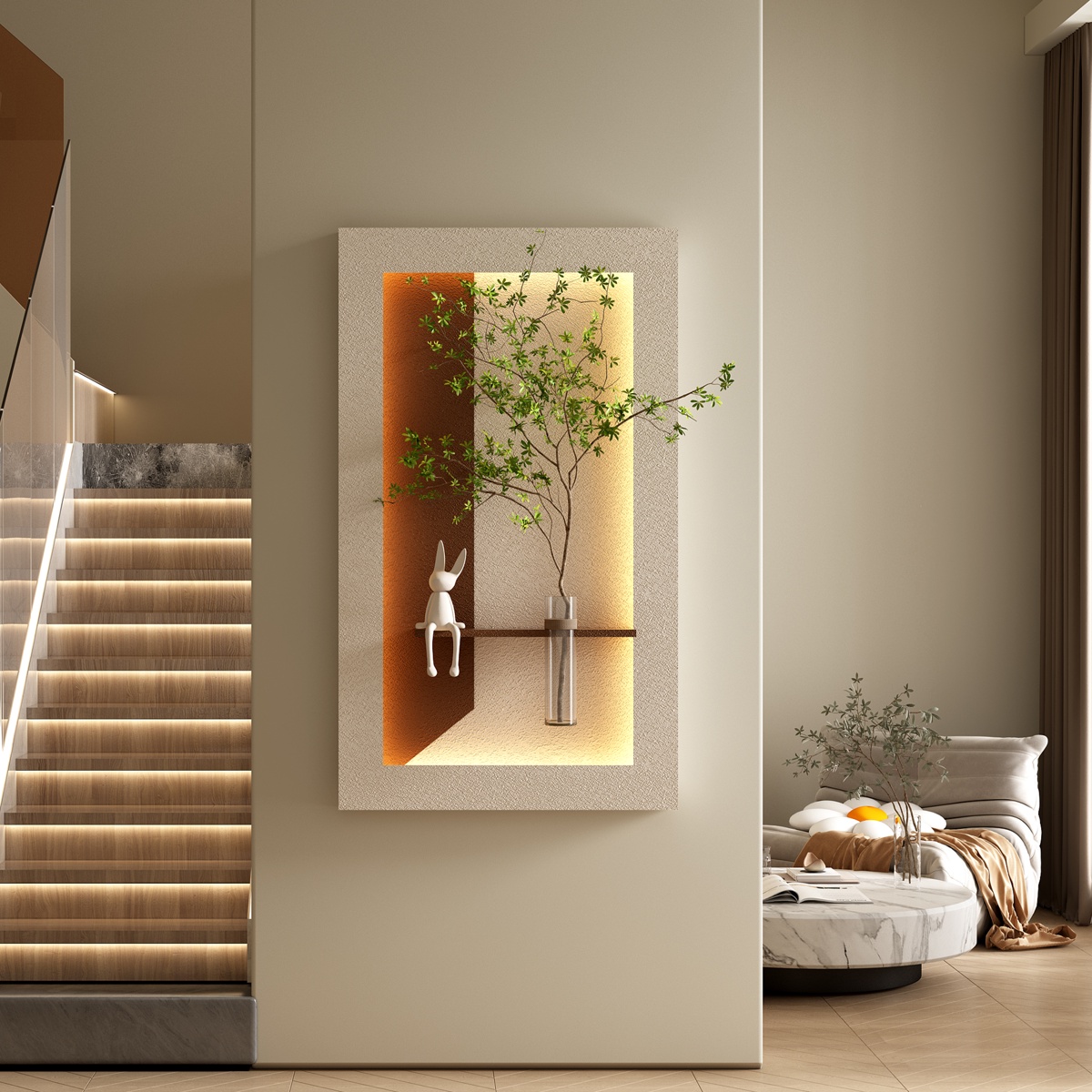 Adjustable 3-Color LED Sandstone Wall Decor With Simulated Green Plants - 3D Art Sculpture Glass Vase & Rabbit Statue Remote Control Light Strips For Living Room Bedroom Hallway$111.99View on Mallflare
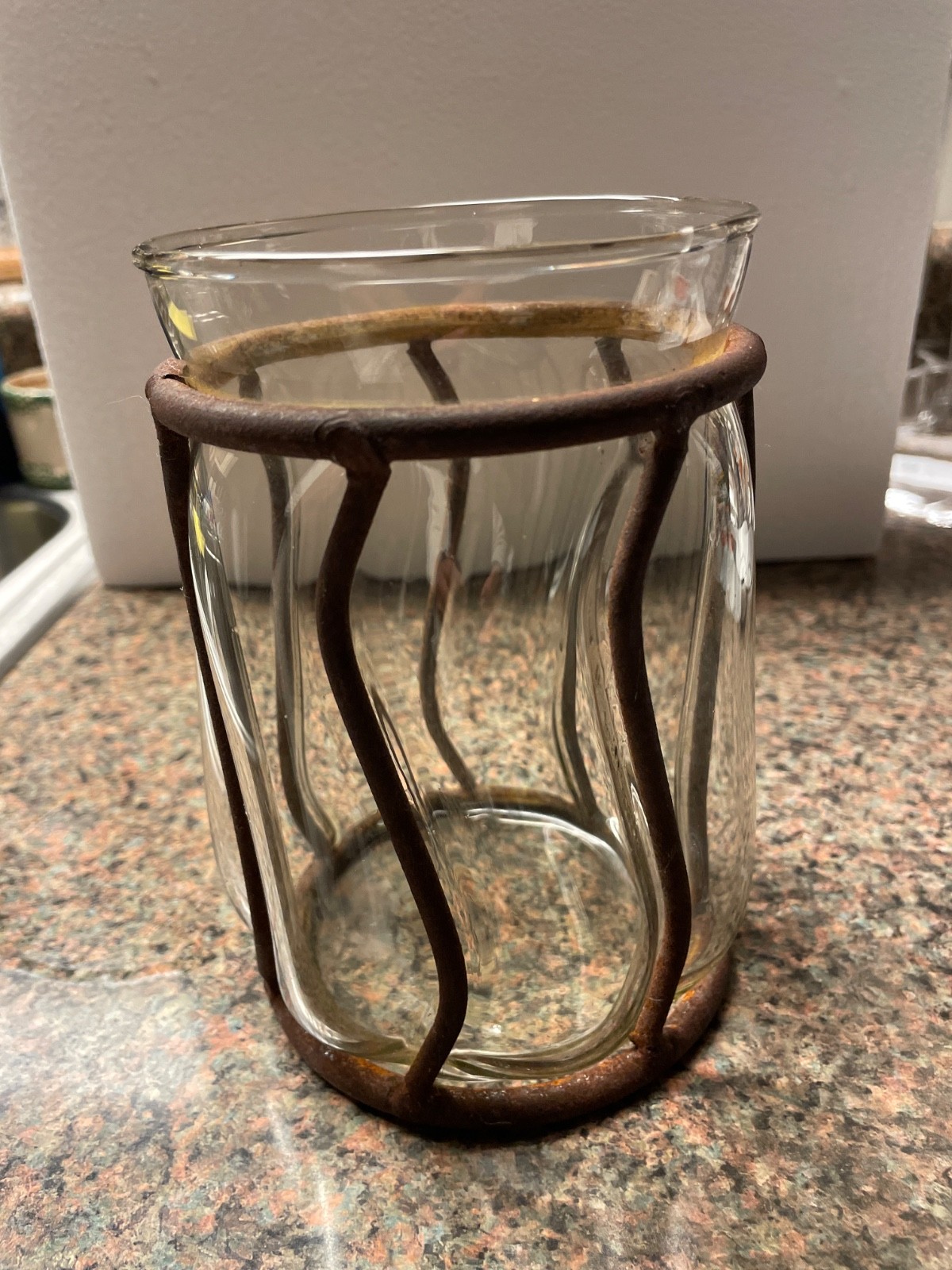 Hand blown glass vase in wrought iron cage$110.00View on eBay
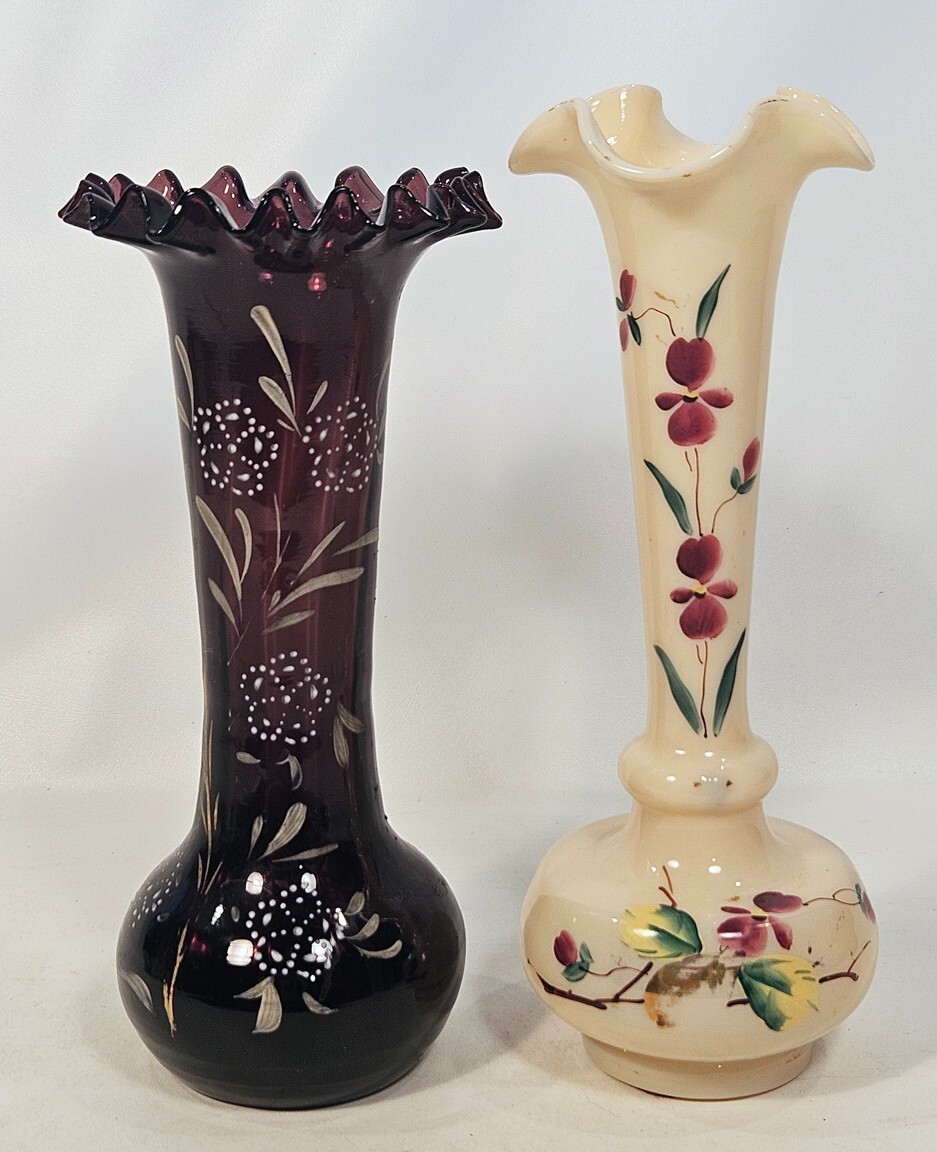 Bristol Glass Hand Painted Vases Pair Purple and Cream Fluted Lips$24.99View on eBay
Highlights
- Hand-blown glass is annealed slowly for stress relief and thicker walls; machine-pressed glass is cheaper but thinner and more prone to chipping at the rim.
- Lead-free crystal (barium or zinc oxide) delivers higher refractive index and clearer sparkle than standard soda-lime glass, which can appear slightly green in thick sections.
- Vase opening diameter and neck constriction determine stem support: narrow necks (under 2 in) hold single stems upright, while wide mouths above 4 in need a frog or marbles for arrangement control.
- Borosilicate glass resists thermal shock and is suitable for warm water and sunlight; soda-lime decorative glass can crack under abrupt temperature change.
Best use cases
- Best fit: a large floor or console vase (12–20 in tall) in hand-blown clear glass for fresh tall branches — pick a heavy 5–8 lb base for stability; skip thin pressed-glass decor above 15 in.
- Best fit: mid-century modern shelf styling with a narrow-neck fluted or caged vase for dried stems — choose a 6–10 in height with a weighted wrought-iron or ceramic base; skip wide-mouth bowls for single-stem displays.
- Best fit: hand-painted or colored glass as a standalone accent on a sideboard — confirm the paint is fired/enameled, not surface-applied; skip painted vases for everyday fresh-water use unless the interior is sealed.
- Wrong fit: using a decorative glass vase as a terrarium or for outdoor exposure — choose borosilicate or sealed glass instead; standard soda-lime decor glass clouds and etches with hard water and UV.
Buying tips
- Size by stem length: vase height should be roughly one-third to one-half of total arrangement height; a 12 in vase suits 24–36 in stems, a 6 in vase suits 12–18 in stems.
- Check glass thickness at the rim and base: 4–6 mm walls and a solid 10–15 mm base indicate durable hand-blown or quality pressed construction; under 3 mm is display-only.
- Match opening to use: necks of 1.5–2.5 in hold stems upright; mouths of 4–6 in require a flower frog, grid tape, or marbles to keep stems in place.
- For colored or painted glass, verify the color is in the glass batch or kiln-fired enamel; cold-applied paint flakes with washing and is not water-safe.
Specs
| Glass Type | Hand-blown / Pressed / Crystal |
|---|---|
| Wall Thickness | 3–6 mm (decor) / 6 mm+ (durable) |
| Neck Opening | Narrow 1.5–2.5 in / Wide 4–6 in |
| Height Range | 6–20 in (shelf to floor) |
Related searches
What to check before buying
- Measure the shelf, console, or table depth and weight capacity: a filled 15 in glass vase can weigh 10–15 lb, so confirm the surface can bear it.
- Confirm the vase footprint diameter fits your surface with at least 1 in clearance on each side to avoid tip-overs near edges.
- Check water-tightness for fresh flowers: hand-blown vases may have slight interior irregularities; test-fill before use on wood surfaces.
- For outdoor or sunlit placement, choose borosilicate or UV-stable glass and avoid dark-colored glass that absorbs heat and stresses the walls.
FAQ
Data sources: eBay / Amazon listings and product attribute feeds. Updated Nov 22, 2026.
Some links on this page are affiliate links. If you buy after clicking one, we may earn a commission at no extra cost to you. This does not change which products appear here or their order. Affiliate disclosure.