
Photos from current listings. Actual item, color, and included accessories may vary.
Floor Mirror With Storage Buying Guide
A floor mirror with storage is a full-length leaning or standing mirror that integrates a shelf, tray, or hidden compartment to hold daily items—and the segment splits sharply between thin aluminum-alloy frame mirrors with a simple base tray and cabinet-style storage mirrors with enclosed compartments. The core trade-off is structural stability under a tall glass panel versus accessible, real storage volume: light tray-based designs suit leaning against a wall, while enclosed cabinets demand a wider footprint and sturdier carcass. Buyers should treat frame alloy thickness and base depth as the durability rule, and match storage type—open tray, jewelry drawer, or full cabinet—to the room geometry before choosing a size tier.
At a glance
- Category
- Mirrors, Wall Decor & Decorative Accessories
- Last updated
- Nov 22, 2026
Current offers
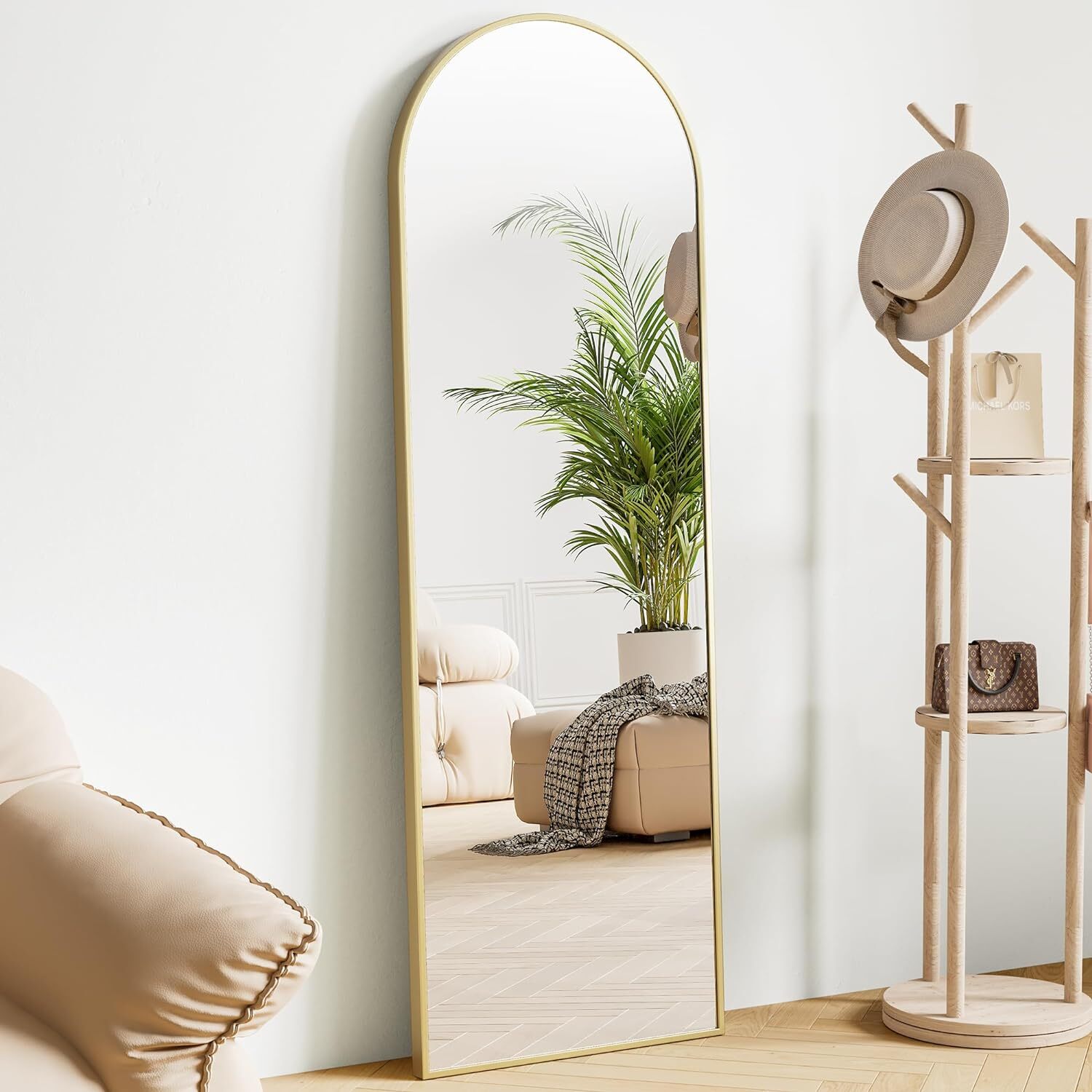 59" Gold Full-length Mirror Floor Mirror Wall Bedroom Mirror Stand Alloy Frame$47.59View on eBay
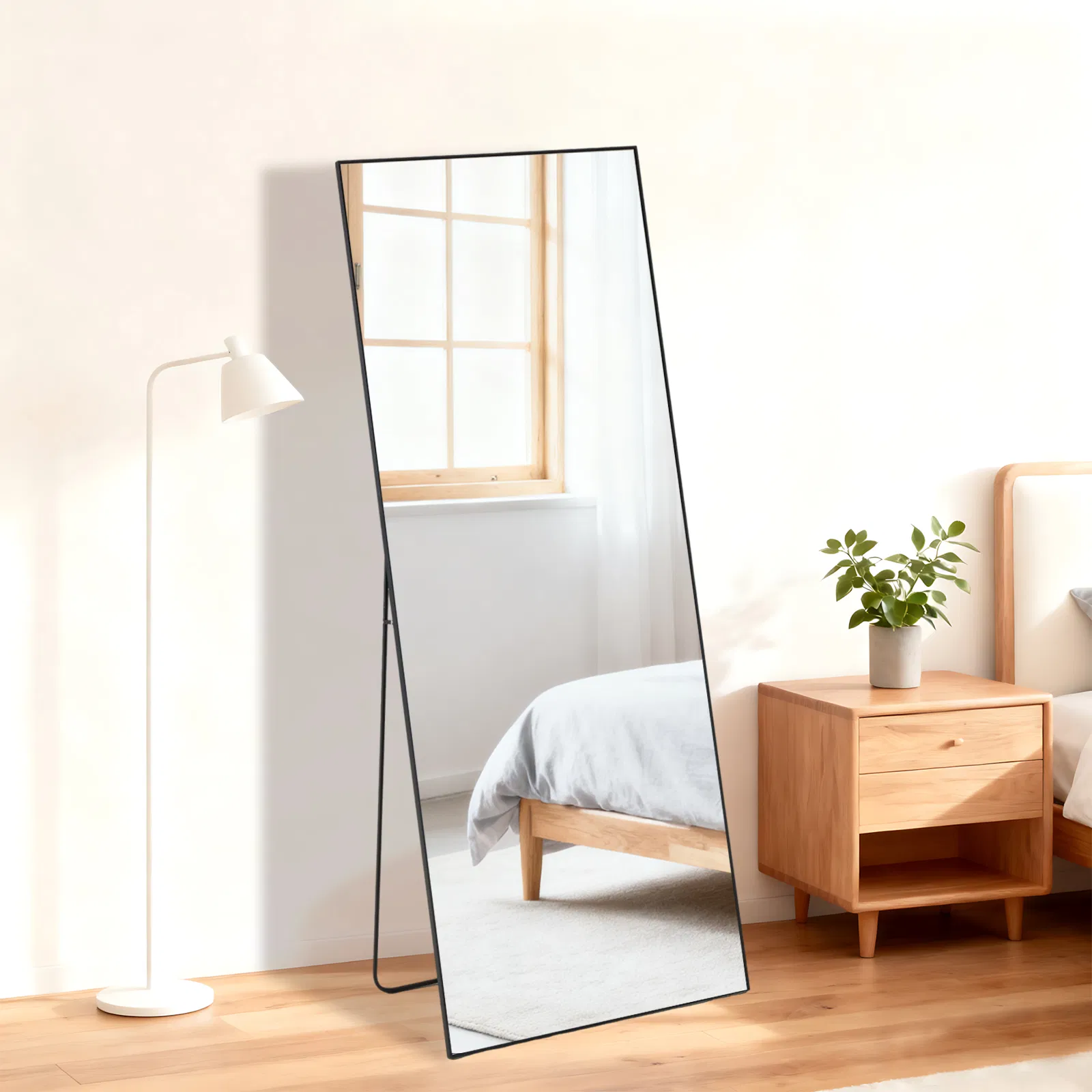 58"x19" Full Length Mirror with Stand Floor Aluminum Alloy Frame Body Wall-Mounted Mirrors For Bedroom Bathroom$57.99View on Mallflare
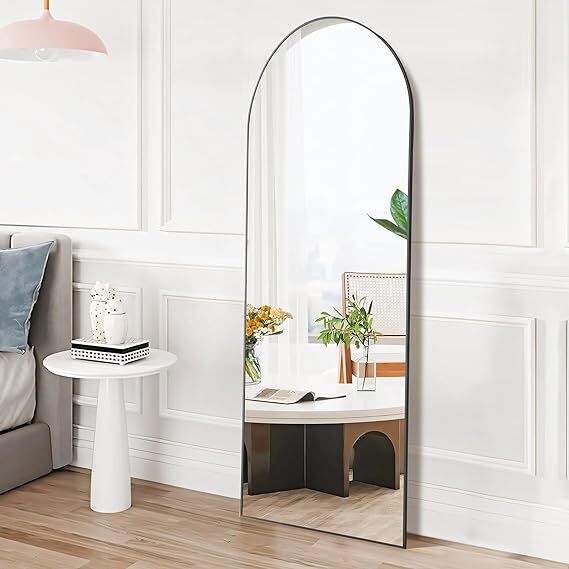 59" Full-length Mirror Floor Mirror Large Wall Bedroom Mirror Stand Alloy Frame$48.95View on eBay
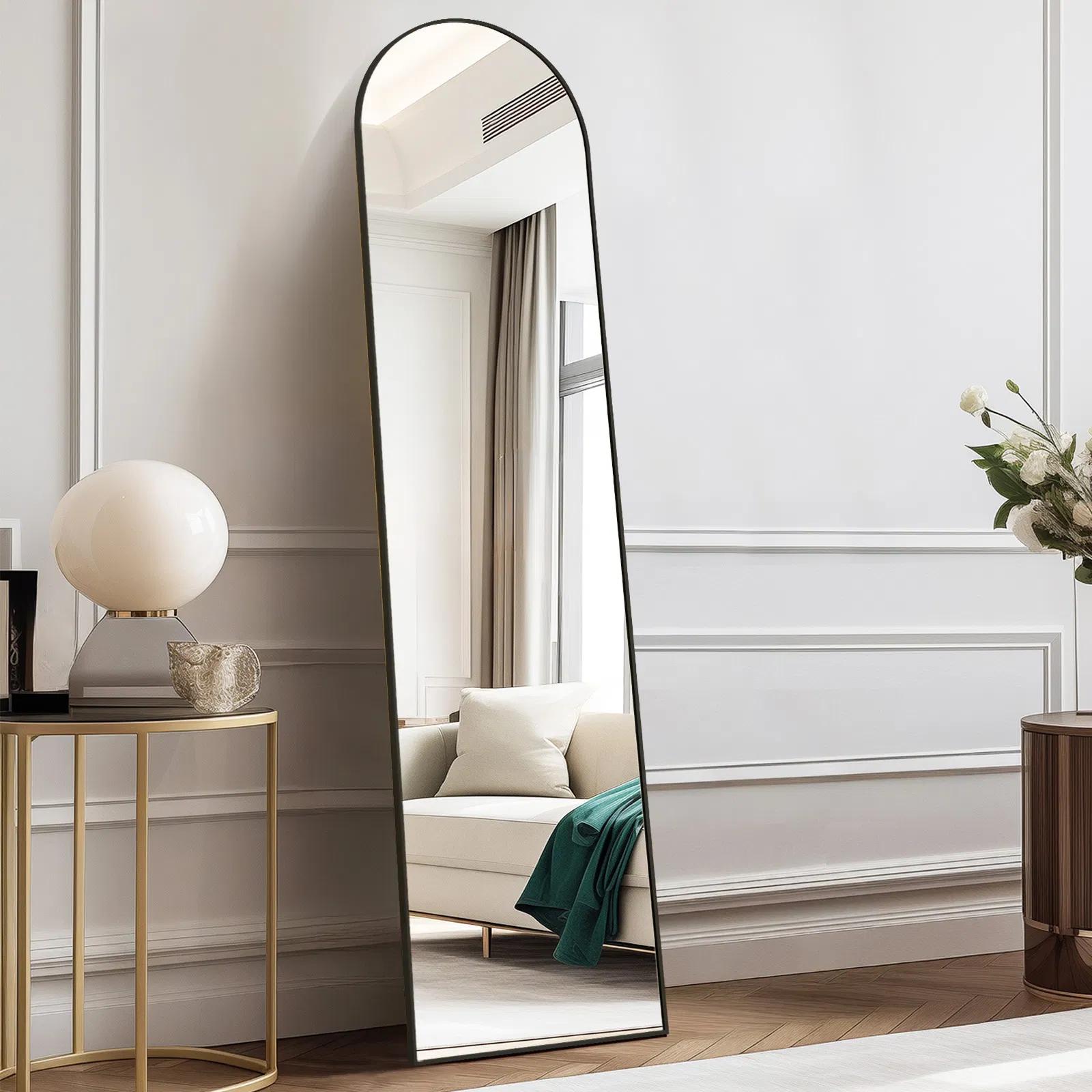 59X16" Full Length Mirror with Stand Floor Aluminum Alloy Frame Body Wall-Mounted Mirrors For Bedroom Bathroom$63.99View on Mallflare
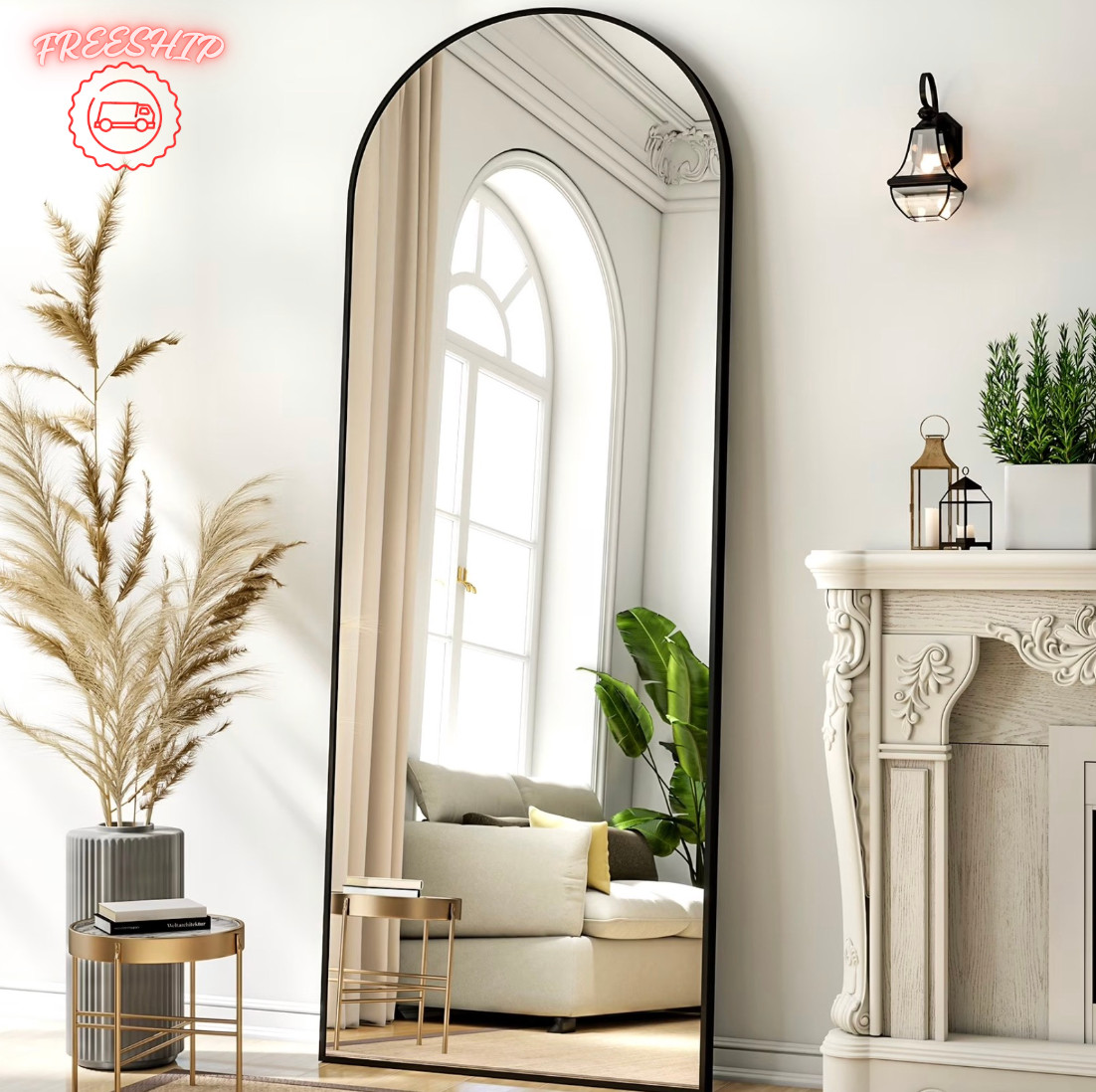 Arched Full Length Mirror Wall-Mounted Floor Mirror with Stand$84.99View on eBay
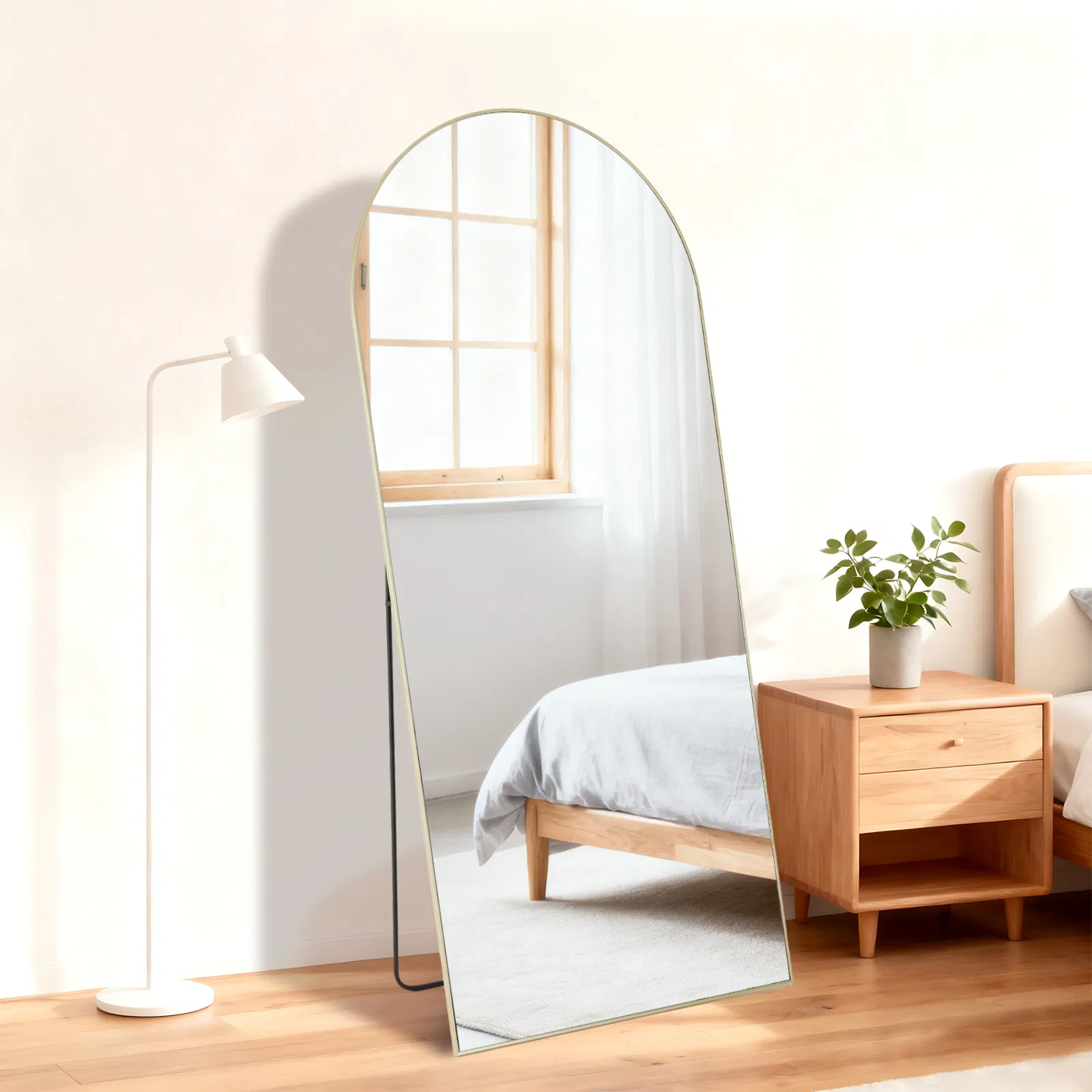 65"x24" Floor Mirror with Aluminum Alloy Frame Full Length Stand Body Wall-Mounted Mirrors For Bedroom Bathroom$74.99View on Mallflare
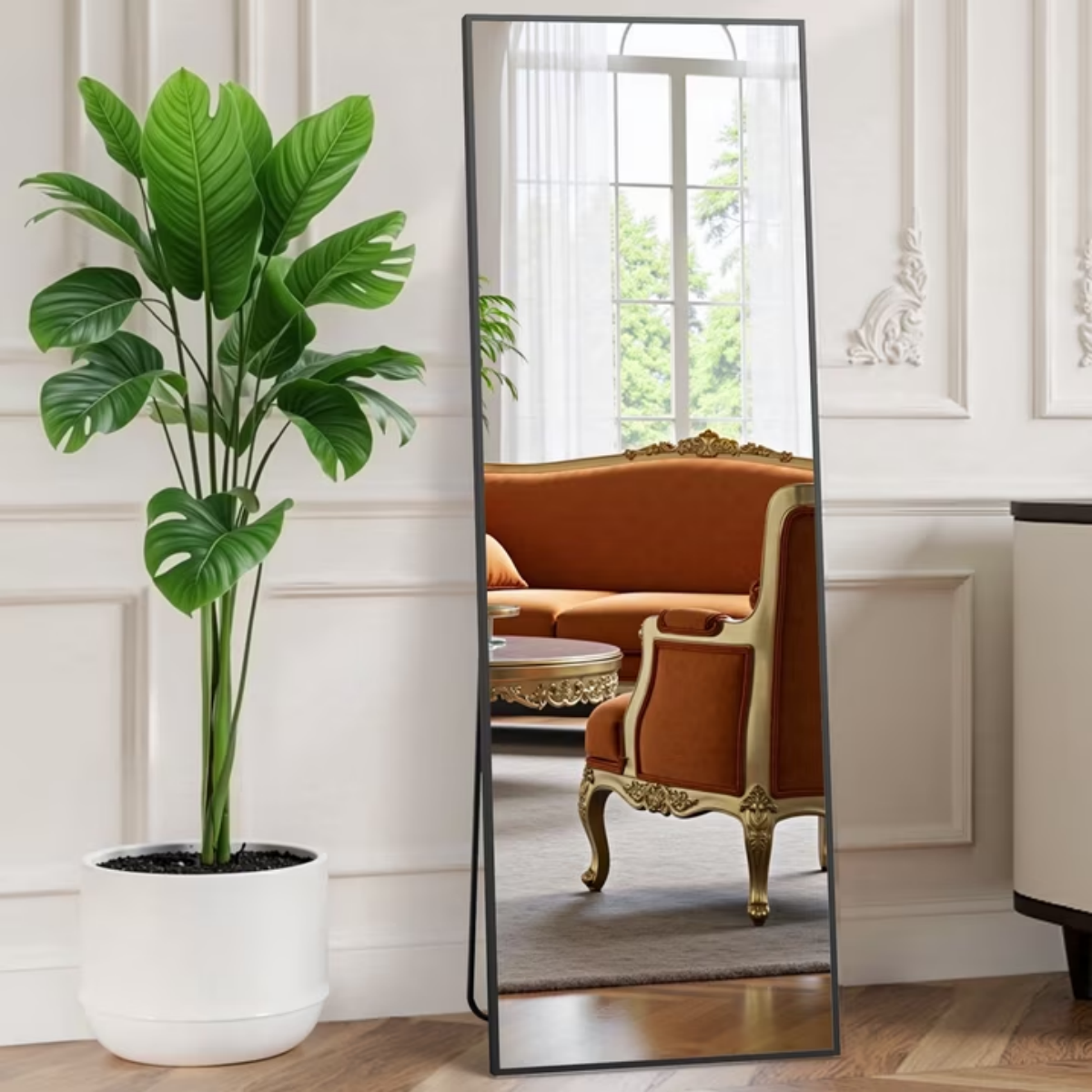 Full Length Mirror 59"x16" Body Rectangle Free Standing Wall Mounted Leaning Hanging Floor Mirrors, Black$89.99View on Mallflare
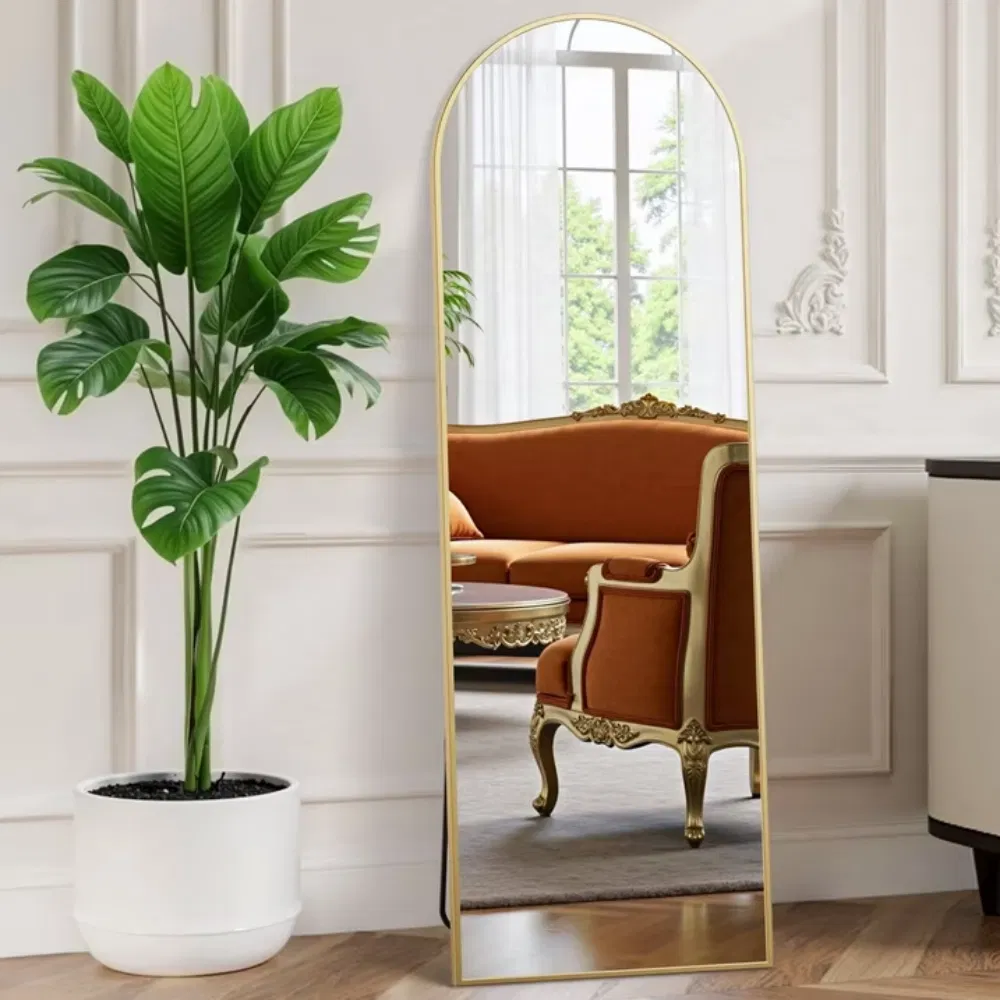 Arched Full Length Mirror 56"x15" Body Rectangle Free Standing Wall Mounted Leaning Hanging Floor Mirrors, Gold$102.99View on Mallflare
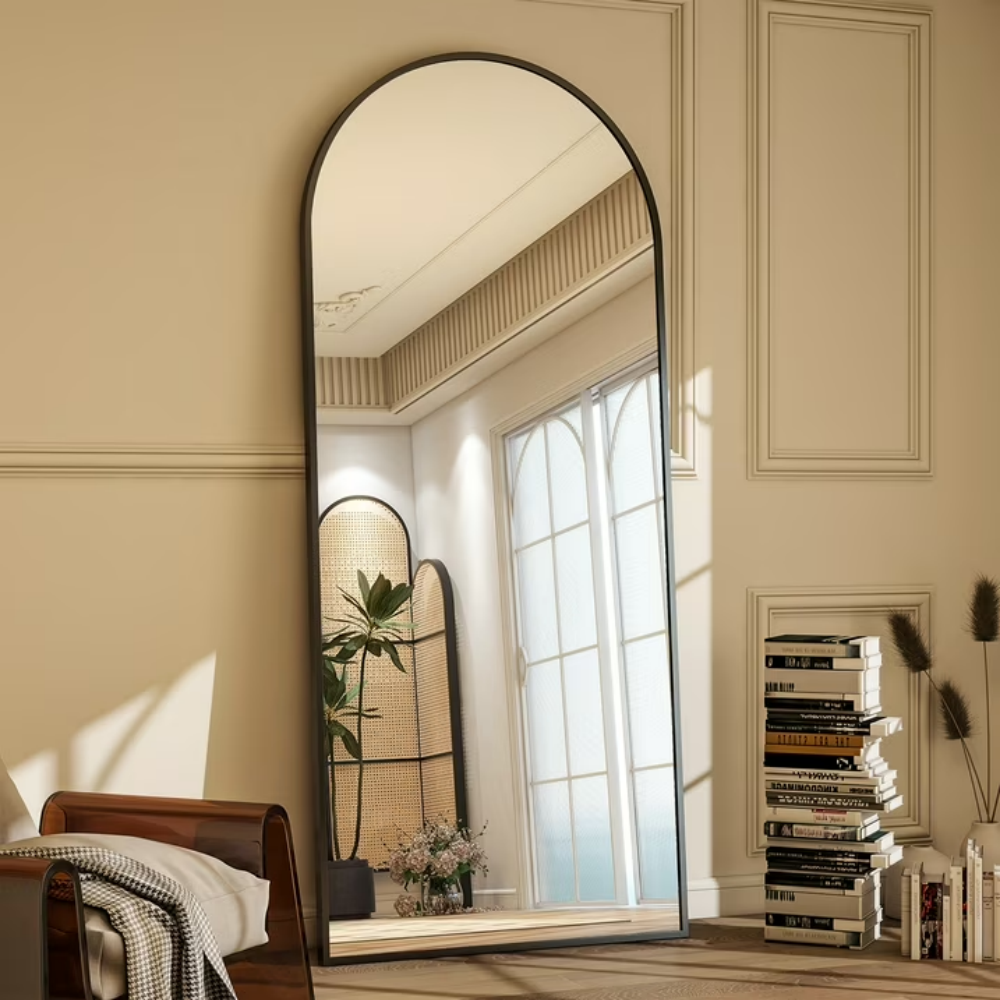 58"x19" Arched Full Length Mirror with Aluminum Alloy Frame Freestanding Floor Dressing Black$106.99View on Mallflare
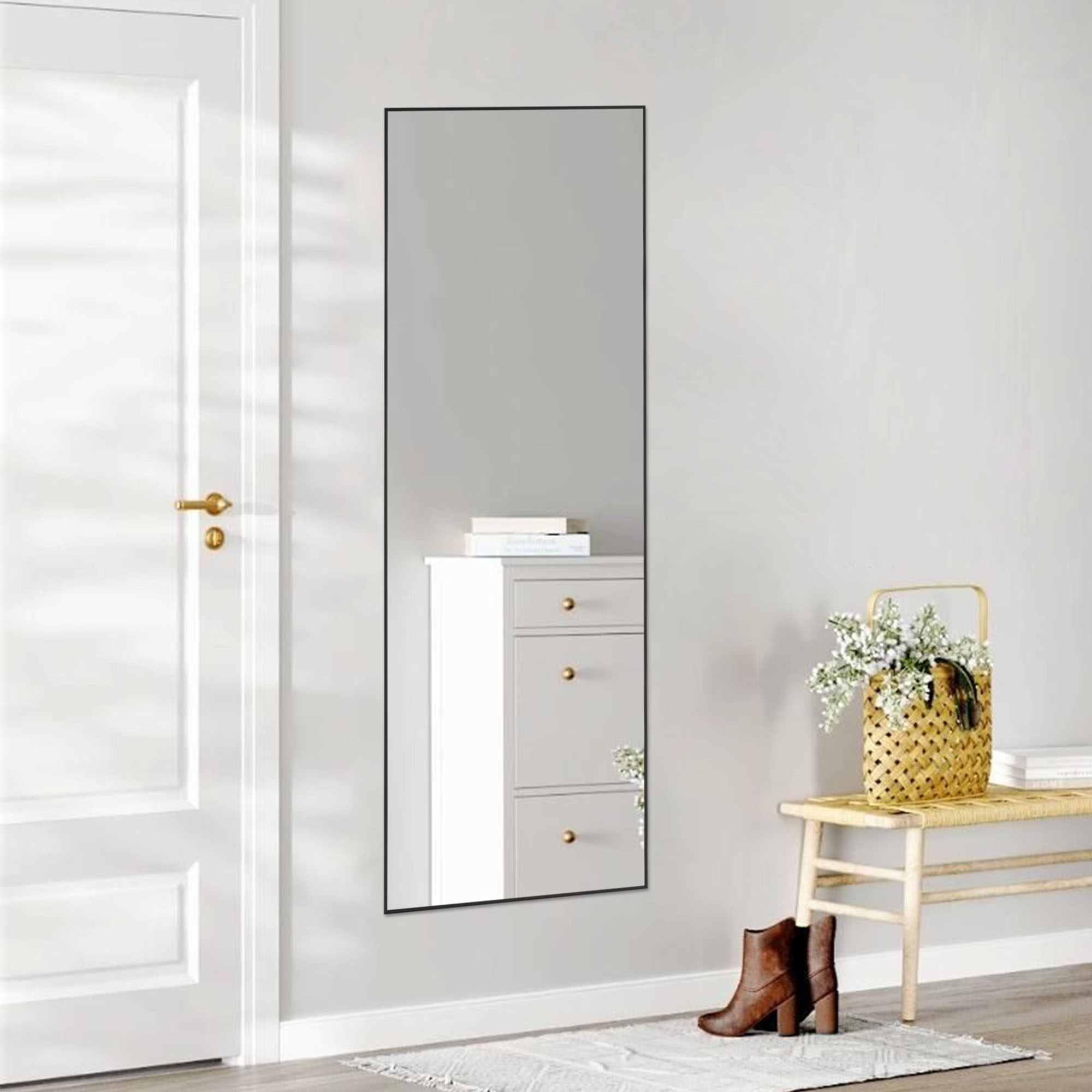 Floor Standing Mirror, Wall With Stand Aluminum Alloy Thin Frame$106.99View on Mallflare
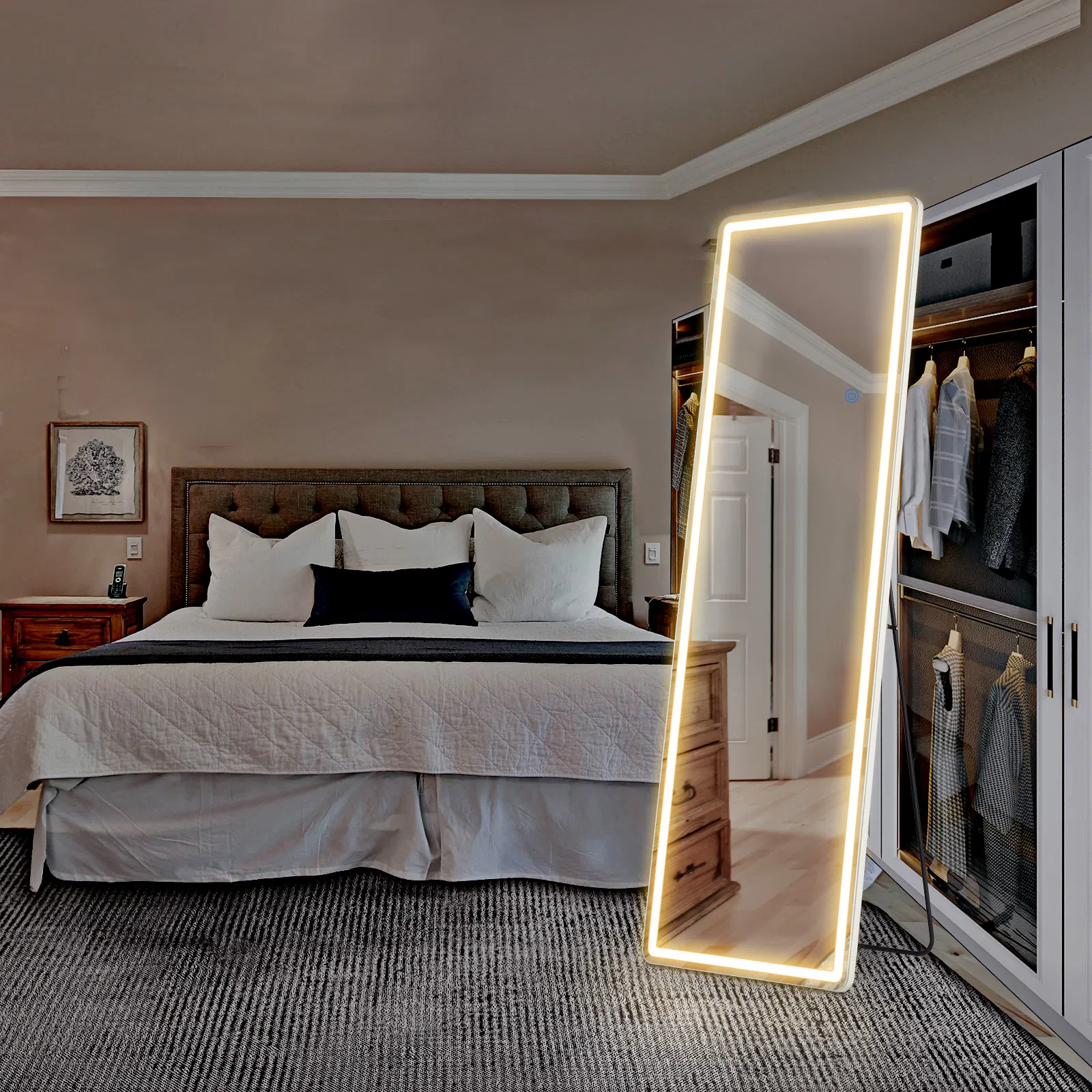 3 Color Lighting Mirror with LED Lights, 64"x21" Lighted Floor Standing Stand, Wall Mounted Hanging$117.99View on Mallflare
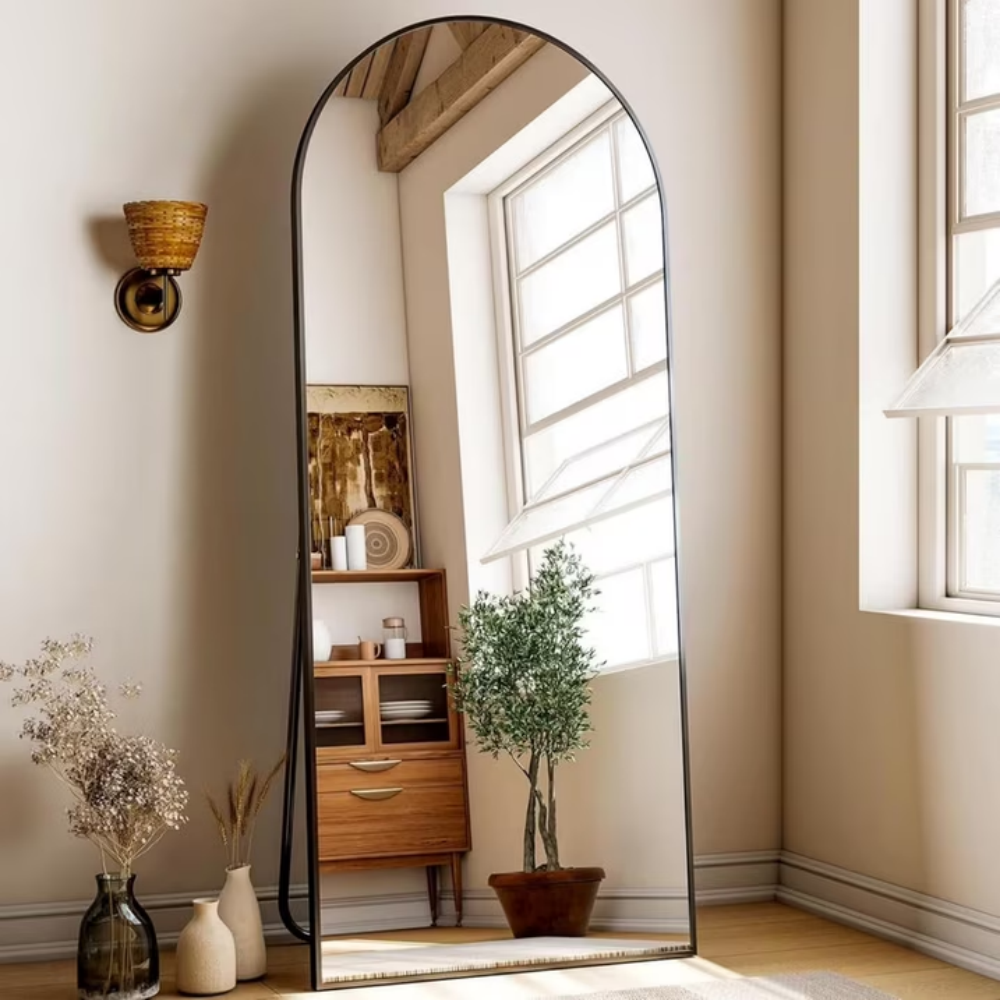 71"x26" Arched Full Length Mirror Freestading Body Floor Black$153.99View on Mallflare
Highlights
- Aluminum-alloy frames dominate the segment; wall thickness of 1.0–1.5 mm resists flex, while thinner 0.6–0.8 mm frames dent and bow on 59-inch-plus panels.
- Full-length glass is typically 3–4 mm mirror with a safety backing film; unlaminated glass over 55 inches is a breakage risk during leaning and moving.
- Height tiers cluster at roughly 56–59 inches (standard full-length) and 65 inches (tall/oversized); widths run 15–24 inches, so a 65x24 panel needs a proportionally deeper base for tip resistance.
- Storage varies by type: open base tray or shelf (1–2 inches deep), side hooks, and cabinet-style models with enclosed drawers or doors that add 4–8 inches of depth and require wall anchoring.
Best use cases
- Best fit: bedroom dressing corner with 60 inches of wall and a leaning installation—pick a 59x16 aluminum-frame mirror with a 2-inch base tray; skip cabinet models if floor space is under 20 inches deep.
- Best fit: entryway where keys, mail, and sunglasses need a drop zone—choose a cabinet-style mirror with an enclosed shelf or drawer and anchor it to the wall; skip thin tray-only mirrors that leave items visible and cluttered.
- Best fit: rental or frequently rearranged room—select a freestanding 56–58 inch arched mirror with a detachable stand and wall-mount hardware in the box; skip heavy cabinet mirrors that require drilling and two-person moves.
- Wrong fit: bathroom or high-humidity zones—standard silvered mirror glass and alloy frames corrode at cut edges; skip floor storage mirrors entirely and use sealed wall mirrors rated for damp rooms.
Buying tips
- Size the mirror to the ceiling: a 59-inch panel suits 8-foot ceilings; 65-inch models visually crowd rooms under 8 feet and work best with 9-foot ceilings or vaulted walls.
- Match base depth to height—for every 10 inches of mirror height above 48 inches, the stand or base footprint should be at least 12 inches deep to resist tipping when the door or drawer is open.
- Choose 1.2 mm or thicker aluminum-alloy frame walls on any mirror 59 inches or taller; sub-1.0 mm alloy flexes and can crack the glass at the corners under leaning load.
- For cabinet storage, confirm the hinge and drawer-glide rating—steel ball-bearing glides rated for repeated daily use outperform plastic roller slides in a mirror that doubles as furniture.
Specs
| Frame Material | Aluminum alloy vs wood/MDF |
|---|---|
| Height Tier | 56–59 in standard / 65 in tall |
| Storage Type | Open tray/shelf vs cabinet drawer |
| Mounting | Leaning / freestanding / wall-anchored |
Related searches
What to check before buying
- Measure wall length and floor-to-ceiling height in the intended spot; a 59x16 mirror needs at least 20 inches of clear floor depth when leaning at a 5–7 degree angle.
- Check the floor: tile and hardwood need non-slip base pads or a stand with rubber feet; carpet requires a wider base plate to prevent sinking and wobble.
- Confirm wall construction—drywall needs toggle anchors for the anti-tip strap, while masonry needs sleeve anchors; cabinet-style mirrors must be anchored regardless.
- Verify the mirror arrives with stand, wall-mount bracket, and anti-tip hardware; storage cabinet models also need assembly tools and a second person for the glass lift.
FAQ
Data sources: eBay / Amazon listings and product attribute feeds. Updated Nov 22, 2026.
Some links on this page are affiliate links. If you buy after clicking one, we may earn a commission at no extra cost to you. This does not change which products appear here or their order. Affiliate disclosure.