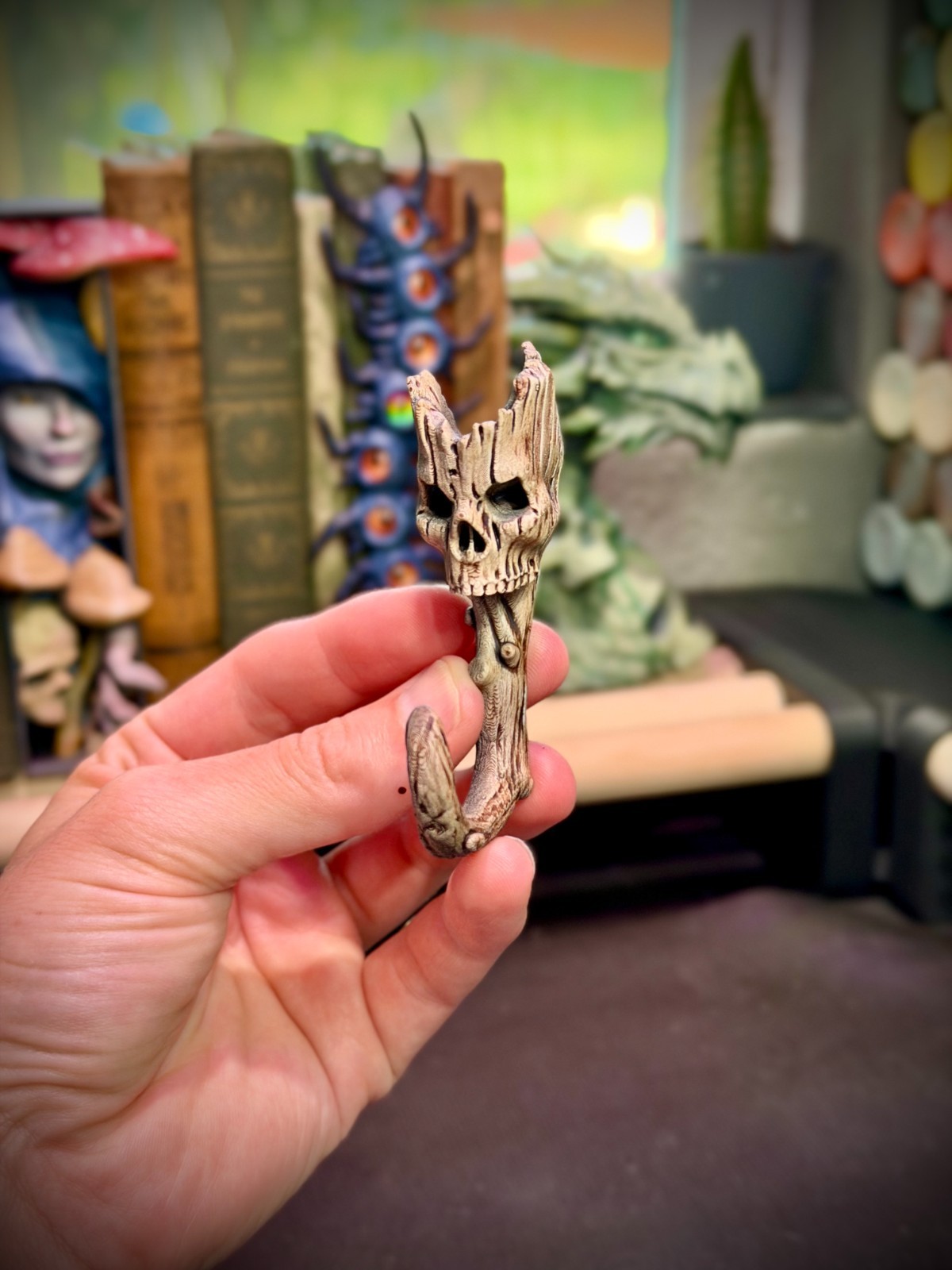

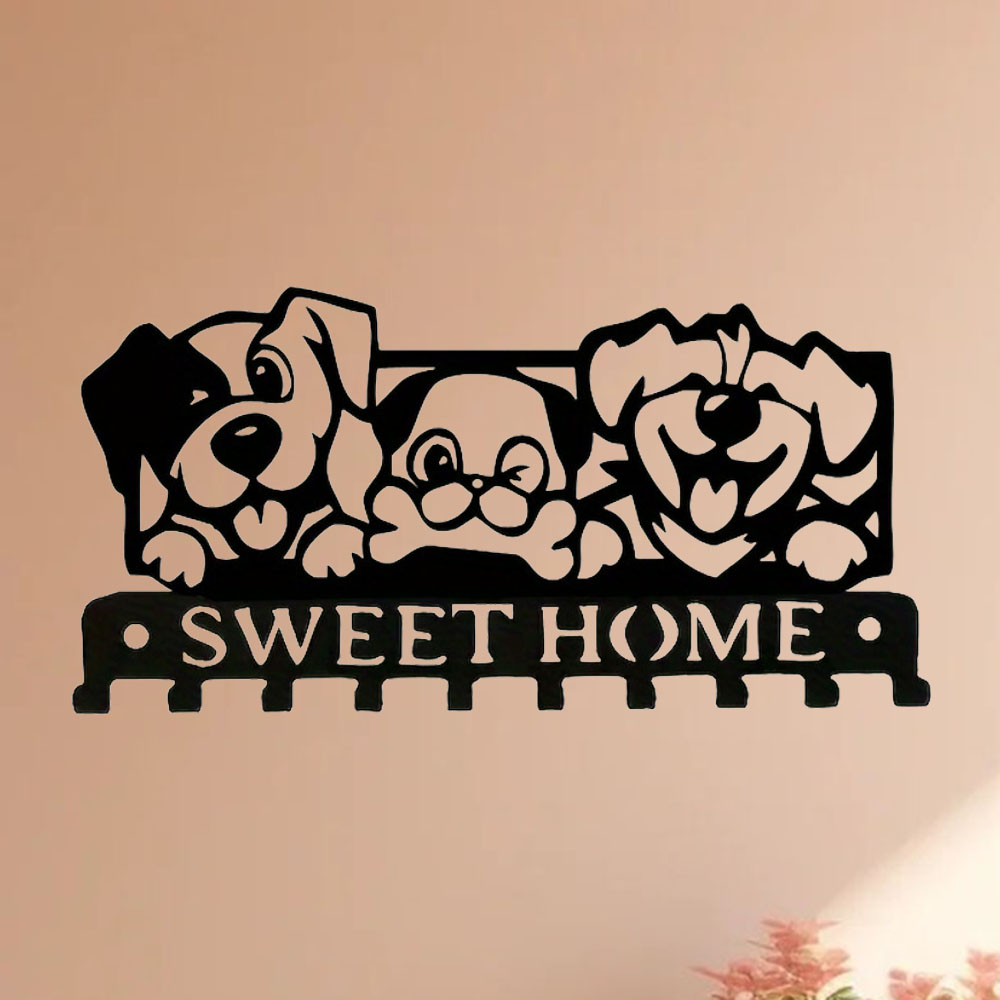
Photos from current listings. Actual item, color, and included accessories may vary.
Decorative Wall Hook Buying Guide
Decorative wall hooks combine load-bearing hardware with visible design, so the real trade-off is finish quality and mounting engineering versus pure ornament. Durable hooks use solid metal or hardwood with a hidden steel backplate and rated fasteners; decorative compromises rely on thin hollow castings, adhesive strips, or single-screw pivots that fail under daily pull. Choose a hook rated for at least twice the intended load with a two-point screw mount, and skip any hook that mounts only by adhesive or one centered screw.
At a glance
- Category
- Mirrors, Wall Decor & Decorative Accessories
- Last updated
- Nov 22, 2026
Current offers
Highlights
- Load rating is set by the backplate and fastener, not the hook shape: two-screw steel backplates hold 20-35 lb in drywall with anchors, while single-screw or adhesive mounts fail near 5-10 lb.
- Metal hooks are zinc alloy, aluminum, or stamped steel; cast zinc resists bathroom humidity but chips at thin edges, while powder-coated steel is tougher for entryways and mudrooms.
- Wood hooks should be solid hardwood (oak, beech, walnut) with a metal threaded insert; softwood or MDF hooks strip their screw threads within months under coat or bag loads.
- Hook depth and clearance matter: a 2-3 inch projection fits coats and bags, while 1 inch or less is only for keys, lanyards, and lightweight decor.
Best use cases
- Entryway or mudroom with coats and bags: pick a two-screw metal backplate rated 25 lb or more per hook, spaced 6-8 inches apart; skip adhesive or single-screw decorative hooks.
- Bathroom or humid space for robes and towels: choose powder-coated steel or sealed cast zinc with stainless screws; skip unfinished wood and bare iron that rust or warp.
- Bedroom or nursery for light decor and hats: wood or ceramic hooks with a single anchored screw are fine up to 10 lb; skip them for backpacks or heavy totes.
- Rental wall where drilling is limited: use a hook with a removable adhesive base rated for the exact load, but only for keys and light accessories under 5 lb; skip for anything hanging daily.
Buying tips
- Match hook count to wall length: allow 6-8 inches between centers for coats and 3-4 inches for keys; a 24-inch rail fits 3-4 coat hooks or 6-8 key hooks.
- Check the fastener pack: drywall anchors and two screws per hook are the minimum for loads over 10 lb; toggle bolts are required for hollow doors and thin paneling.
- For metal hooks, prefer powder-coated or lacquered finishes over painted cast zinc; paint chips expose bare metal that corrodes in bathrooms and kitchens.
- Verify screw head type and included hardware: Phillips or combo heads with matching anchors save a trip; hooks sold without fasteners require you to size anchors to the wall material.
Specs
| Mounting Type | Two-screw backplate vs adhesive |
|---|---|
| Load Rating | 5-35 lb depending on anchor |
| Material Grade | Cast zinc / powder-coated steel / hardwood |
| Projection Depth | 1 in (keys) to 3 in (coats) |
Related searches
What to check before buying
- Measure the mounting zone: mark stud locations or confirm drywall thickness; hooks over 20 lb should hit a stud or use toggle bolts.
- Check clearance behind doors and furniture: a 3-inch projection can block a door swing or snag clothing in tight hallways.
- Confirm wall material and climate: tile and plaster need masonry bits and anchors; bathrooms and covered porches need rust-resistant coated metal or sealed wood.
- Count and size the items to hang: measure the widest coat hanger or bag strap and ensure hook opening and spacing accommodate them without overlap.
FAQ
Data sources: eBay / Amazon listings and product attribute feeds. Updated Nov 22, 2026.
Some links on this page are affiliate links. If you buy after clicking one, we may earn a commission at no extra cost to you. This does not change which products appear here or their order. Affiliate disclosure.