
Photos from current listings. Actual item, color, and included accessories may vary.
Wireless LED Light Buying Guide
Wireless LED lights are battery- or USB-rechargeable fixtures that mount without wiring, typically using magnetic bases or adhesive plates for stairs, hallways, closets, and rentals where adding an outlet is impractical. The central trade-off is battery chemistry and capacity versus motion-sensor quality: sealed low-capacity cells with crude PIR sensors dim quickly and false-trigger, while replaceable 18650 cells and adjustable dual-PIR heads deliver years of reliable service. The decision rule is simple—buy lights with a replaceable standard cell and a documented lumen output, and skip any sealed unit that lists only '7 colors' with no mAh, lumen, or sensor-angle spec.
At a glance
- Category
- Lamps & Indoor Lighting
- Last updated
- Nov 22, 2026
Current offers
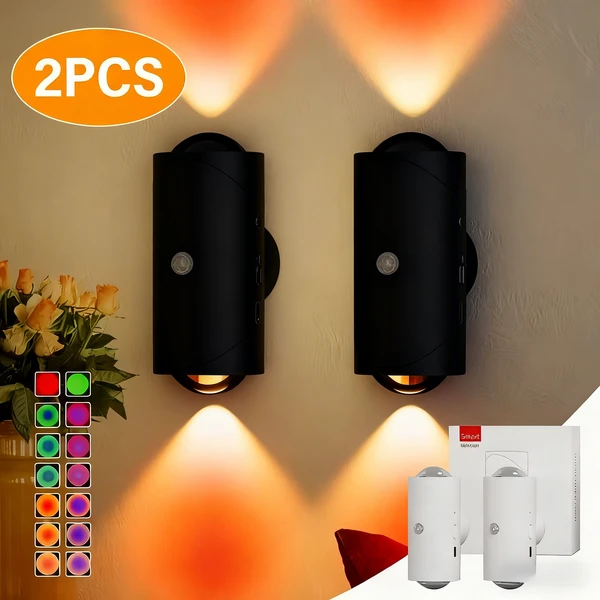 LED Motion Sensor Night Light, 7 Colors Rechargeable Battery Stair Wireless Magnetic Wall Lamp, Cordless LED Lights For Steps, Bedroom, Hallway, Courtyard, Holiday Decor, 2-Pack$32.99View on Mallflare
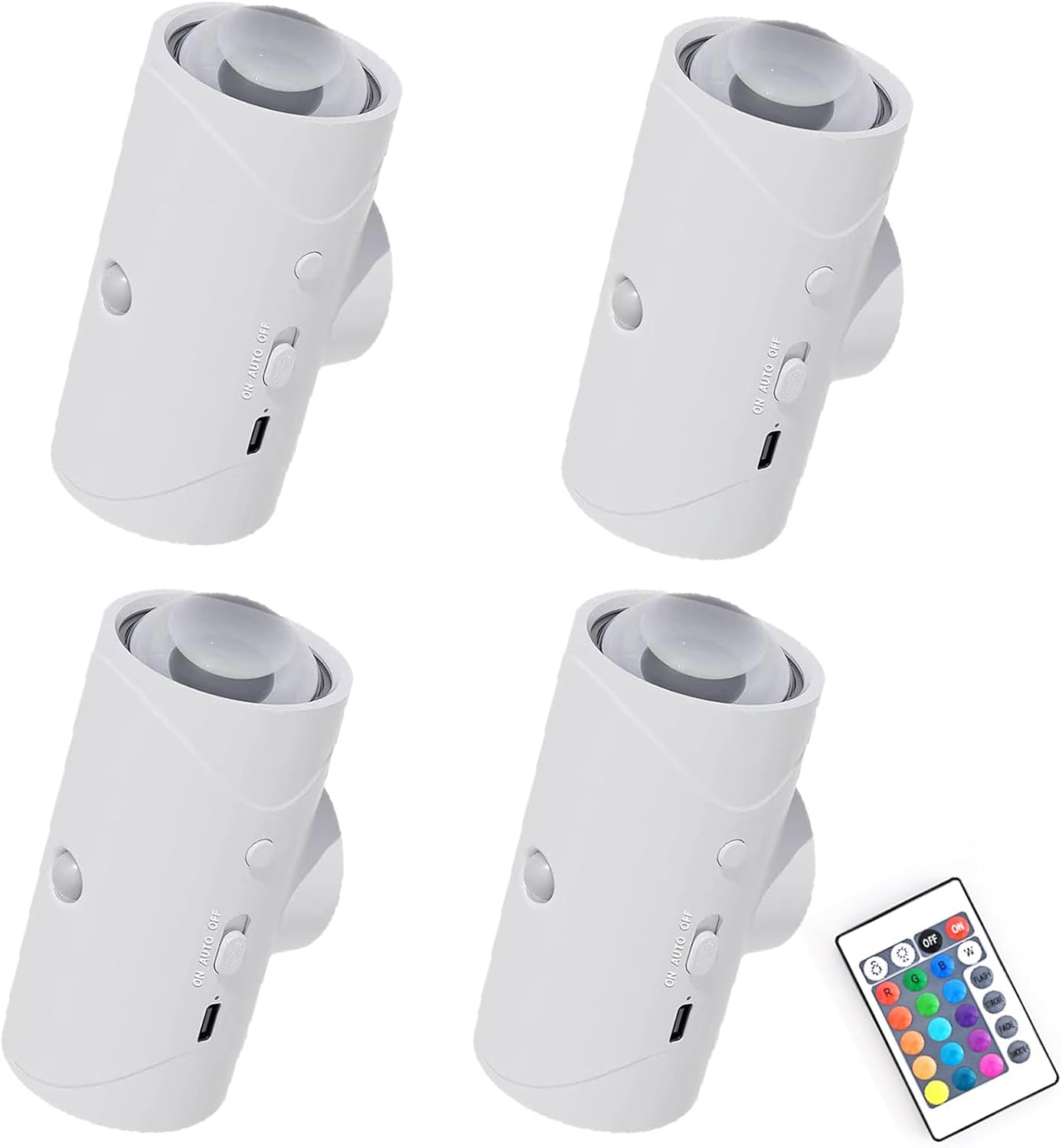 Rechargeable Motion Sensor Night Light, Magnetic LED Wall With RGB Color Changing & 3000K Warm Wireless Battery Powered Stick-On For Hallway, Stairs, Bedroom, Closet$33.99View on Mallflare
Highlights
- Cell architecture decides lifespan: replaceable 18650 or 14500 lithium cells recharge in 2-4 hours and last 500+ cycles, while sealed pouch cells are glued shut and brick the fixture when they degrade.
- PIR sensor quality separates useful from annoying: dual-element sensors with 3-5 m detection range and 100-120° detection angle trigger reliably on stairs, whereas single-element sensors false-fire through walls or miss slow motion.
- Lumen truth matters more than '7 colors': a genuine 3000K warm-white mode at 100-200 lumens lights a stair tread, while RGB-only units often peak at 20-40 lumens and are decorative at best.
- Mounting grade predicts fall risk: N35-N42 neodymium magnets plus 3M VHB adhesive plates hold on painted drywall and metal, while weak ceramic magnets and foam tape drop within weeks on textured or humid surfaces.
Best use cases
- Best fit for stairwells and hallways: choose motion-sensor units with 100-200 lumens warm-white output, 3-5 m PIR range, and magnetic base so you can detach to recharge—skip RGB-only decor lights that leave treads dim.
- Best fit for closets, cabinets, and under-shelf: pick slim stick-on bars with 60-100 lumen output and USB-C recharge, since motion sensing is unnecessary and a manual touch switch conserves battery.
- Best fit for renters and dorms: select adhesive-plate mounting with no drilling and a replaceable 18650 cell, so the fixture survives move-out and stays serviceable; skip sealed units and screw-mount models.
- Wrong fit for primary room lighting or outdoor security: wireless LEDs at 100-200 lumens cannot replace ceiling fixtures or floodlights—use them only as path, accent, or task lighting.
Buying tips
- Match battery capacity to duty cycle: a 600-1200 mAh cell lasts 1-3 weeks at 3-5 nightly triggers, but high-traffic hallways need 2000 mAh+ or a replaceable 18650 to avoid weekly charging.
- Require a stated lumen figure, not just wattage or color count: 100-200 lumens suits stairs and hallways, 40-80 lumens suits closets, and anything unrated is a decor item.
- Choose USB-C charging over micro-USB on any light you will recharge monthly; micro-USB ports wear out and cables are increasingly scarce.
- For RGB units, confirm a dedicated warm-white 3000K mode rather than color-mixing, which produces a greenish cast and lower usable brightness.
Specs
| Power Source | USB-C rechargeable vs sealed cell |
|---|---|
| Battery Type | Replaceable 18650 vs sealed pouch |
| Motion Sensor | Dual PIR, 3-5 m, 100-120° |
| Light Output | 100-200 lm warm white; 40-80 lm accent |
Related searches
What to check before buying
- Measure the mounting surface: stair risers need a flat 60-80 mm face, while under-cabinet runs need 10-15 mm clearance for the light bar and charging port.
- Confirm surface compatibility: 3M VHB adhesive holds on painted drywall, tile, and metal but fails on textured plaster, wallpaper, and damp concrete—use the magnetic plate on metal stair stringers.
- Check the charging standard: USB-C input at 5V/1A is the safe baseline; avoid fixtures with proprietary docks or barrel plugs that cannot be replaced.
- Verify motion-sensor placement: PIR sensors do not see through glass or around corners, so plan one unit per 3-5 m of corridor or per stair flight.
FAQ
Data sources: eBay / Amazon listings and product attribute feeds. Updated Nov 22, 2026.
Some links on this page are affiliate links. If you buy after clicking one, we may earn a commission at no extra cost to you. This does not change which products appear here or their order. Affiliate disclosure.