
Photos from current listings. Actual item, color, and included accessories may vary.
Vanity Light With Outlet Buying Guide
A vanity light with outlet combines task lighting over a mirror with a built-in GFCI receptacle, letting you power shavers, toothbrushes, or hair tools without a separate wall socket. The core trade-off is between integrated LED bars (slim, sealed, non-serviceable) and socketed fixtures (replaceable bulbs, higher wattage). Choose a GFCI-integrated, damp-rated fixture with metal construction and a replaceable LED module or standard bulb base; skip unlisted, non-GFCI, or fully sealed plastic units.
At a glance
- Category
- Lamps & Indoor Lighting
- Last updated
- Nov 22, 2026
Current offers
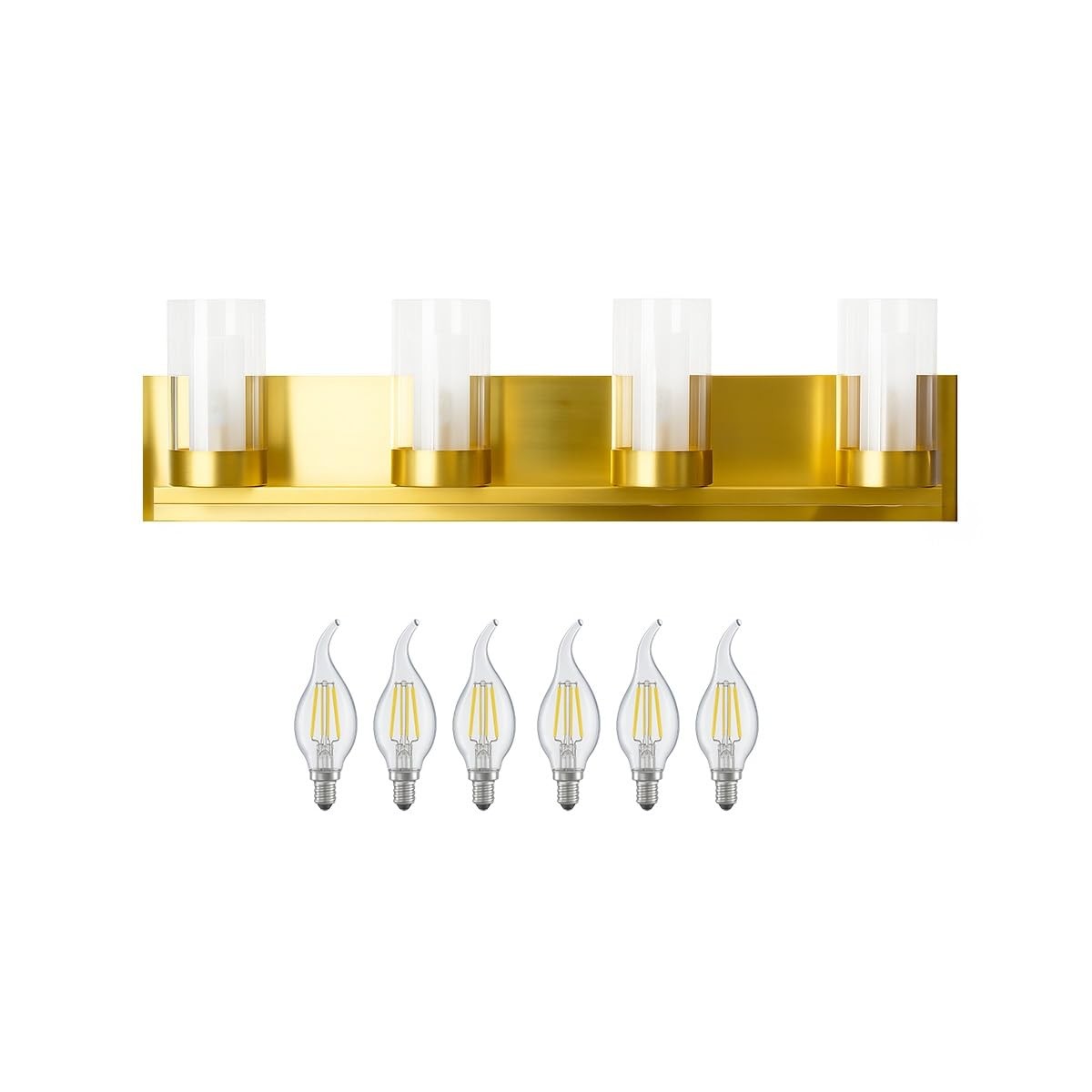 4-Light Vanity Bar Light – Modern Bathroom Wall Lamp to Install Over The Sink...$71.67View on eBay
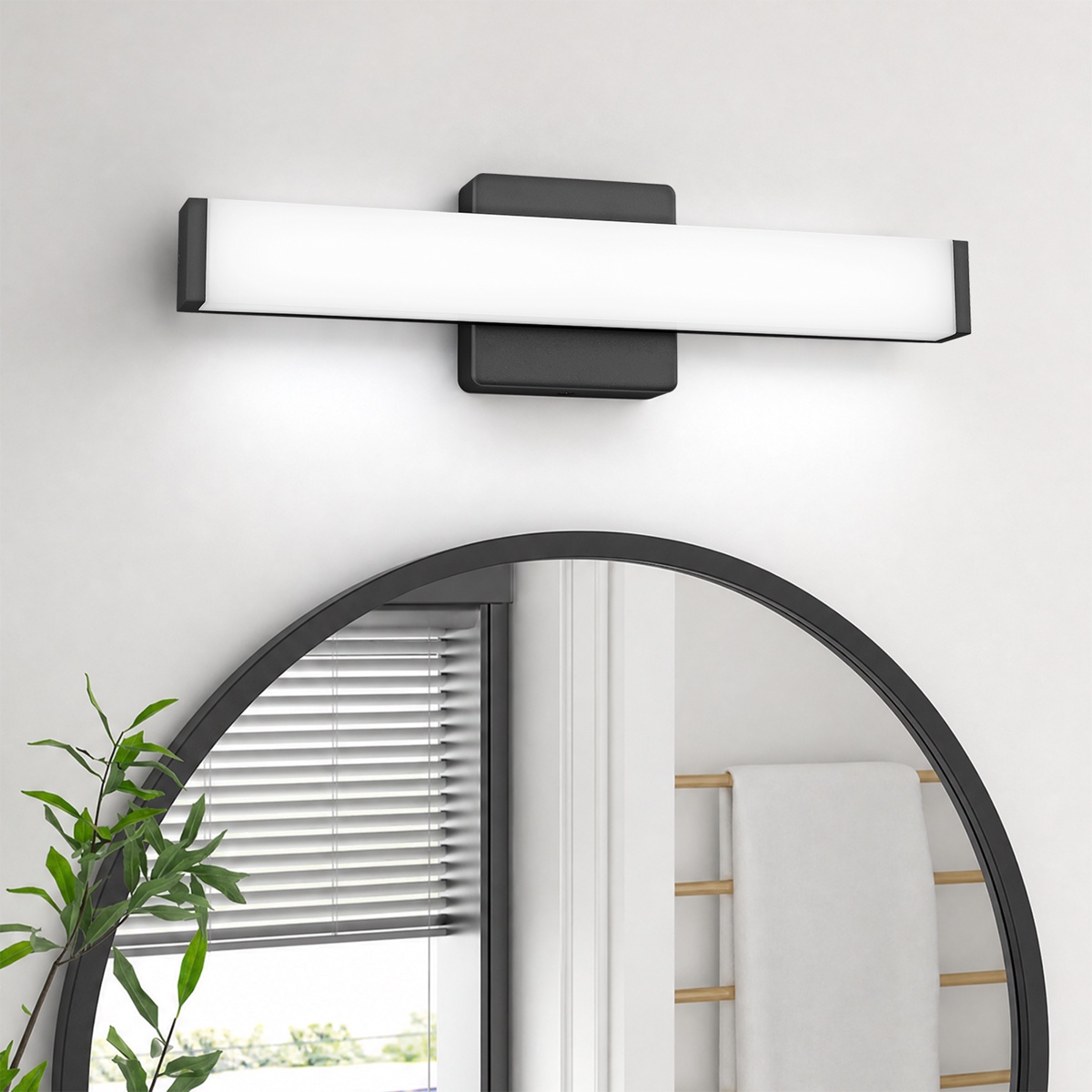 Vanity Light Fixtures 16 Inch, 10W 3000K Dimmable Bathroom Fixtures,Black$37.99View on Mallflare
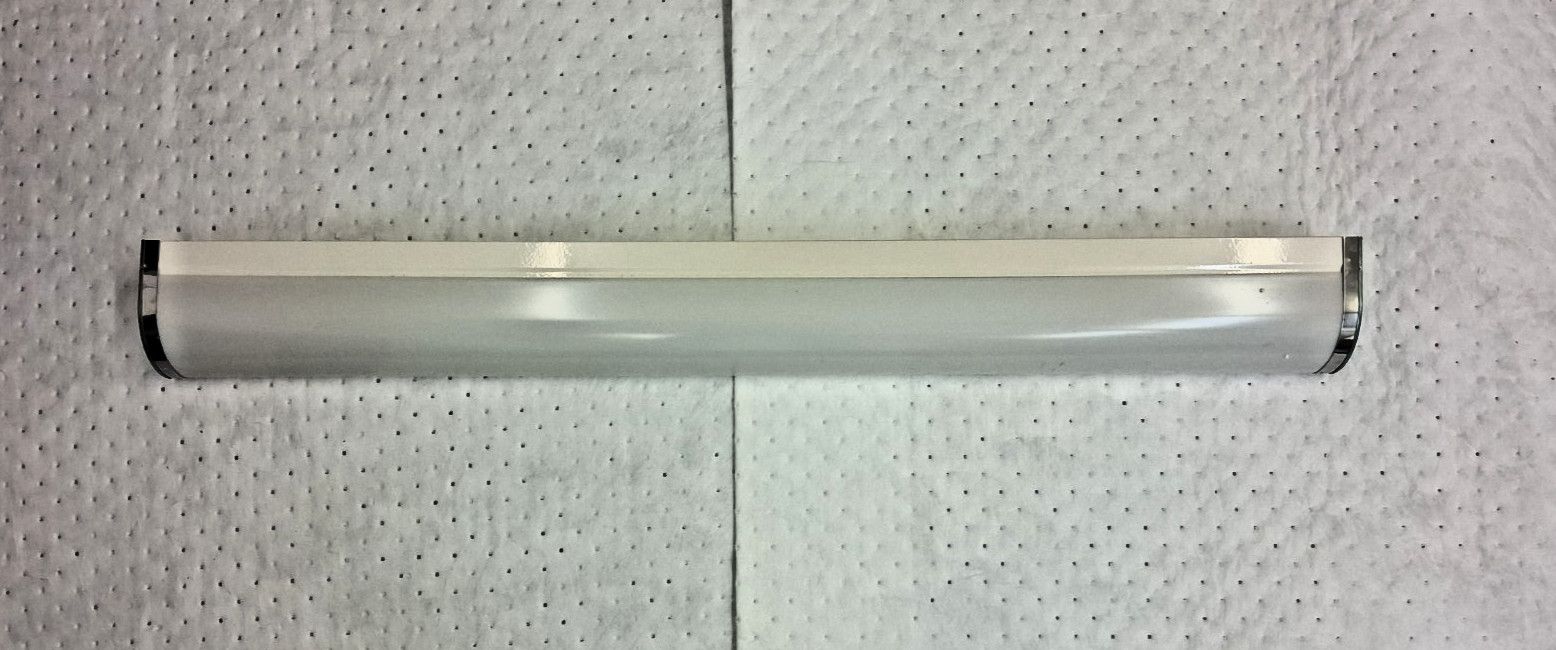 Progressive Lighting Commercial Linear Bath & Vanity FIxture Light P7232-15E$115.00View on eBay
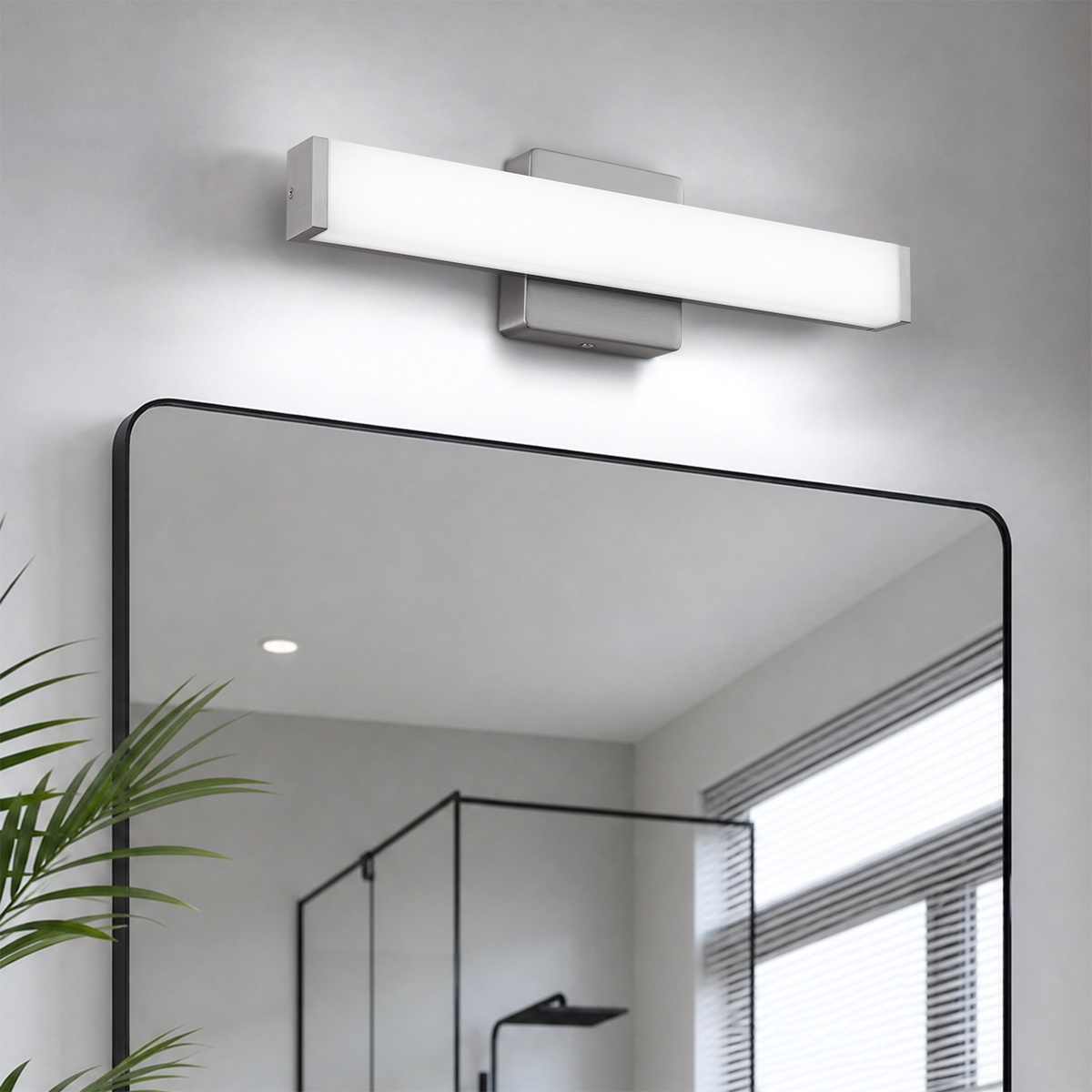 Bathroom Vanity Light Brushed Nickel Square LED 16 Inch 10W 6000K Cool White Wall Bar Lighting Fixtures Over Mirror 16in$42.99View on Mallflare
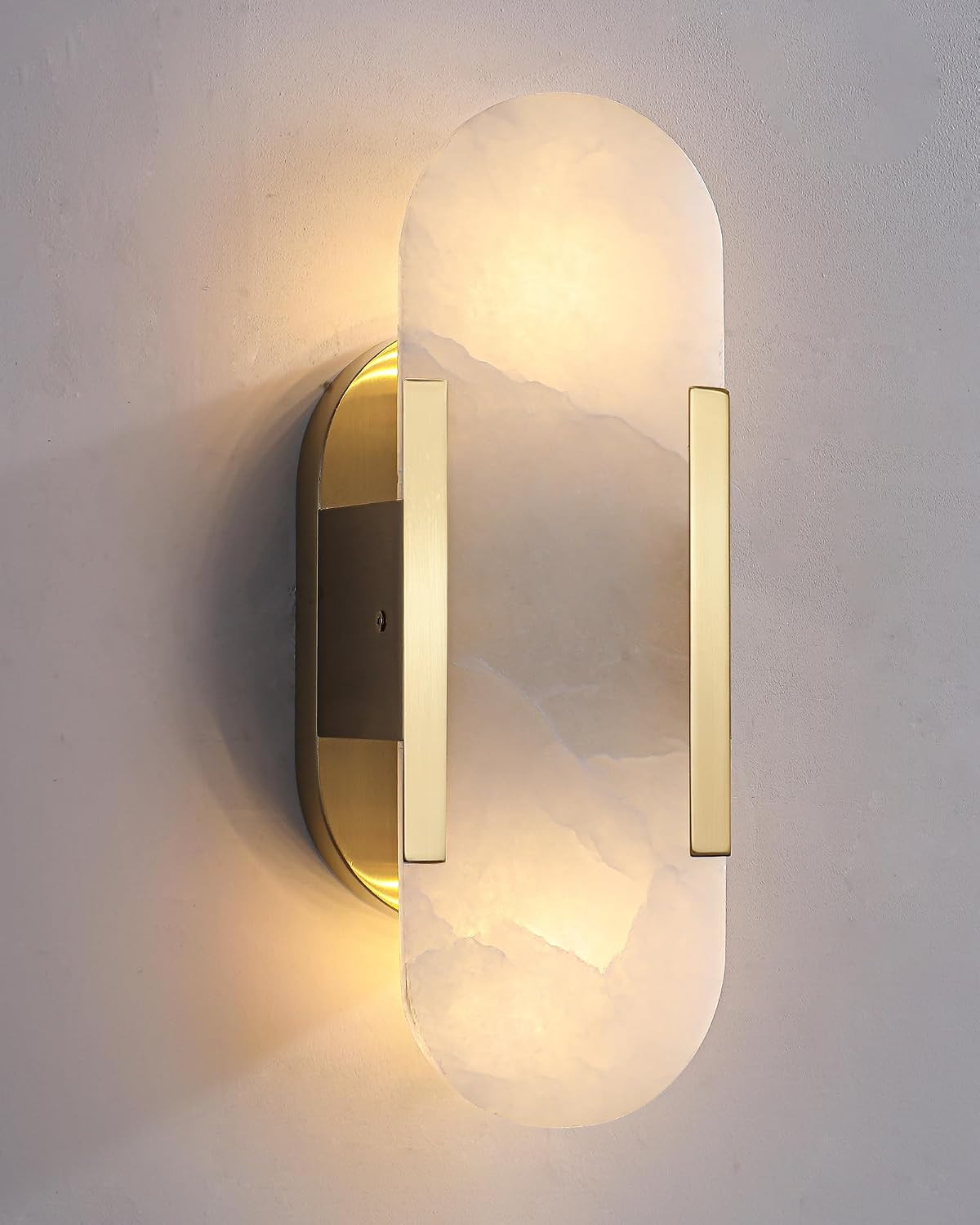 Alabaster Wall Sconces, Modern Vanity Lights 3.78In Brass Bathroom Light Fixture$169.99View on eBay
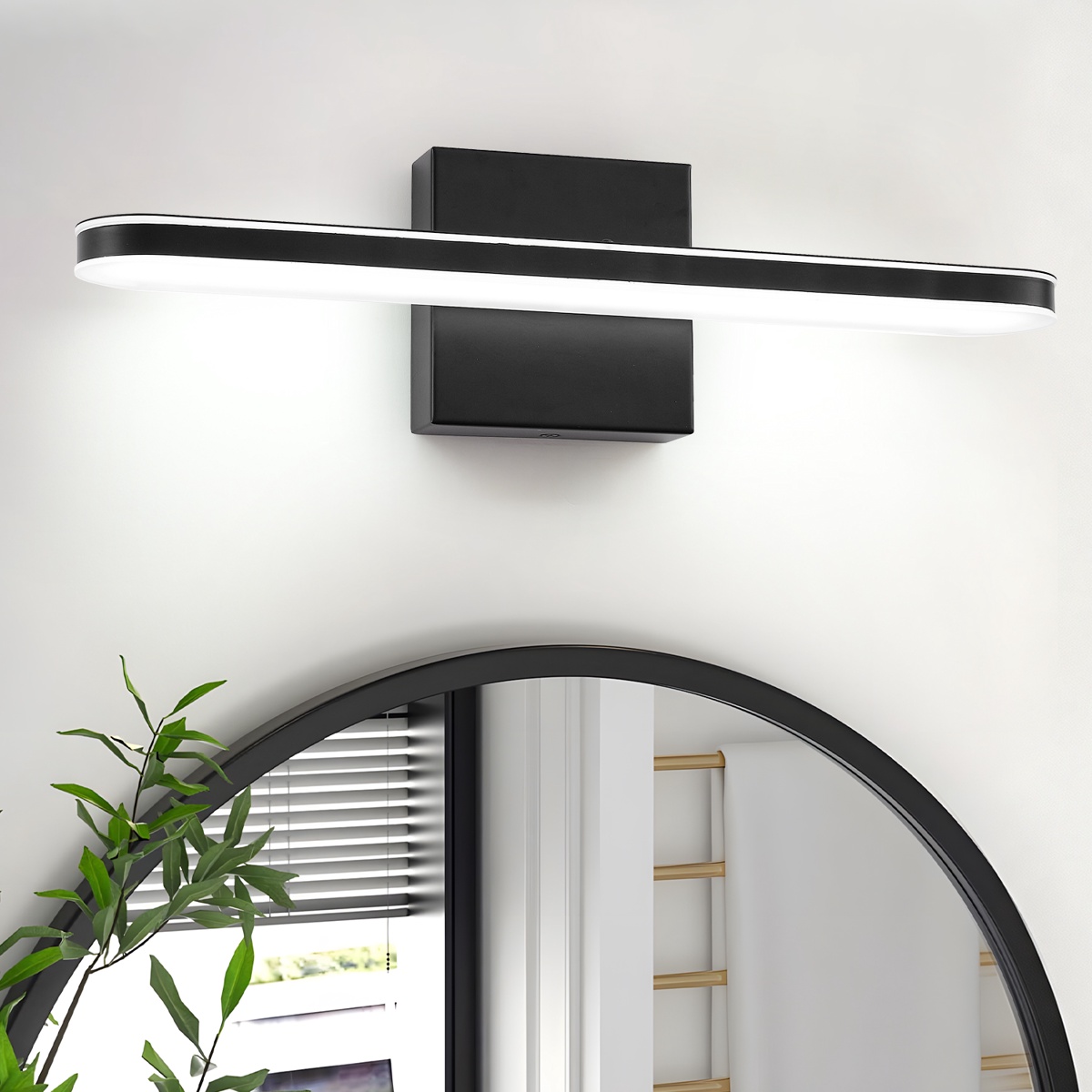 LED Bathroom Vanity Light Bar Dimmable Fixtures Modern Over Mirror Lighting Fixture 16Inch BathWall 8W Wall Sconce For Bathrooms Bedroom Living Room Indoor 6000K,Black$49.99View on Mallflare
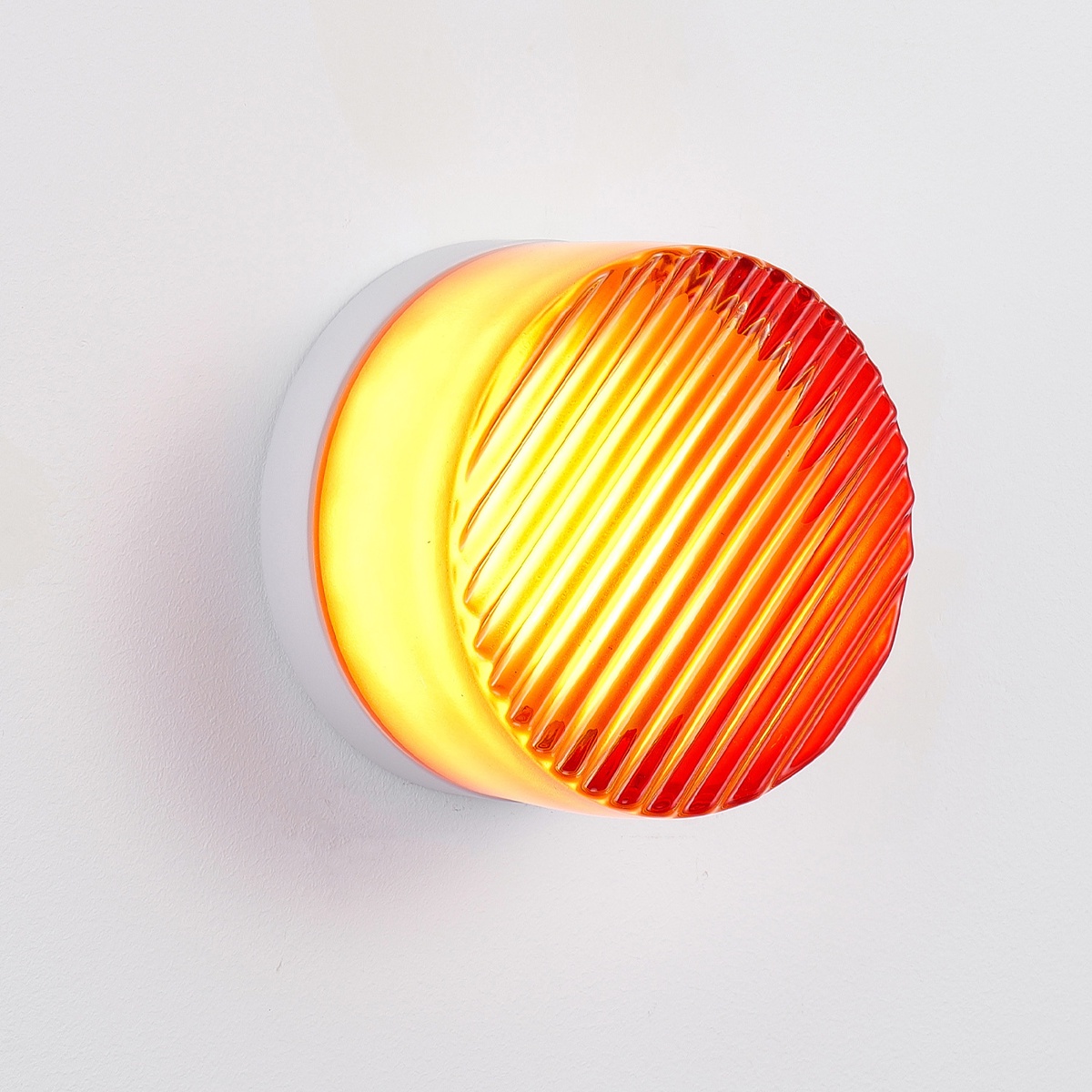 Minimalist Round Wall Light Modern Simple Design,Thick Glass Shade LED Fixture,Minimalist Lamp For Bathroom Vanity, Bedroom Bedside, Living Room , Striped Style - Red$54.99View on Mallflare
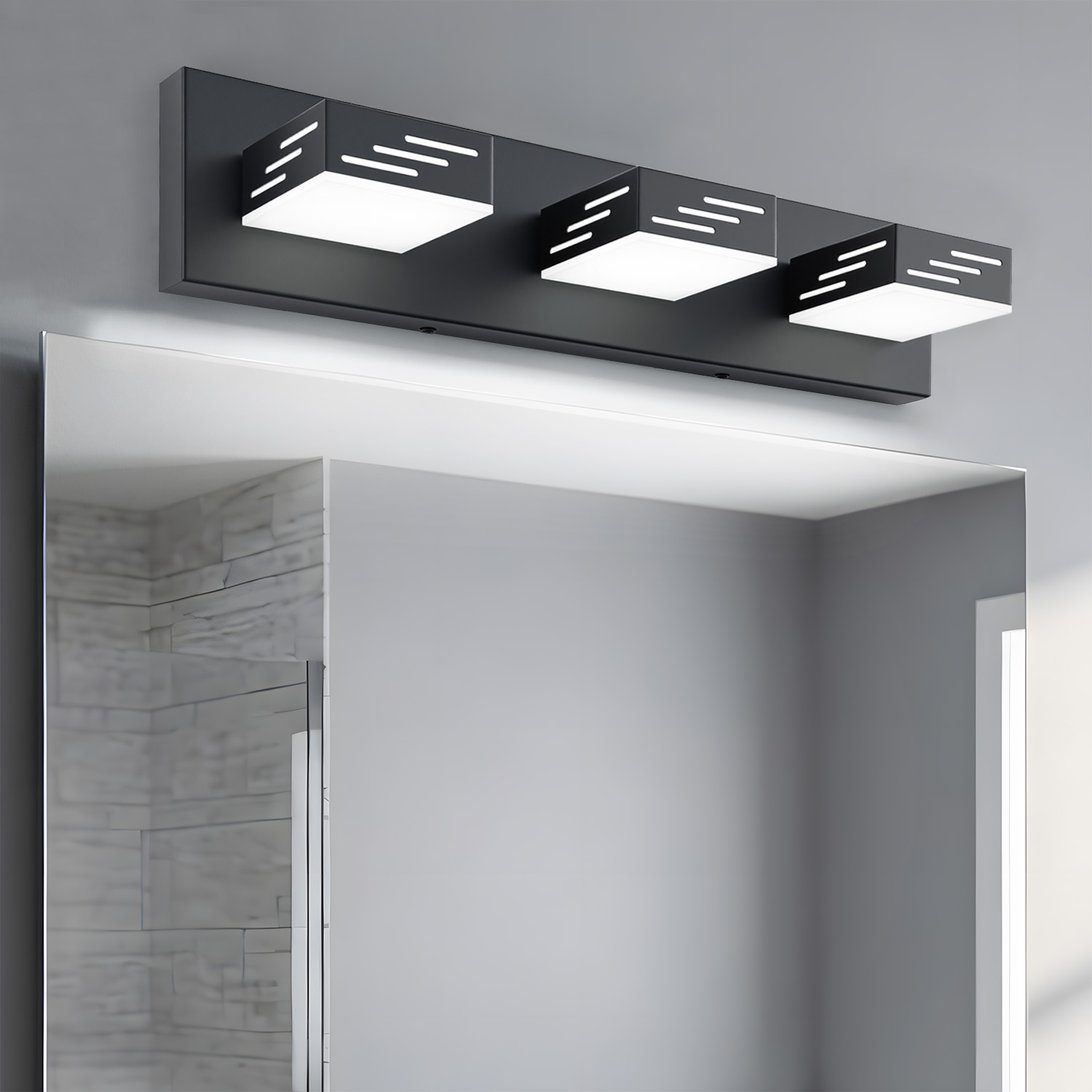 3-Light LED Modern Vanity Light Fixtures, 19.7-Inch, Black Finish Bathroom Wall Lighting Fixture Over Mirror, For Living Room, Bedroom, Hallway, Cool White 6000K$57.99View on Mallflare
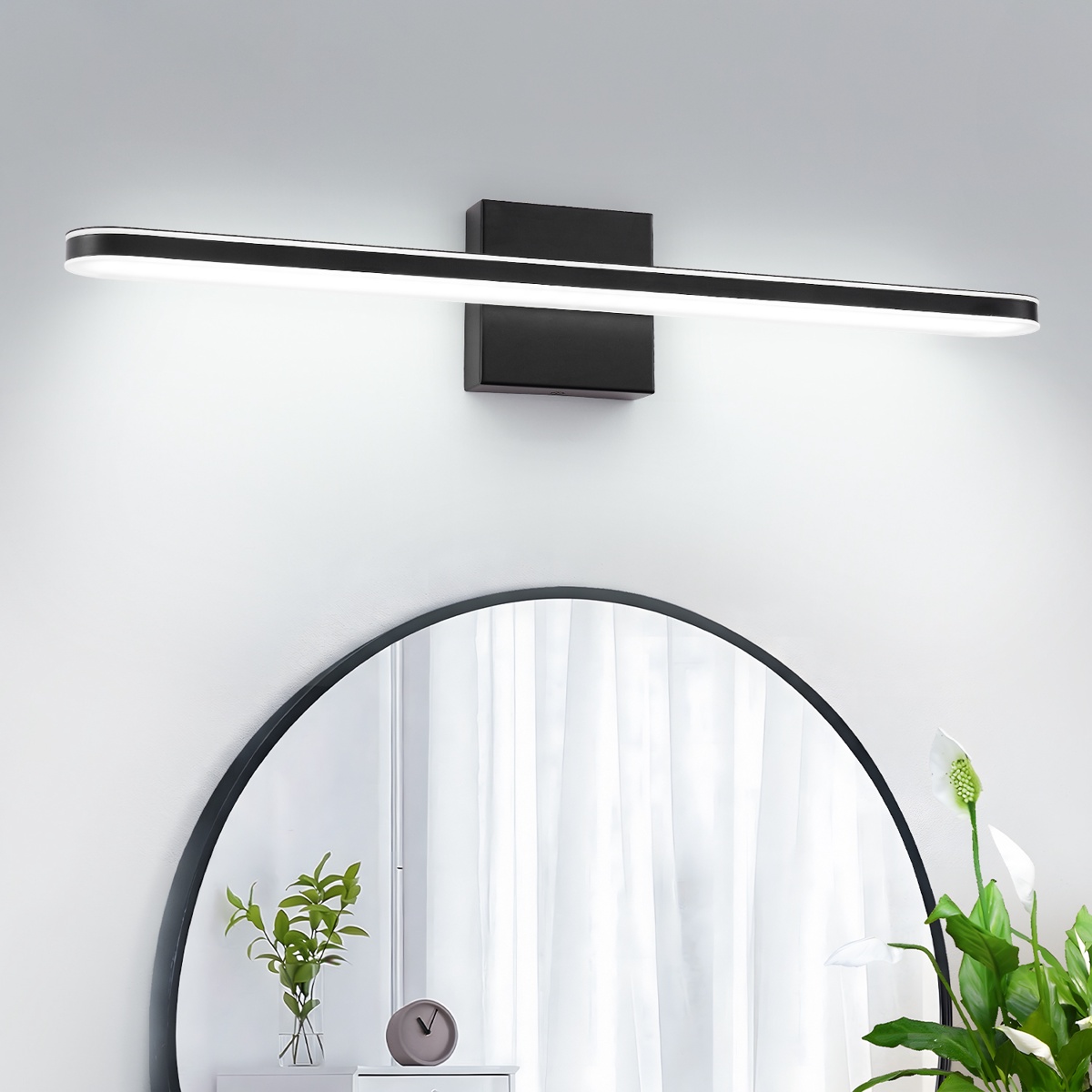 Modern Bathroom Light Fixtures Dimmable LED Vanity Lights Lamps For Bathover Mirror 24 Inch Sconces Indoor 12W Bar Lighting For Bathrooms Restroom Bedroom 6000K Wall For Bathroom,Black$62.99View on Mallflare
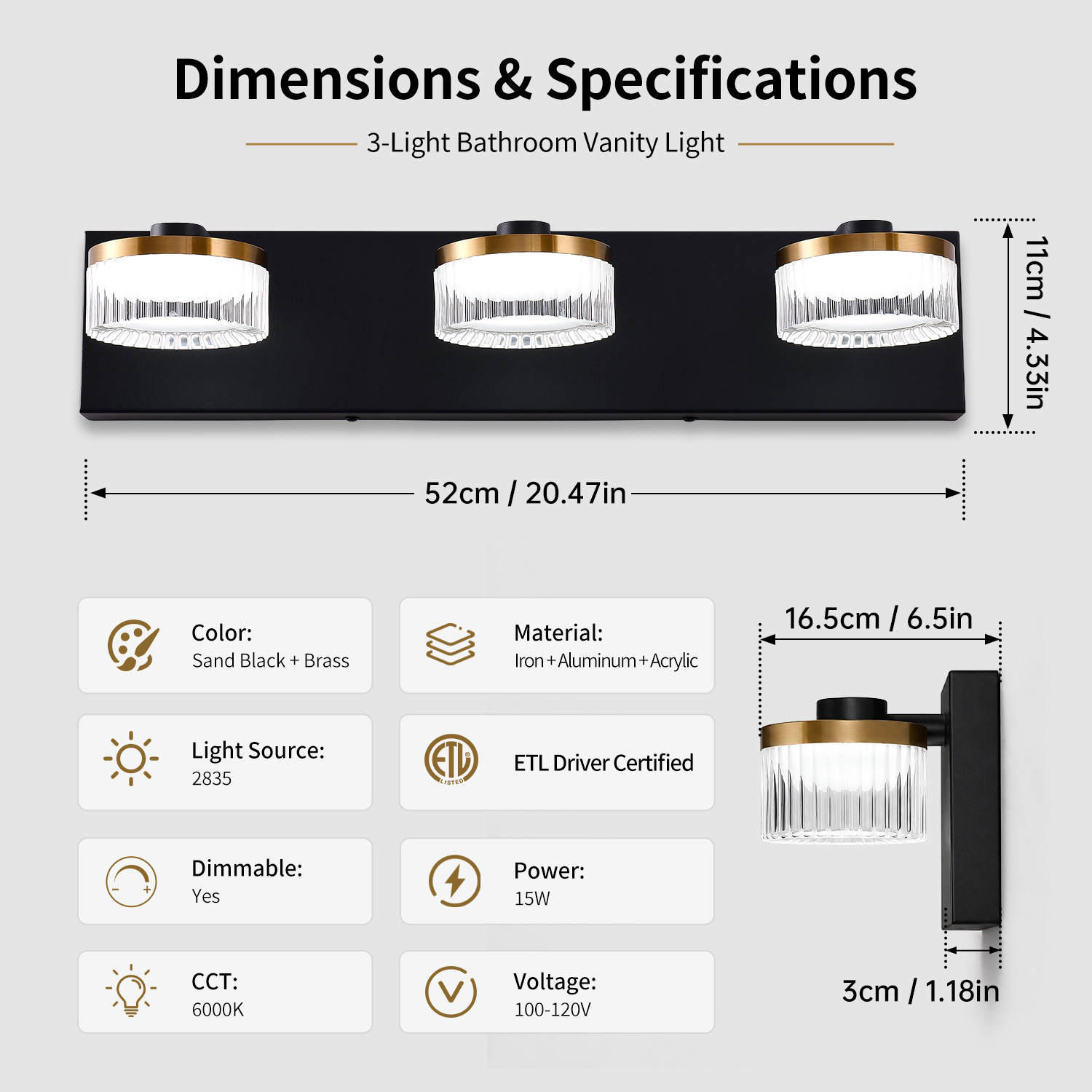 Dimmable Vanity Light, 3-Light Bathroom Wall Sconce, Matte Black & Brass Finish, US Standard Modern Industrial Lighting$68.99View on Mallflare
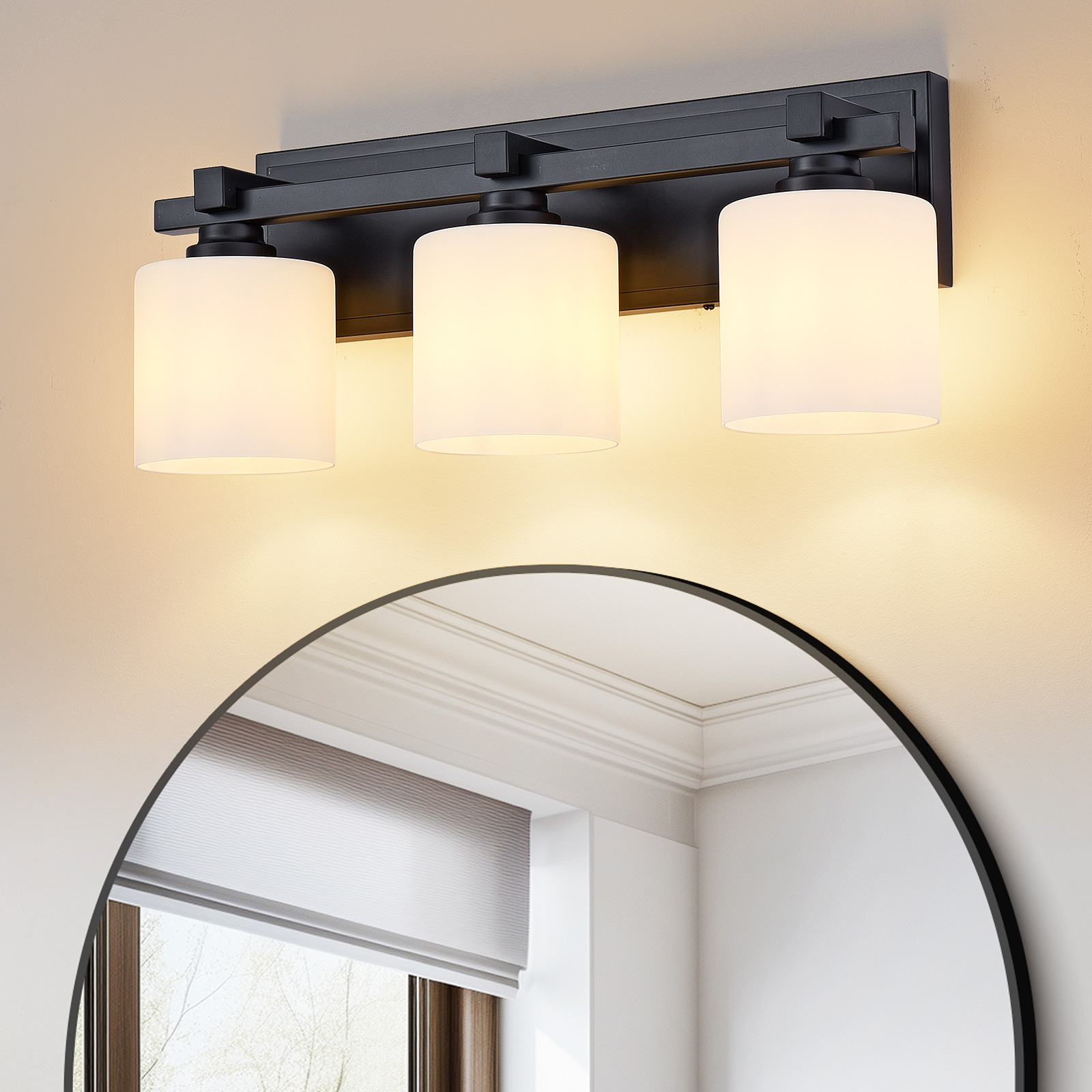 3-Light Matte Black Bathroom Vanity Light With Milky White Glass Shades, E26 Socket Hardwired Wall Sconce For Mirror, Hallway, Bedroom ,Bulbs Not Included$68.99View on Mallflare
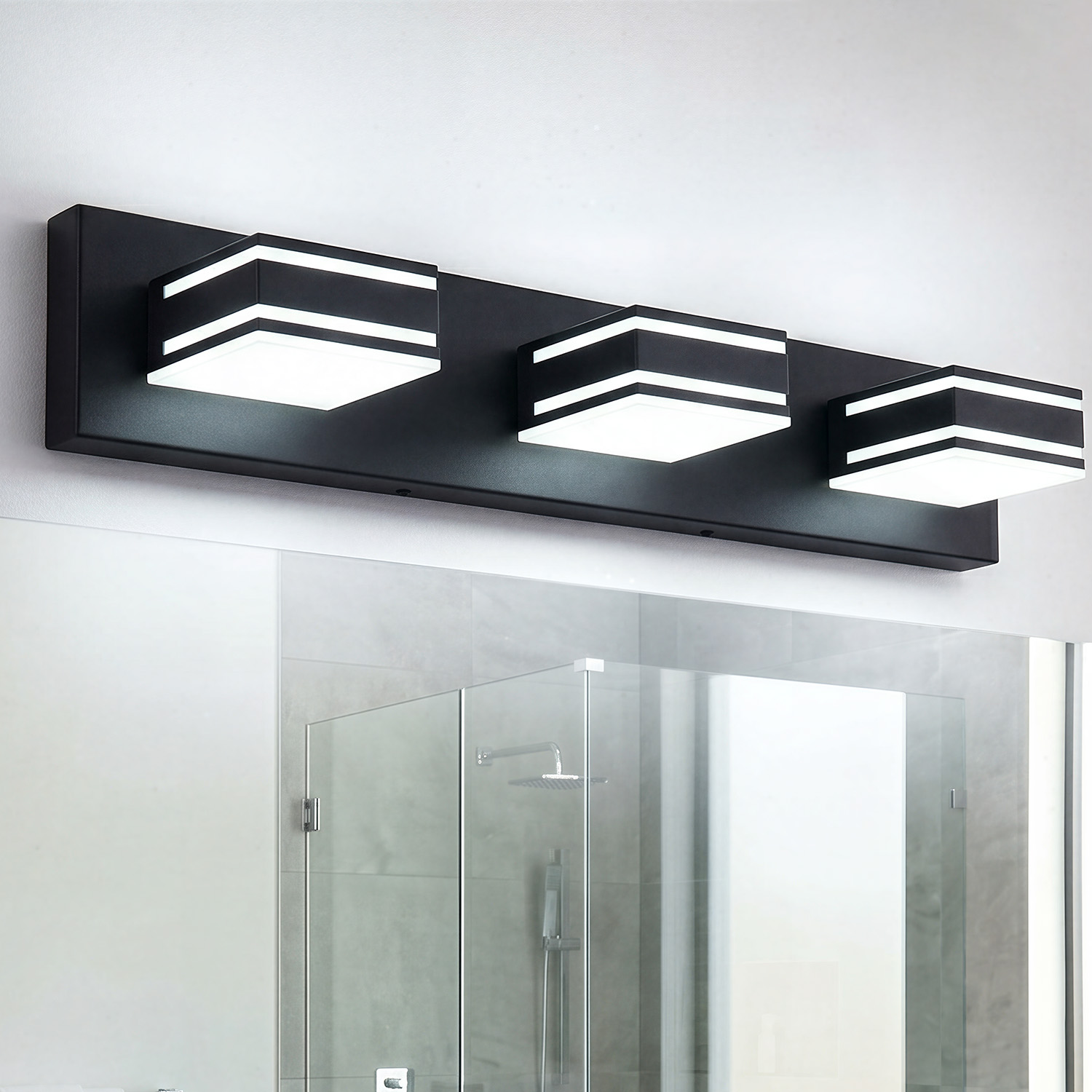 LED Modern Bathroom Vanity Lights Black 3-Light 24inch Matte Acrylic Wall Lighting Fixtures Over Mirror$68.99View on Mallflare
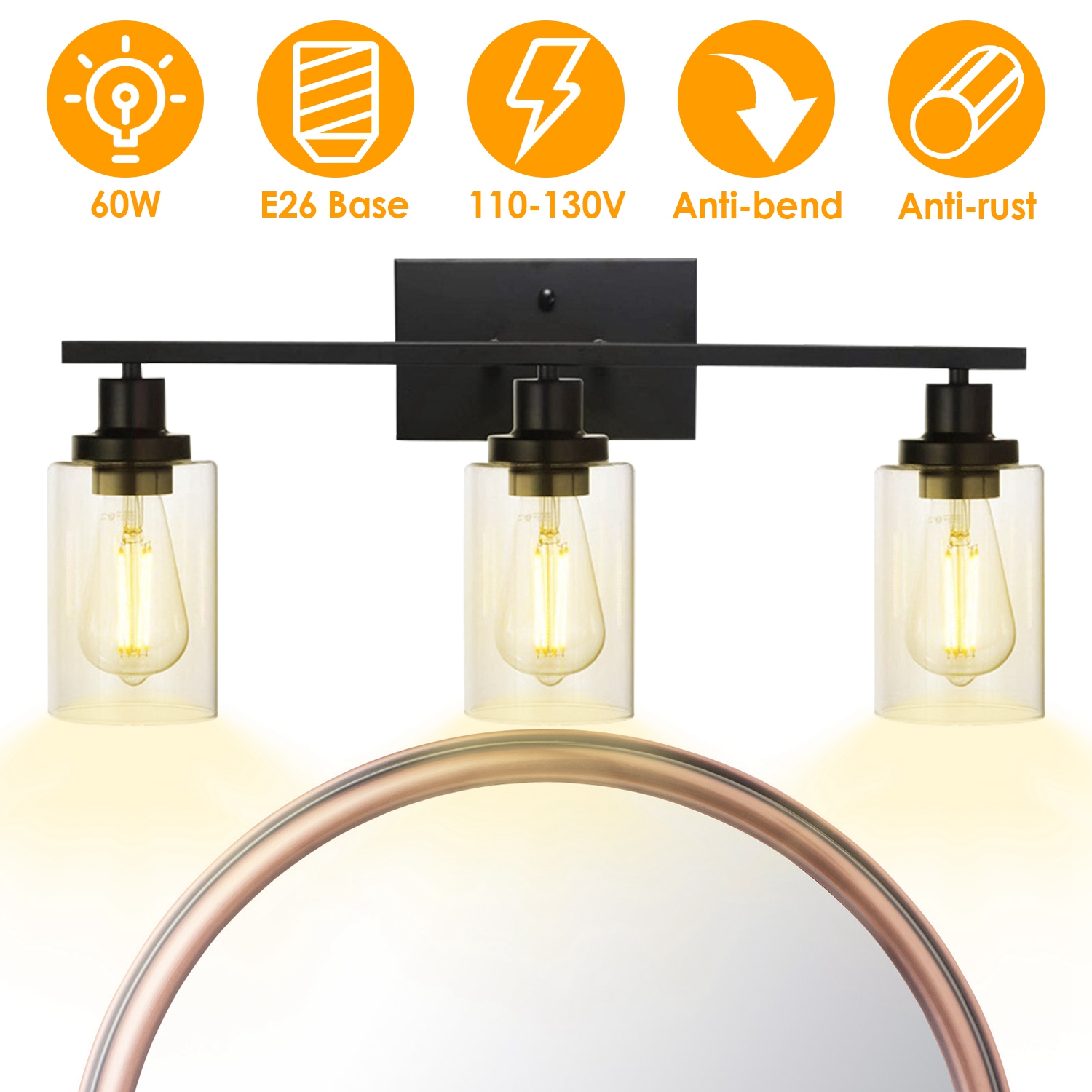 1Pc 3-Light Wall Sconce Lighting With Clear Glass Shade Bathroom Vanity Lamp Fixture Modern Mounted Light For Porch Mirror Living Room Bedroom Hallway$69.99View on Mallflare
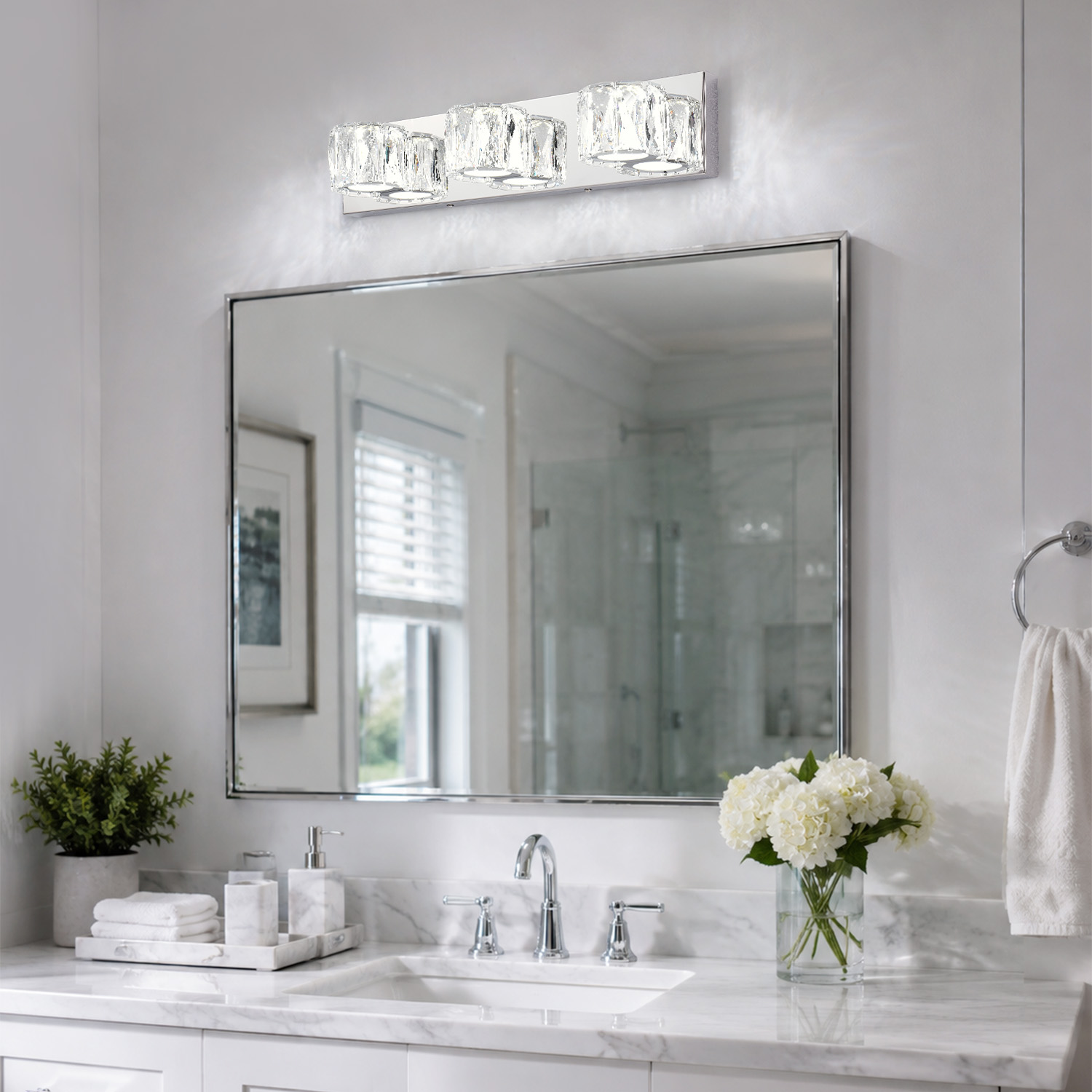 Modern Chrome 3-Light Crystal Vanity Light, 20.5 Inch LED Bathroom Mirror Fixture With K9 Shades, 15W 6000K Dimmable Wall Sconce For Dressing Table, Hotel$70.99View on Mallflare
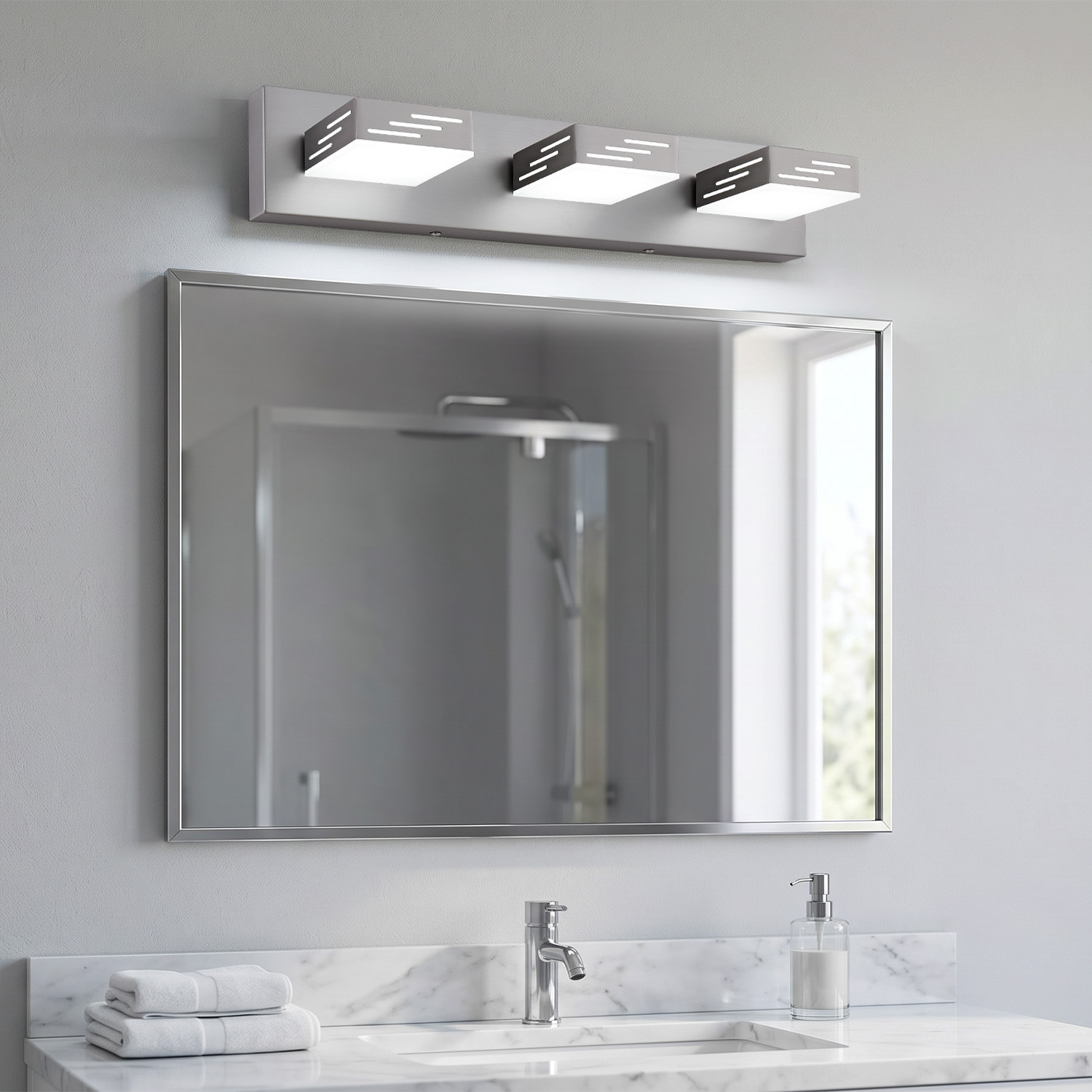 LED Modern Bathroom Vanity Light Fixtures, Dimmable Brushed Nickel Lights For Lighting Over Mirror, 3-Light 20-inch ,Cool White 6000K$71.99View on Mallflare
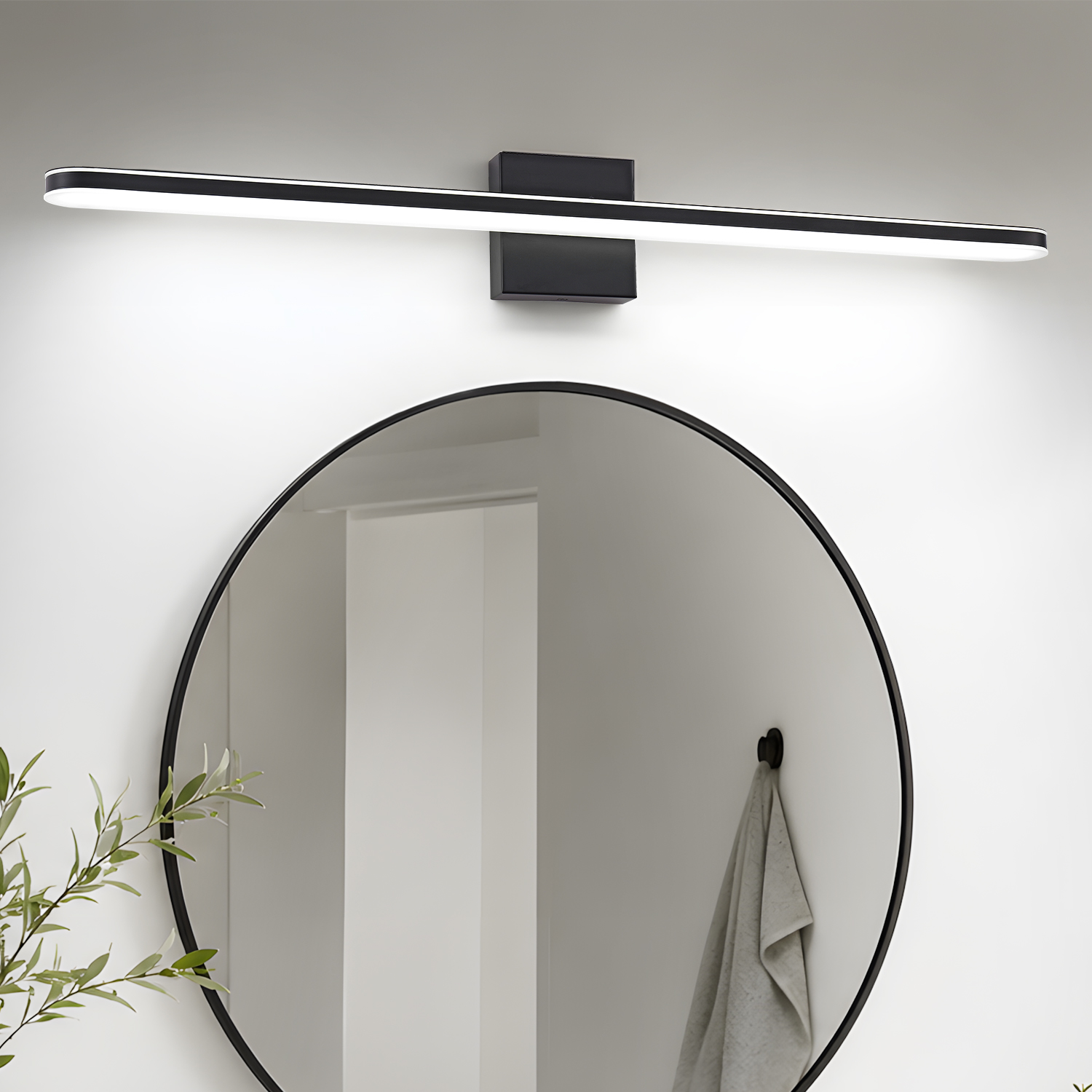 Modern LED Vanity Lights For Bathroom 32IN 16W Daylight White Light Fixtures Over Mirror Lighting Light,Black$72.99View on Mallflare
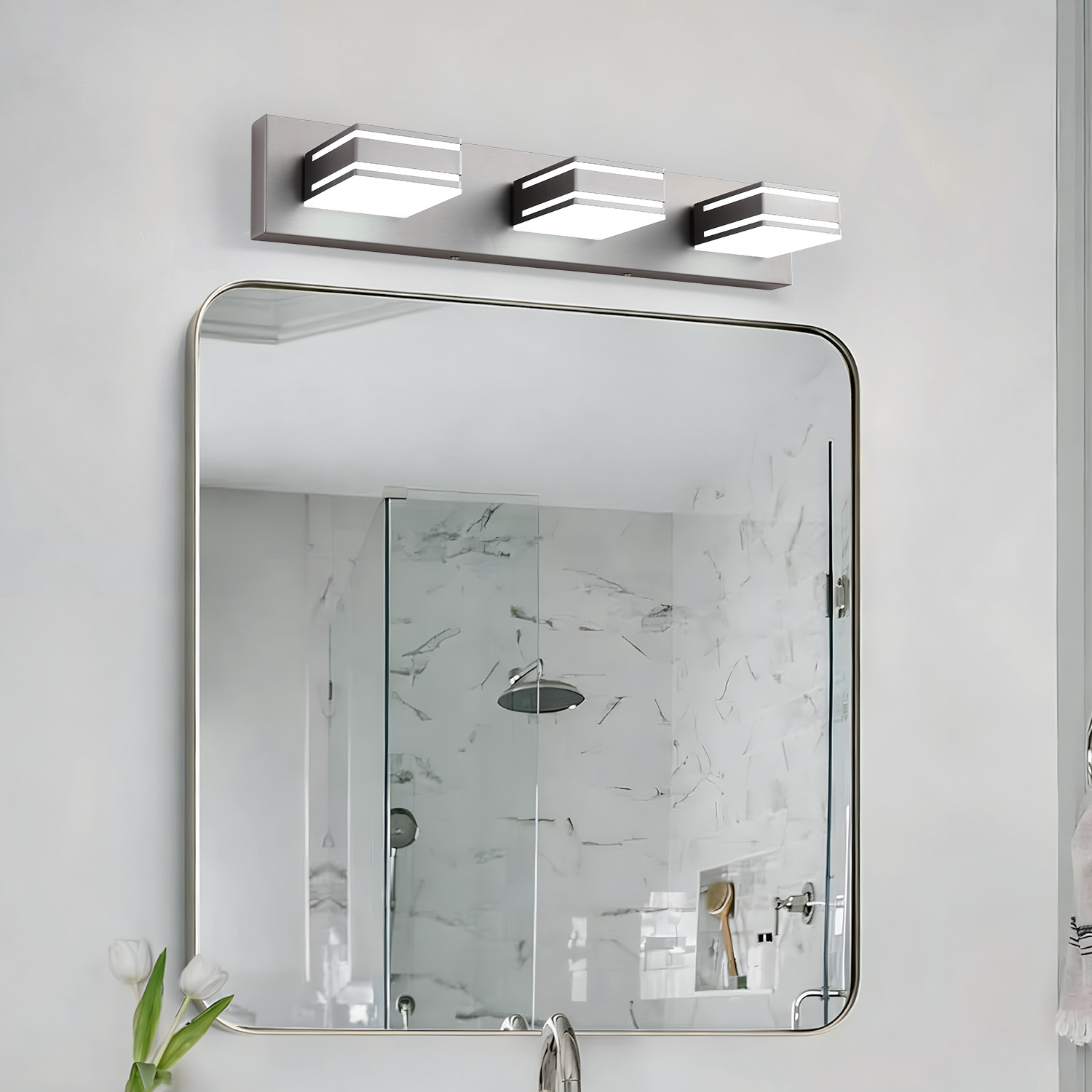 LED Modern Bathroom Vanity Light Fixtures,3-Light, 24-Inch,Brushed Nickel Wall Lighting Fixtures Over Mirror ,Cool White 6000K$73.99View on Mallflare
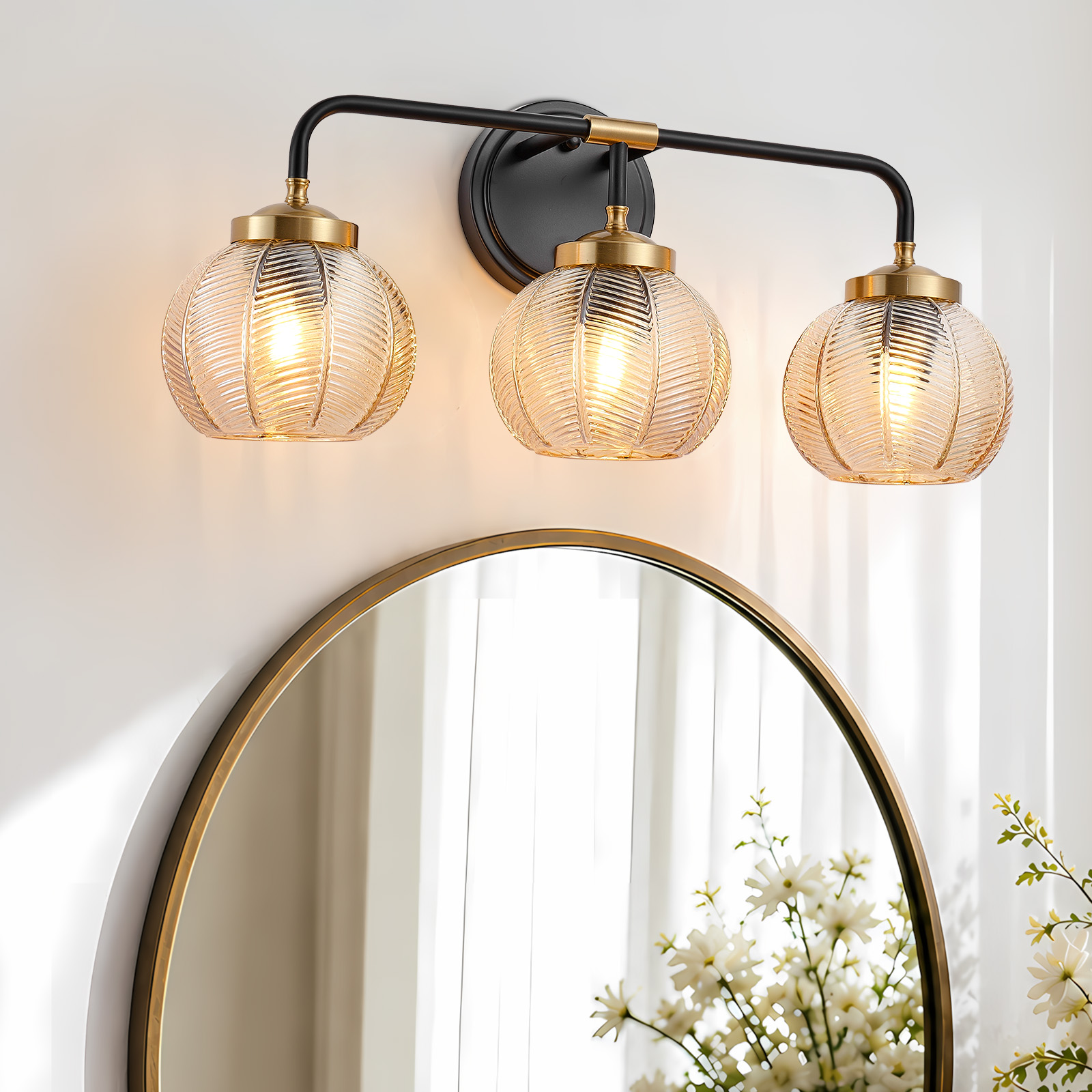 Bathroom Light Fixtures, 3-Light Amber Vanity Lights With Unique Leaf Texture Glass Shade, Modern Matte Black And Gold Wall Lamp For Mirror Hallway Cabinet Living Room$73.99View on Mallflare
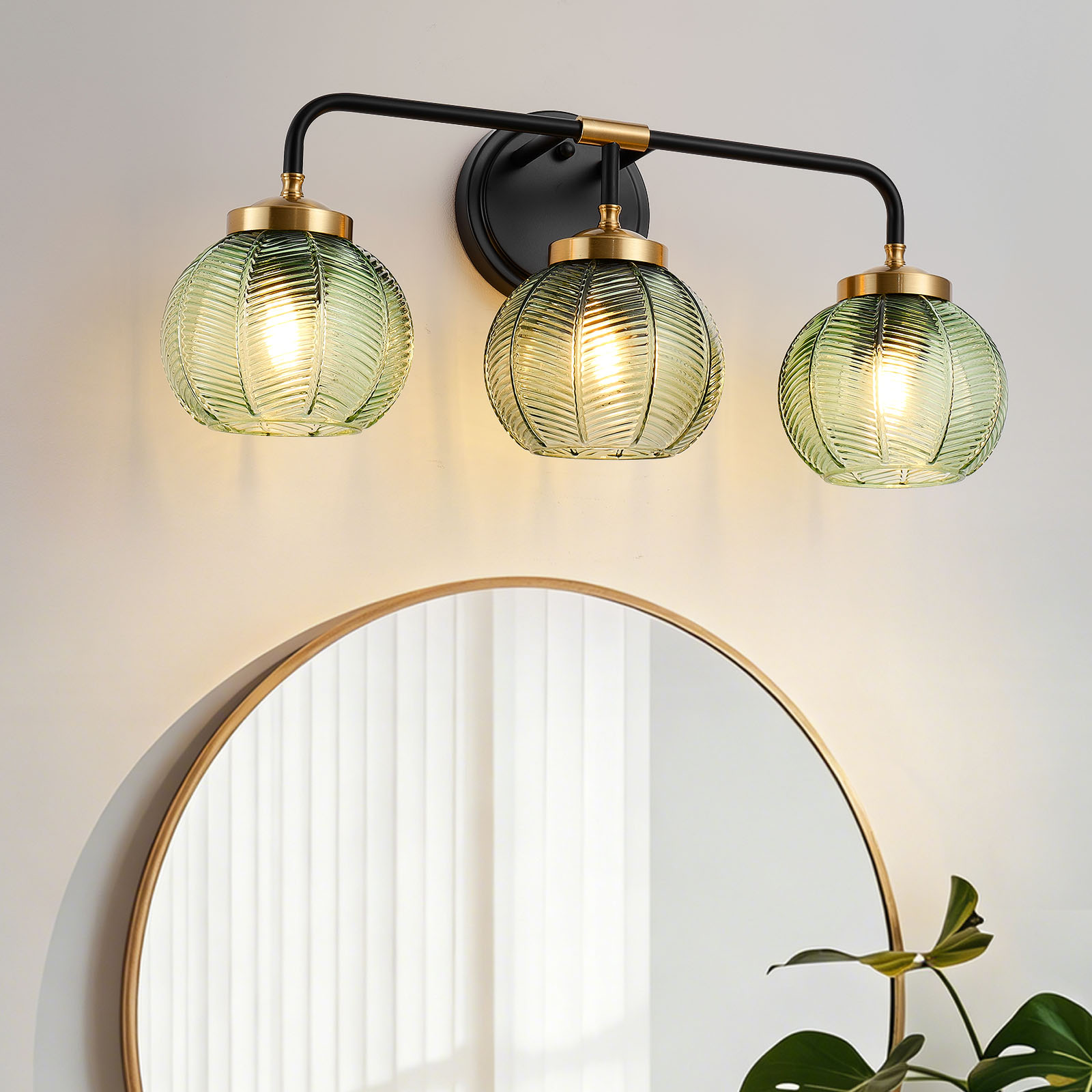 Bathroom Light Fixtures, 3-Light Green Vanity Lights With Unique Leaf Texture Glass Shade, Modern Matte Black And Gold Wall Lamp For Mirror Hallway Cabinet Living Room,Green$73.99View on Mallflare
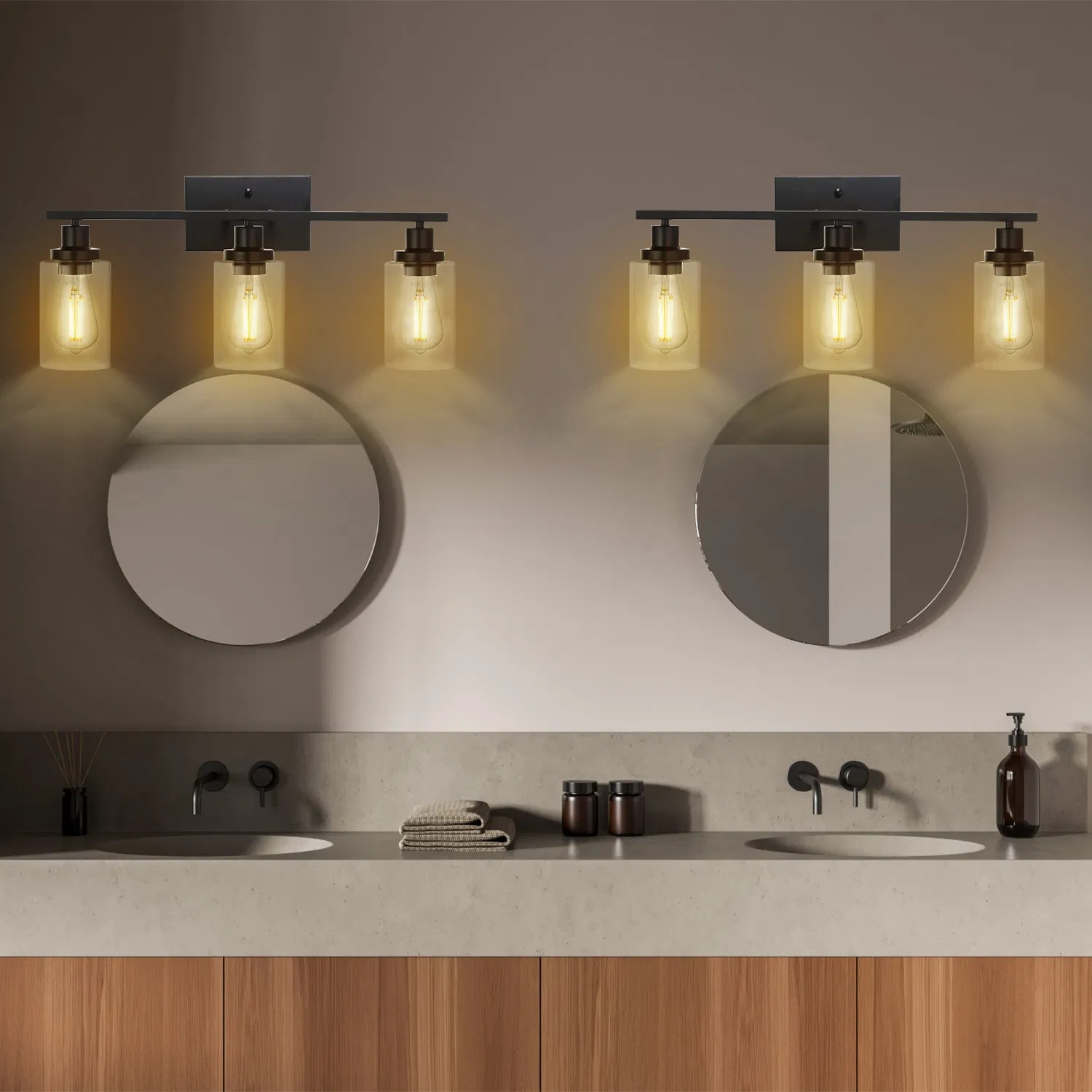 3 Light Wall Sconce Lighting with Clear Glass Shade Bathroom Vanity Lamp Fixture Modern Mounted for Porch Mirror Living Room Bedroom Hallway$76.99View on Mallflare
Highlights
- GFCI receptacle required by NEC for bathroom outlets; integrated outlet must be GFCI-protected either at the fixture or upstream on the circuit.
- Integrated LED fixtures typically deliver 10–12W per bar (≈800–1,200 lumens) at 3000K–6000K; socketed versions accept E26 bulbs up to fixture wattage rating.
- Damp-location listing (UL/ETL) is mandatory for bathroom use; wet-rated only needed inside shower/tub zone.
- Metal housing (steel/aluminum) with glass shade outlasts plastic; look for powder-coated or plated finishes to resist humidity corrosion.
Best use cases
- Best fit: integrated LED bar with GFCI outlet over a single sink — slim profile, dimmable, 3000K for warm task light; skip if you need high output for makeup or grooming.
- Best fit: 3–4 light socketed fixture with outlet for a double vanity — choose E26 base, damp-rated, metal construction; skip integrated LEDs if you want replaceable bulbs.
- Wrong fit: outlet-only sconce without GFCI in a bathroom — code violation and safety hazard; instead pick a fixture with built-in GFCI or ensure upstream GFCI protection.
- Wrong fit: plastic-housing, non-damp-rated bar in a steamy bathroom — premature failure; choose metal/glass, UL damp-rated.
Buying tips
- Match fixture width to mirror: bar should be 75–100% of mirror width or at least 24 in above a single sink; for double vanity use 36–48 in.
- Confirm outlet type: GFCI receptacle (test/reset buttons) is required; some fixtures offer USB-A/C charging ports in addition — pick USB only if you need device charging.
- Check mounting: wall-mount junction box required; hardwired only (most with outlet are hardwired); ensure fixture backplate covers box and outlet is reachable.
- For LED bars, verify color temperature and CRI: 3000K–3500K for warm light, CRI ≥90 for accurate makeup application; dimmable only with compatible dimmer switch.
Specs
| Light Source | Integrated LED vs E26 socketed |
|---|---|
| Outlet Type | GFCI receptacle (built-in or upstream) |
| Location Rating | Damp-rated (UL/ETL) for bathroom |
| Housing Material | Metal (steel/aluminum) + glass |
Related searches
What to check before buying
- Measure mirror width and height; fixture should be centered and not extend beyond mirror edges by more than 2–3 in on each side.
- Verify wall junction box location and that fixture backplate will cover it; outlet should sit at least 6 in above countertop or per local code.
- Confirm circuit has GFCI protection (at breaker or upstream outlet); if not, choose fixture with built-in GFCI receptacle.
- Check damp-location rating (UL/ETL) and that materials are metal/glass, not plastic; confirm bulb base (E26) or integrated LED wattage meets your brightness needs.
FAQ
Data sources: eBay / Amazon listings and product attribute feeds. Updated Nov 22, 2026.
Some links on this page are affiliate links. If you buy after clicking one, we may earn a commission at no extra cost to you. This does not change which products appear here or their order. Affiliate disclosure.