
Photos from current listings. Actual item, color, and included accessories may vary.
Ceiling Light With Fan Buying Guide
A ceiling light with fan combines overhead illumination and air movement in one fixture, typically using either a traditional bladed ceiling fan or a compact socket-mounted fan-light. The primary trade-off is between air-movement capacity (blade span and motor type) and installation flexibility (hardwired vs. screw-in socket), with cheap plastic socket fans sacrificing long-term durability for tool-free install. Buy hardwired bladed fans with DC motors for whole-room comfort; choose socket fan lights only for renters or low-ceiling rooms where a permanent install is impossible.
At a glance
- Category
- Lamps & Indoor Lighting
- Last updated
- Nov 22, 2026
Current offers
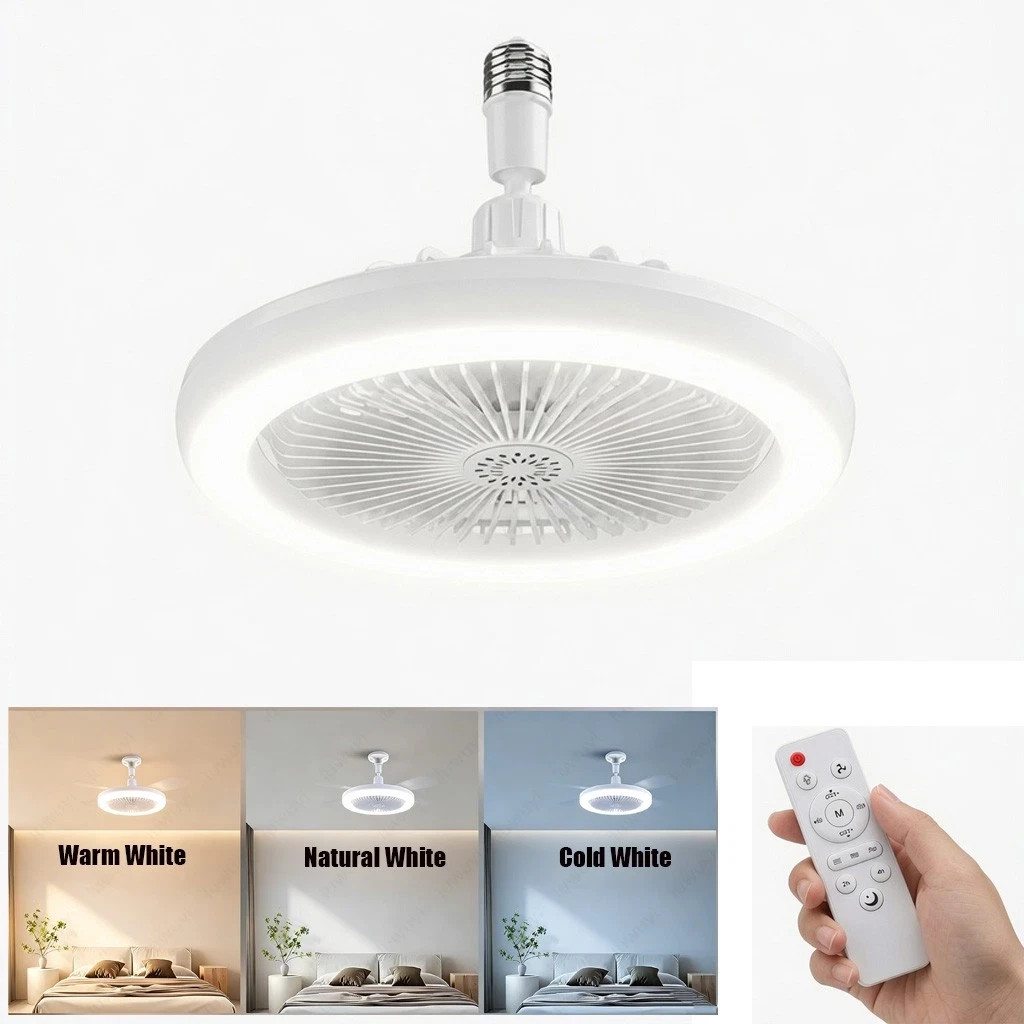 Dimmable Ceiling Fan with Lights and Remote Socket Fan light with Dimmable Led$9.99View on eBay
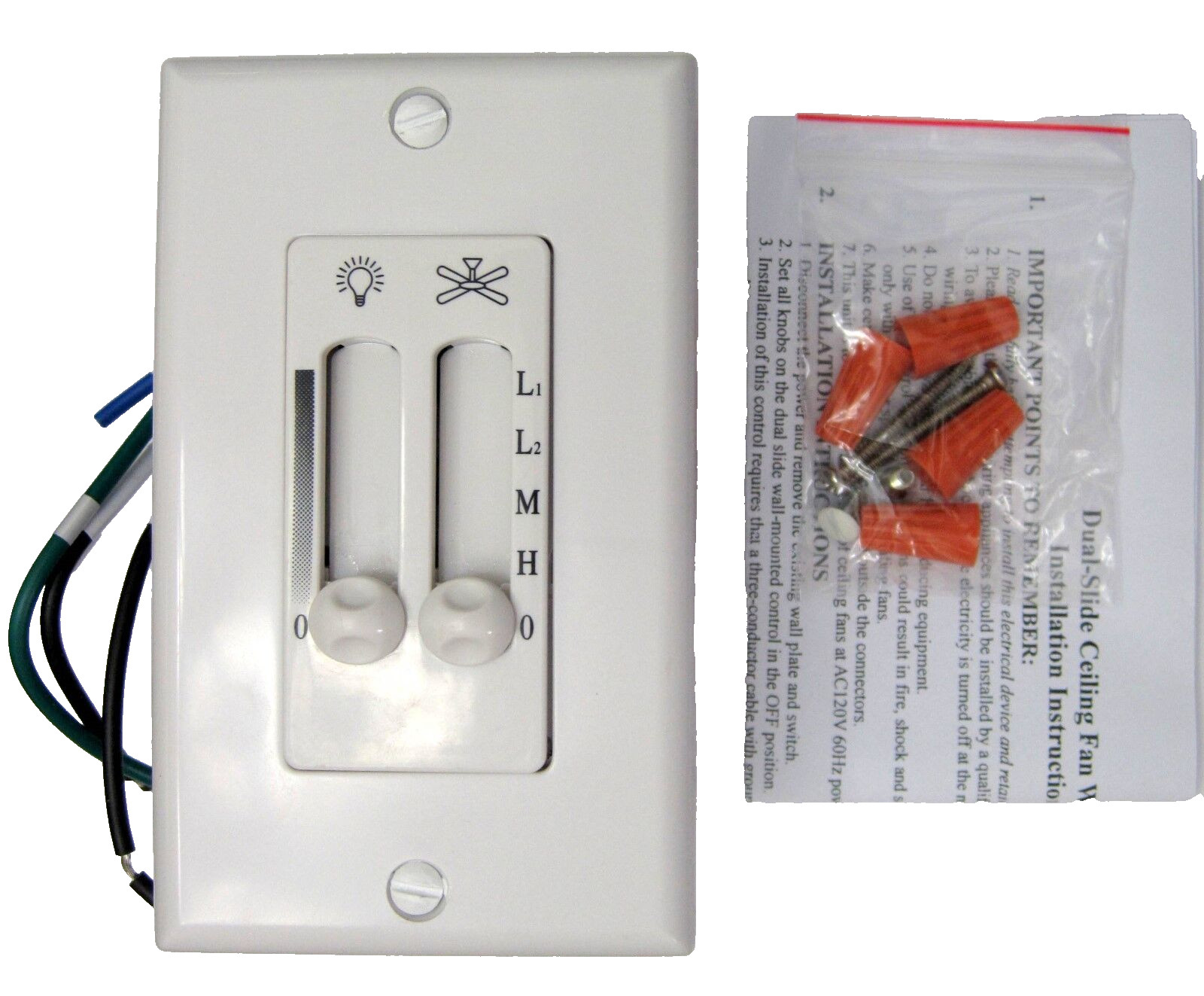 Ceiling Fan and Light Dual Slide Wall Control White$11.99View on eBay
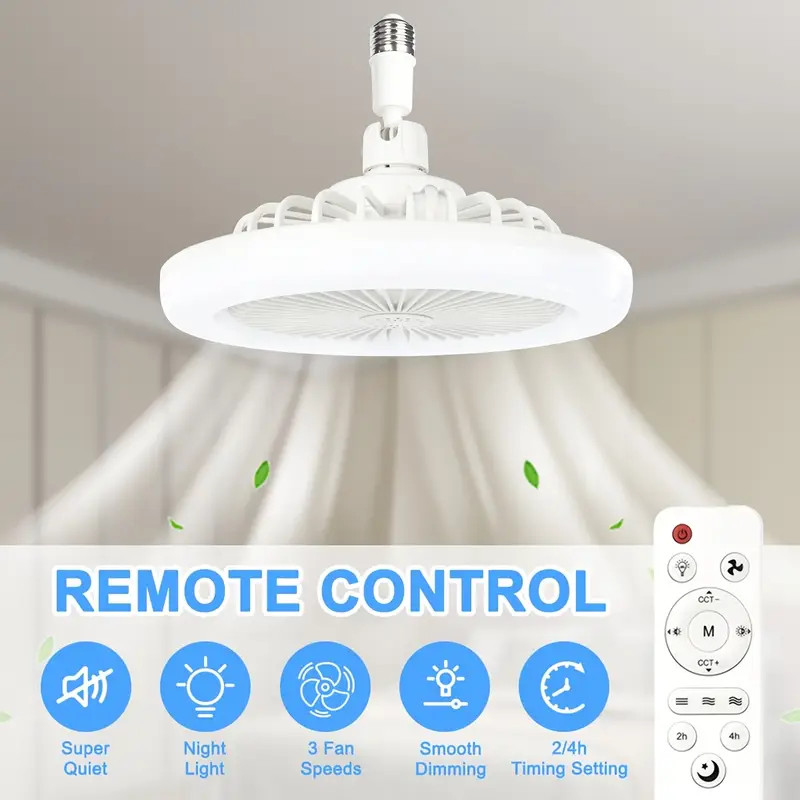 Dimmable Ceiling Fan with Lights and Remote Socket Fan light with Dimmable Led$12.38View on eBay
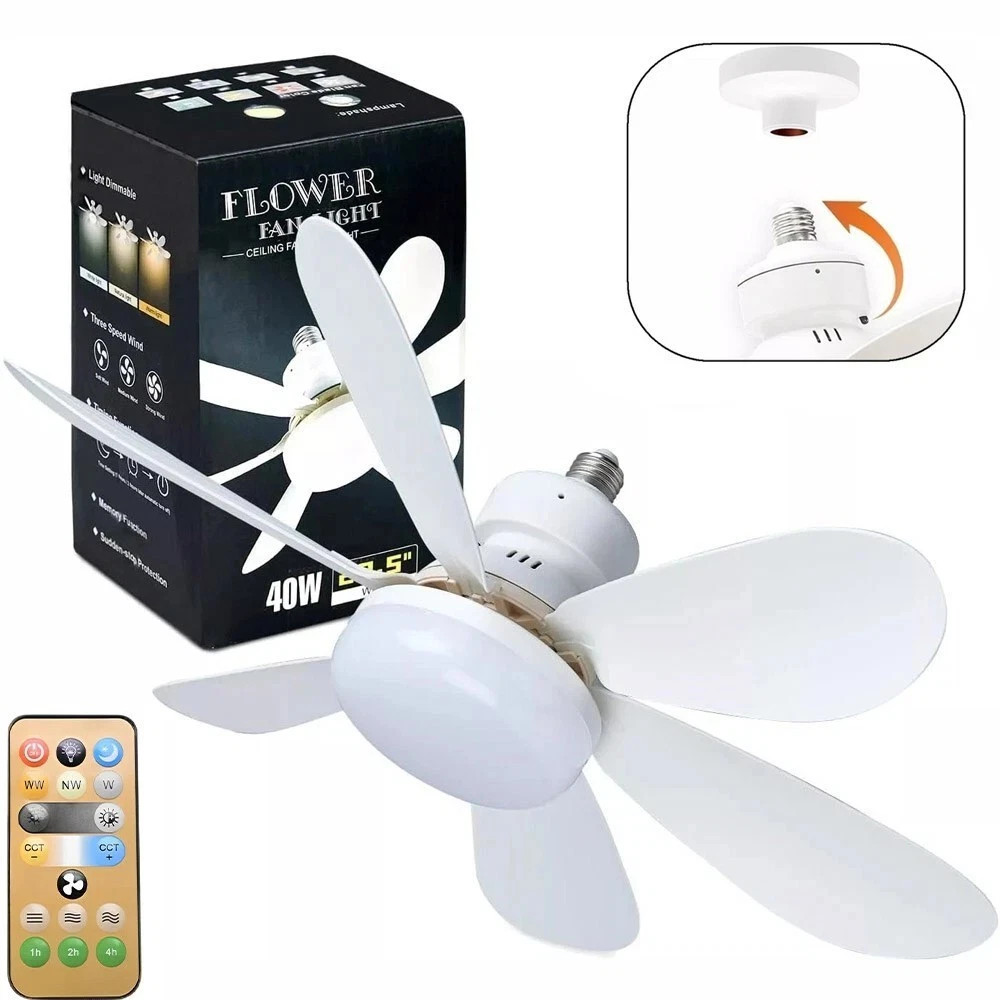 Socket Fan Light Ceiling Fans With Lights And Remote Dimmable LED Ceiling Fan US$12.88View on eBay
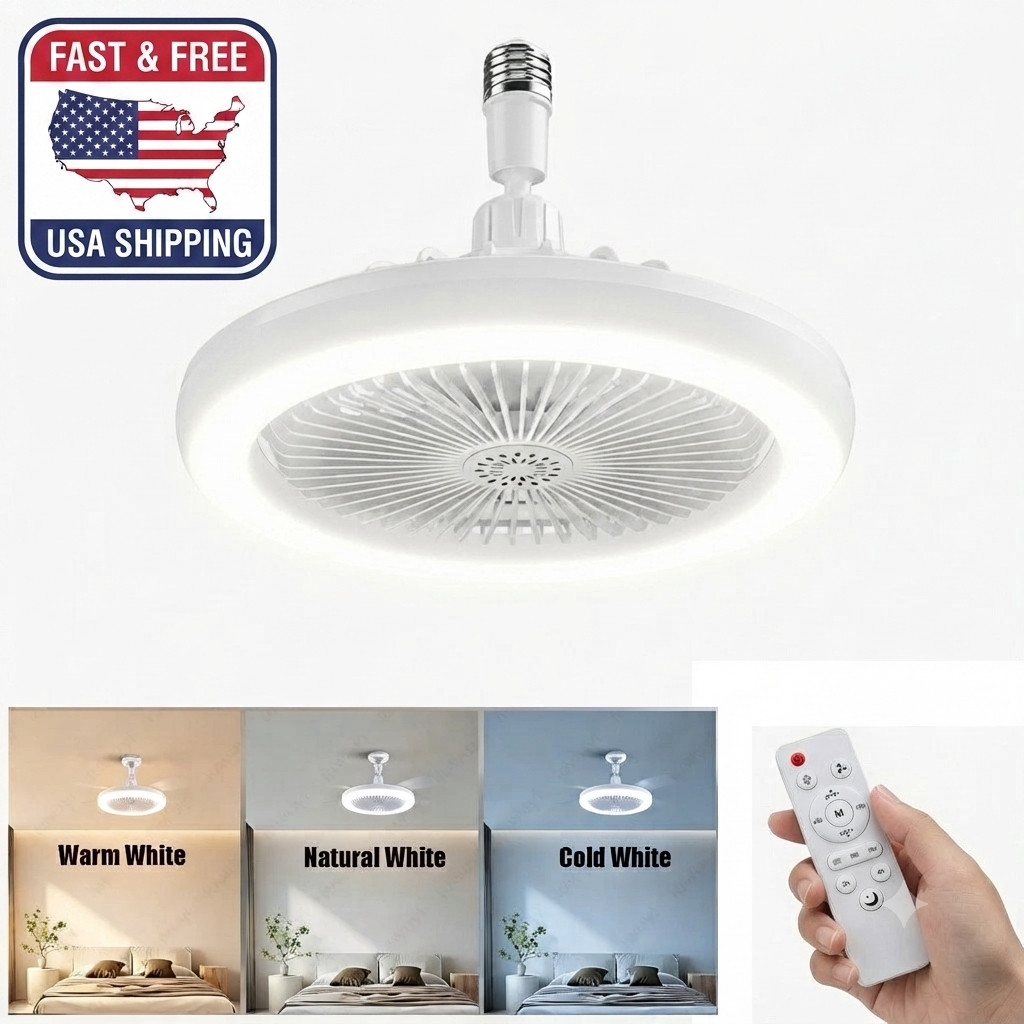 Dimmable Ceiling Fan with Lights and Remote Socket Fan light with Dimmable Led$12.88View on eBay
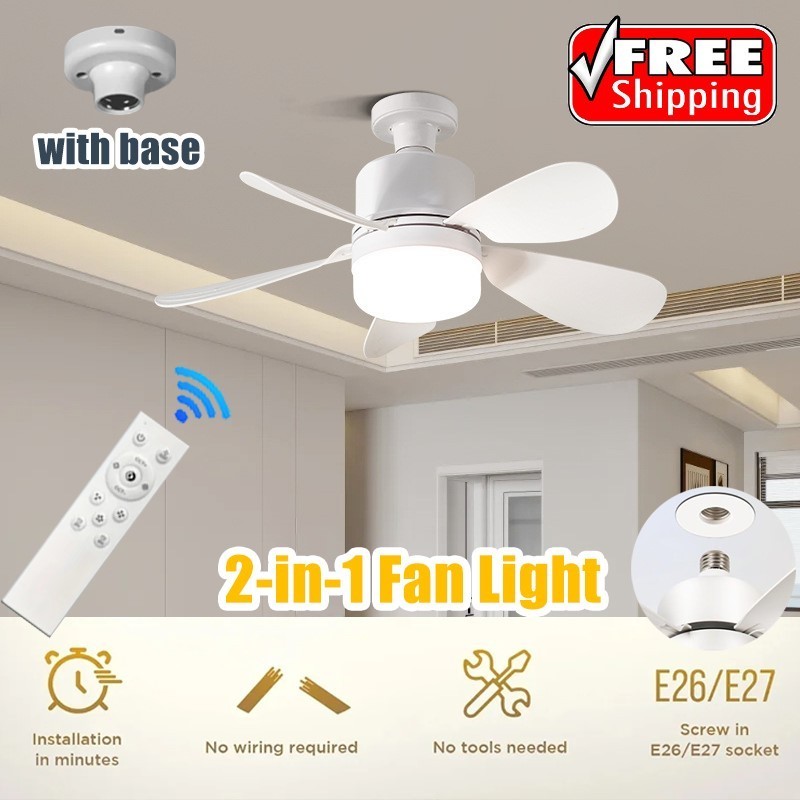 Socket Fan Light Ceiling Fans With Lights And Remote Dimmable LED Ceiling Fan US$13.85View on eBay
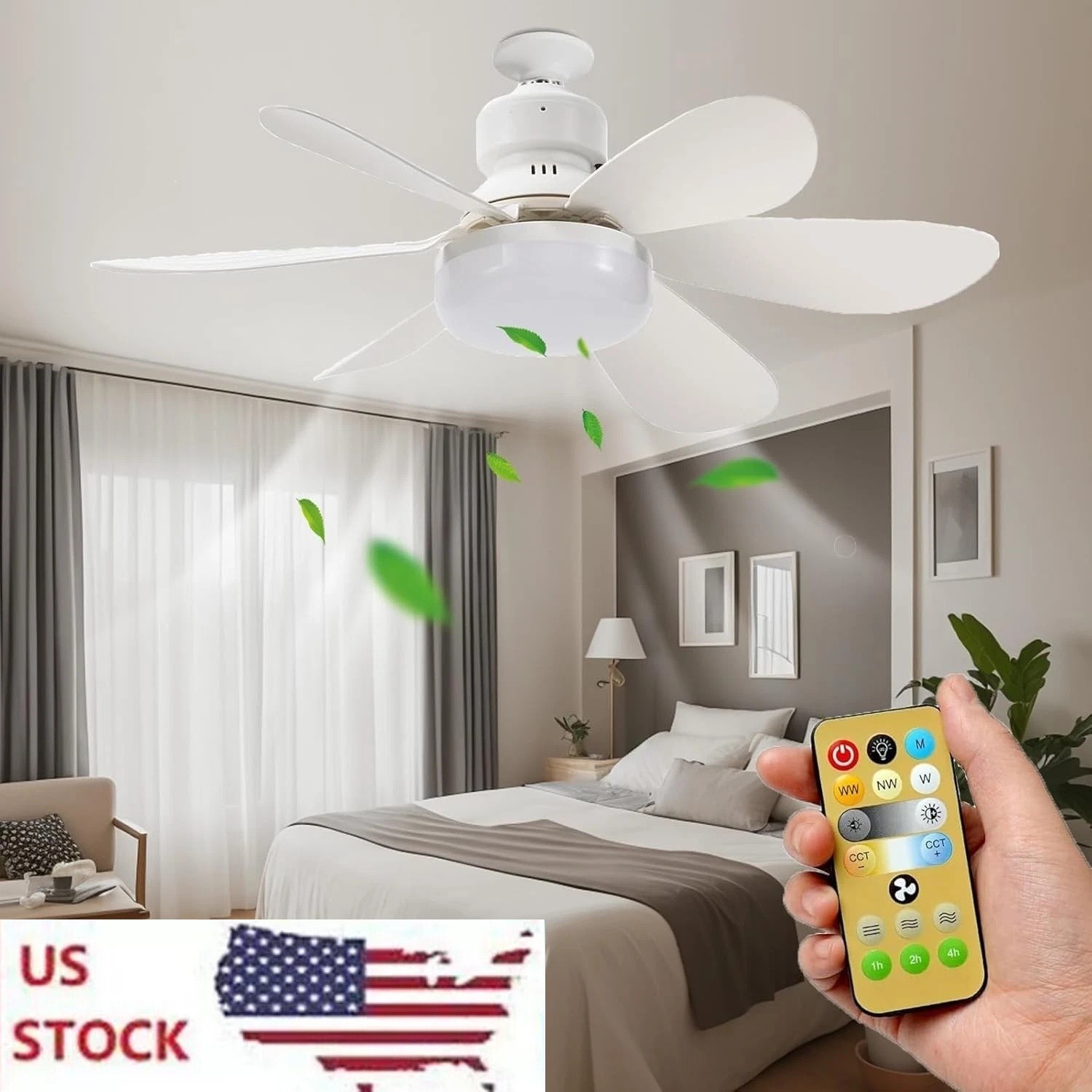 Socket Fan Light Ceiling Fans With Lights And Remote Dimmable LED Ceiling Fan US$14.89View on eBay
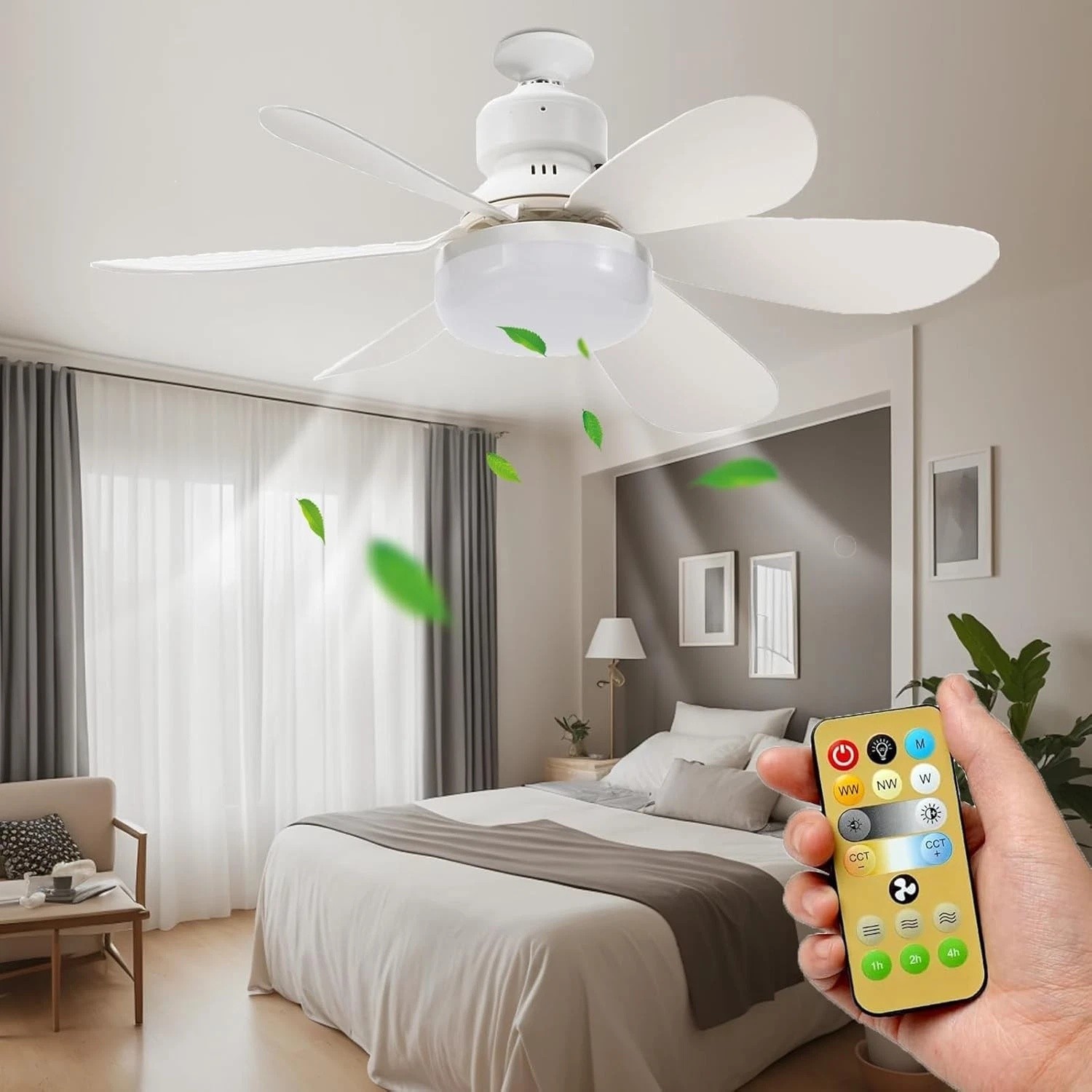 Socket Ceiling Fans with Lights and Remote- Socket Fan light with Dimmable Led$14.99View on eBay
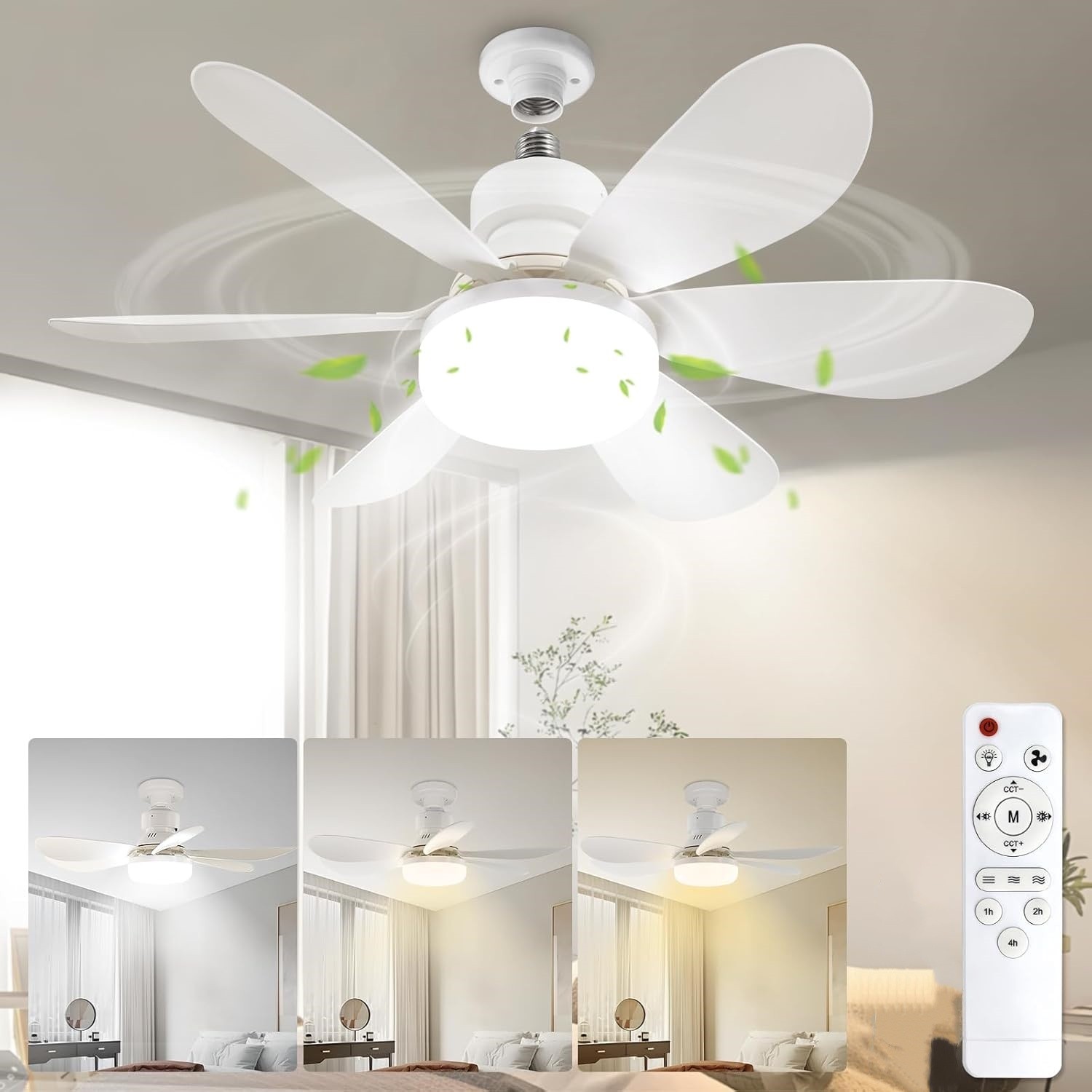 Socket Fan Light Ceiling Fans With Lights And Remote Dimmable LED Ceiling Fan US$15.38View on eBay
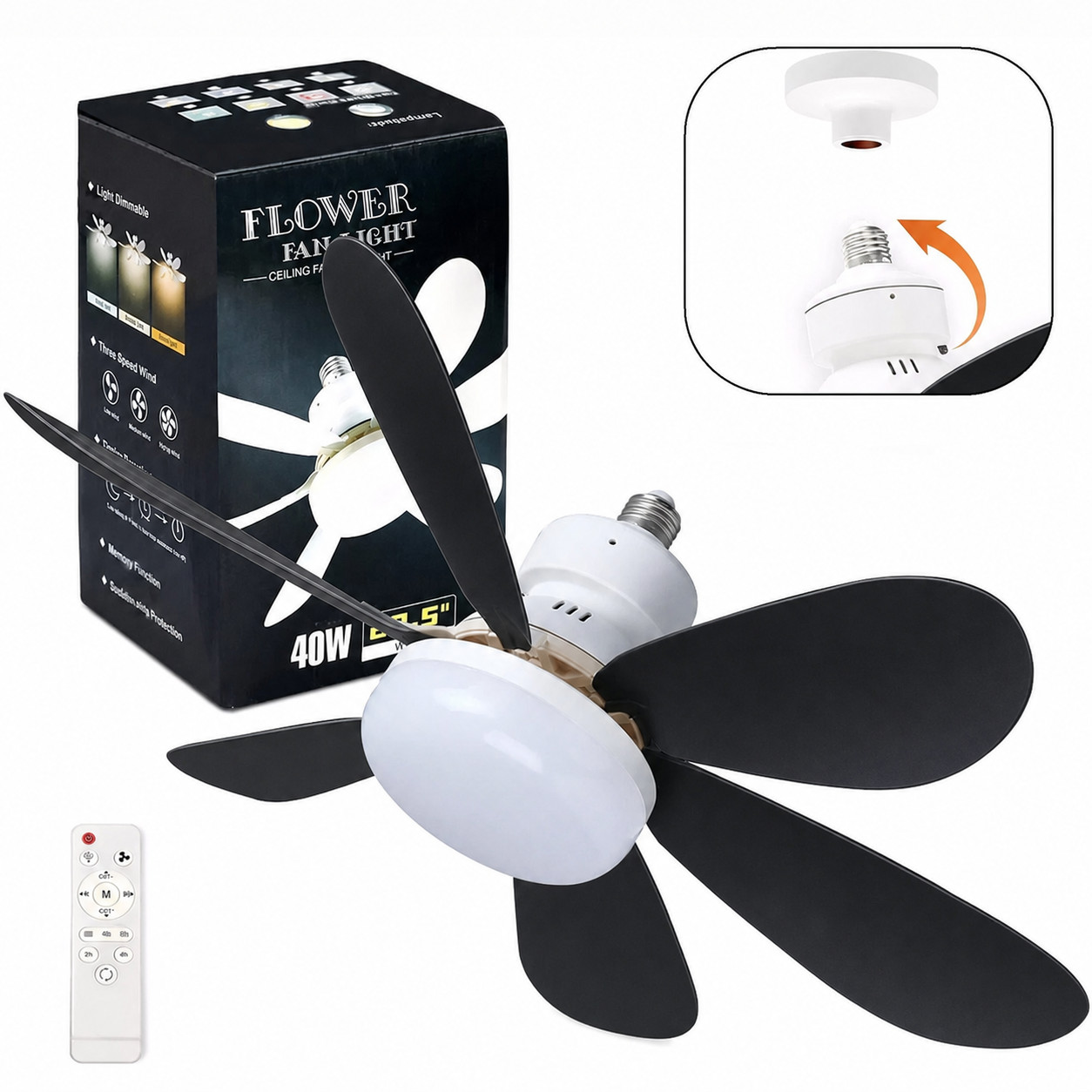 Socket Fan Light Ceiling Fans With Lights And Remote Dimmable LED Ceiling Fan US$15.99View on eBay
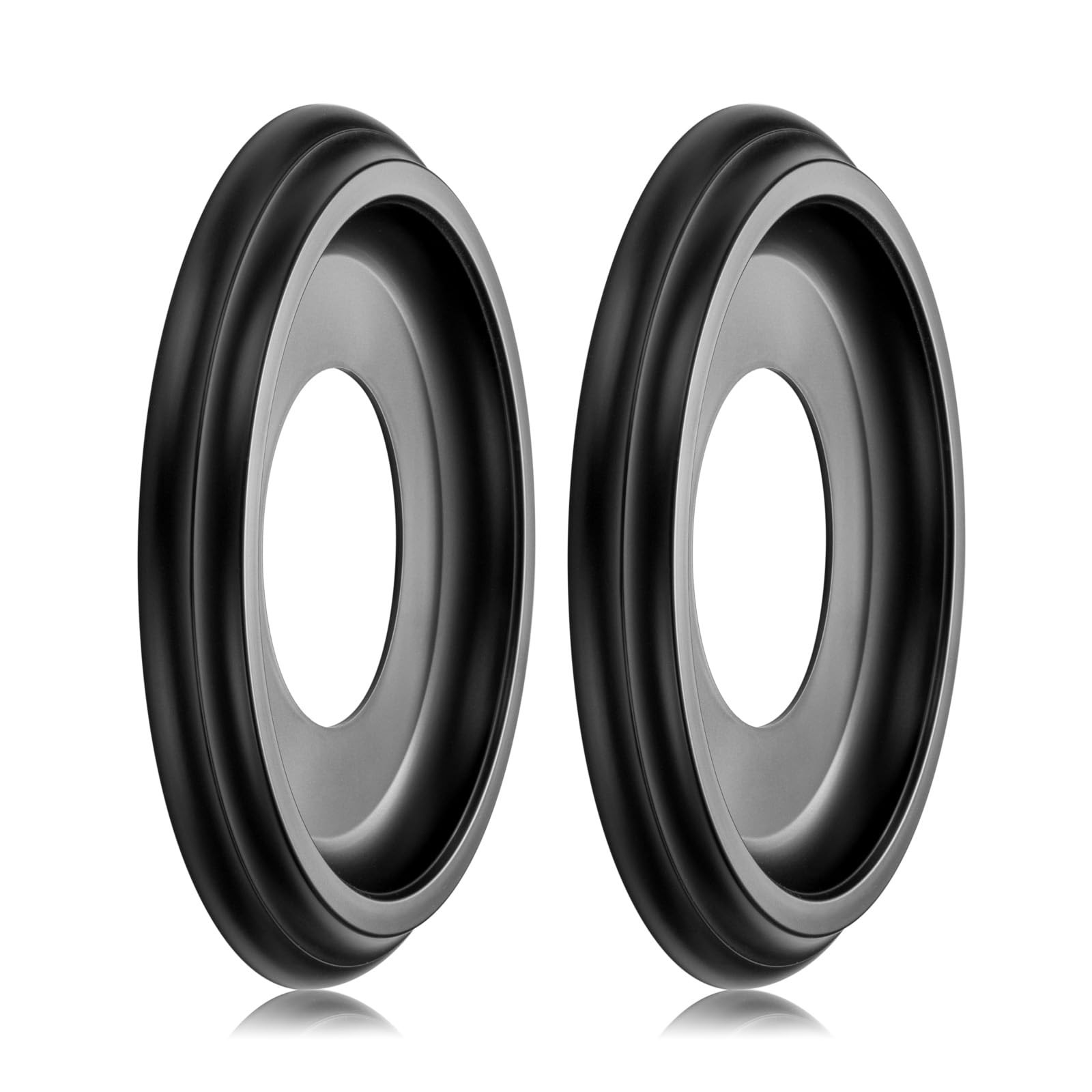 2 Packs Molded Nylon Ceiling Medallion For Light Fixtures And Ceiling Fans$31.98View on eBay
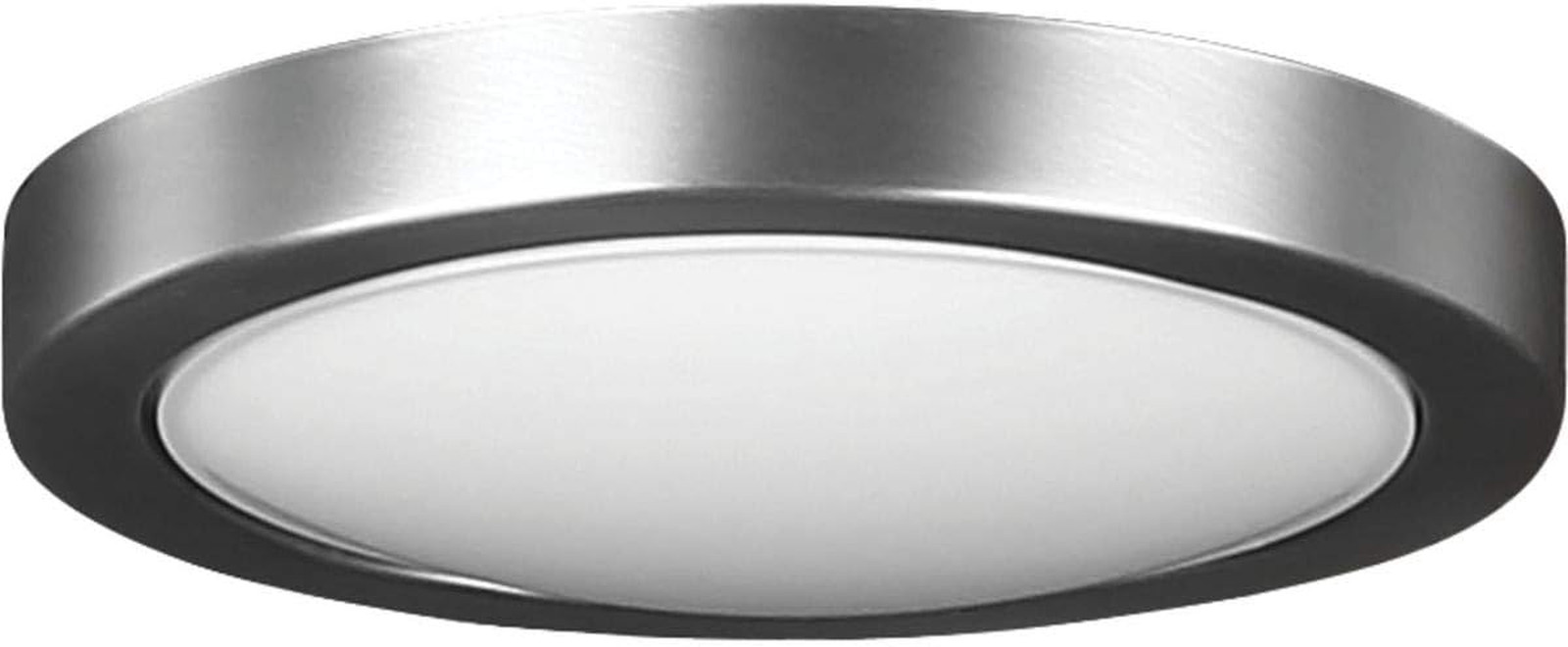 LED Ceiling Fan Light Kit for Use with Lindale Collection Ceiing, Integrated LED$142.99View on eBay
Highlights
- Bladed ceiling fans move air via blade span (30–52 in for bedrooms, 52–60 in for living rooms) while socket fan lights use 3–6 small ABS blades on a standard E26 base.
- DC motors run 40–70% more efficient than AC motors, are near-silent at low speed, and support 6-speed remotes; AC motors are cheaper but hum and offer only 3 speeds.
- Socket fan lights are limited to 60–100W socket circuits and typically deliver 800–1500 CFM, versus 3000–6000 CFM for a 52-in hardwired bladed fan.
- Dimmable LED arrays in fan lights require a compatible remote or wall control; dual-slide wall controls are separate hardwired accessories not included with socket models.
Best use cases
- Best fit: hardwired 52-in DC-motor bladed fan with integrated LED for bedrooms and living rooms with existing ceiling wiring and at least 7 ft clearance.
- Best fit: socket fan light screwed into an existing E26 ceiling socket for renters, dorms, or hallways where wiring a new fixture is not permitted.
- Wrong fit: socket fan light in a large open living room—its 800–1500 CFM will not circulate air across 300+ sq ft; step up to a 52–60 in bladed fan.
- Wrong fit: any ceiling fan in a room with less than 7 ft floor-to-blade clearance or a ceiling slope over 15 degrees without a slope-capable mount.
Buying tips
- Size by room: up to 75 sq ft use 30–36 in, 76–144 sq ft use 36–42 in, 145–225 sq ft use 44–50 in, and 226+ sq ft use 52–60 in blade span.
- Choose a DC motor over AC for bedroom or living-room use—DC delivers 6 speeds, silent low-speed operation, and lower electricity draw at comparable CFM.
- Confirm the socket fan light's base is E26 (standard US medium) and that its remote dimming works with your existing LED-compatible dimmer or wall switch.
- For sloped or high ceilings, select a fan with a downrod or slope mount rated for your pitch; flush-mount socket fans suit flat ceilings only.
Specs
| Fan Type | Socket fan light vs hardwired bladed |
|---|---|
| Motor Type | DC (6-speed) vs AC (3-speed) |
| Blade Span | 30–60 in (room-size matched) |
| Socket Base | E26 medium standard (US) |
Related searches
What to check before buying
- Measure floor-to-ceiling height: blades must sit at least 7 ft above the floor, and 8–9 ft ceilings suit flush or short-downrod mounts.
- Verify ceiling junction-box rating: hardwired fans require a fan-rated electrical box supporting the fixture's full weight, not a standard light box.
- Check socket fan light compatibility with your existing E26 socket and confirm the fixture's weight does not exceed the socket's rated load.
- Confirm remote or wall-control requirements and whether a dual-slide wall control must be purchased separately from the fan.
FAQ
Data sources: eBay / Amazon listings and product attribute feeds. Updated Nov 22, 2026.
Some links on this page are affiliate links. If you buy after clicking one, we may earn a commission at no extra cost to you. This does not change which products appear here or their order. Affiliate disclosure.