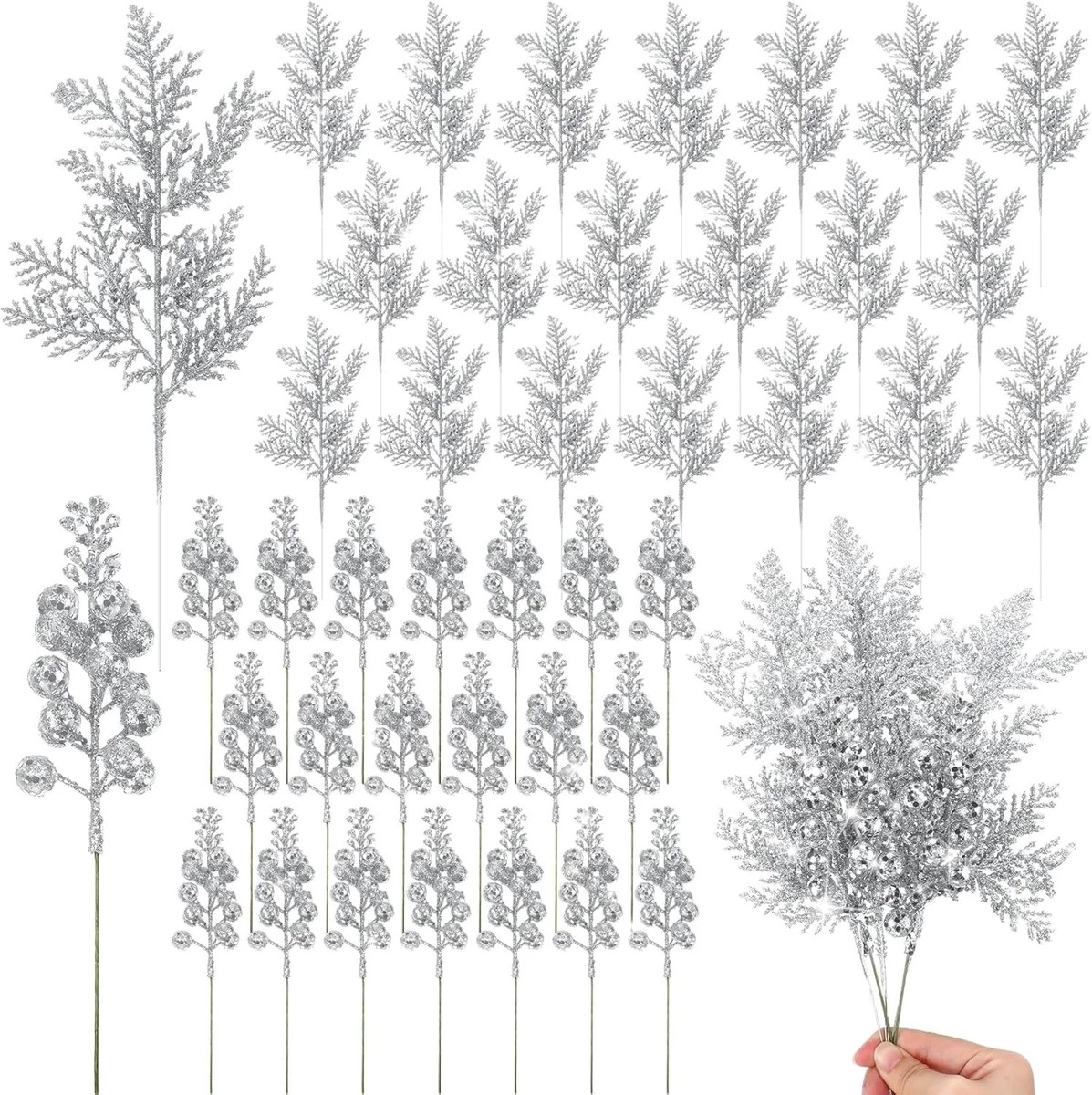

Photos from current listings. Actual item, color, and included accessories may vary.
Artificial Tree Without Light Buying Guide
Unlit artificial trees are a structural and material purchase, not a lighting one: you are choosing a foliage density, branch architecture, and fire-rated construction that will hold shape and color for years. The key trade-off is between cheap PVC needle trees that shed and crush versus realistic PE-molded or blended foliage on a steel hinge frame. Buy the tree whose unlit silhouette and branch count you would accept bare — lights and ornaments only mask a sparse, flimsy core.
At a glance
- Category
- Artificial Plants & Flowers
- Last updated
- Nov 22, 2026
Current offers

Highlights
- Foliage material splits into three tiers: flat PVC needles (cheapest, shiniest, sheds), PE-molded branch tips (realistic, UV-stable), and PVC/PE blends where PE tips front the tree and PVC fills the interior
- Hinged steel frames with welded branch collars set up in minutes and hold heavy ornaments; wrapped-wire or hook-on branches are cheaper but sag and fatigue after a few seasons
- Tip count drives fullness more than height: a 7.5 ft tree needs roughly 1,000–1,500 tips for a full look, while budget trees at the same height often list 600–800
- Fire safety is a construction spec, not a label claim: look for flame-retardant treated needles and a metal-stem tree rated for indoor use, and never assume an unmarked import is fire-retardant
Best use cases
- Best fit: a 7.5 ft hinged PE/PVC-blend tree with 1,200+ tips for a living room where the bare tree is visible for weeks before decorating — skip 600-tip PVC trees that look thin unlit.
- Best fit: a compact 4–5 ft unlit tree or tabletop tree for apartments and secondary rooms where storage space and setup time matter more than ornament load — choose hinged over hook-on.
- Wrong fit: buying an unlit tree to save money if you will immediately add strands — pre-lit trees cost less than a comparable unlit tree plus quality lights and save hours of wiring.
- Wrong fit: an outdoor-rated expectation for a standard indoor tree — unlit indoor trees are not UV- or weather-stable unless explicitly built for porch use, and will fade and rust.
Buying tips
- Match height to ceiling minus topper: a 7.5 ft tree needs a 9 ft ceiling; a 9 ft tree needs 10–11 ft, so measure before choosing the tallest option that fits.
- Use tip density as the fullness metric: aim for 1,000–1,500 tips at 7.5 ft, and treat anything under 800 tips at that height as a sparse tree that needs heavy ornament coverage.
- Choose hinged construction for any tree 6 ft and taller — hook-on and wrapped branches take far longer to shape and lose form season after season.
- For realistic look, prioritize PE-molded outer tips with PVC fill; for budget and volume, all-PVC is acceptable but expect a glossier, less natural silhouette.
Specs
| Foliage Material | PVC / PE-molded / PE-PVC blend |
|---|---|
| Branch Construction | Hinged steel / hook-on / wrapped wire |
| Tip Density (7.5 ft) | 1,000–1,500 tips (full) |
| Fire Rating | Flame-retardant treated needles |
Related searches
What to check before buying
- Measure ceiling height and subtract 6–12 in for topper and stand clearance before selecting tree height.
- Confirm floor space and doorway width accommodate the tree's spread (typically 45–60 in at 7.5 ft) and that the storage box fits your closet.
- Verify the tree is labeled flame-retardant and intended for indoor use, with a metal stem and stand — critical for real candles, fireplaces, and dry winter air.
- Check branch tip material (PE vs PVC) and count on the spec sheet, plus whether the stand is included or sold separately.
FAQ
Data sources: eBay / Amazon listings and product attribute feeds. Updated Nov 22, 2026.
Some links on this page are affiliate links. If you buy after clicking one, we may earn a commission at no extra cost to you. This does not change which products appear here or their order. Affiliate disclosure.