
Photos from current listings. Actual item, color, and included accessories may vary.
Artificial Indoor Plant Buying Guide
Artificial indoor plants are lifelike faux trees, shrubs, and succulents used to add greenery without light, water, or maintenance. The primary trade-off is material realism and UV stability versus cost: polyethylene (PE) and silk blends resist fading and hold shape, while cheap polyester and PVC look glossy and flatten. Choose PE or silk foliage with weighted bases and anti-tip hardware for durable displays; skip lightweight plastic stems and unsealed fabric for long-term indoor use.
At a glance
- Category
- Artificial Plants & Flowers
- Last updated
- Nov 22, 2026
Current offers
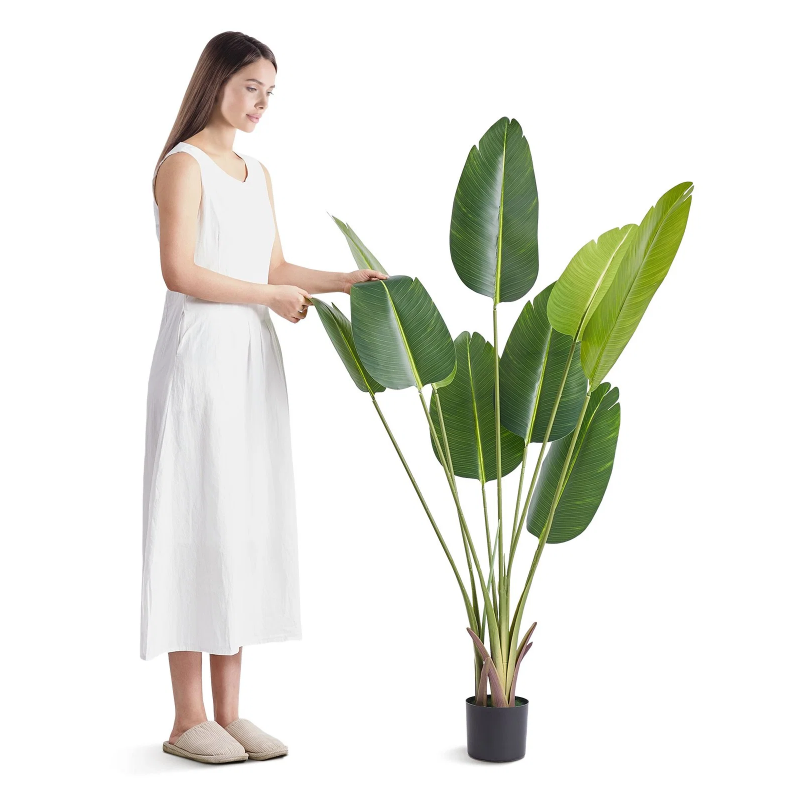 Artificial Birds Of Paradise Tree, 5 FT Tall Faux Plant, PE Material & Anti-Tip Tilt Protection Low-Maintenance Lifelike Green Fake For Home Office Warehouse Decor Indoor Outdoor$36.99View on Mallflare
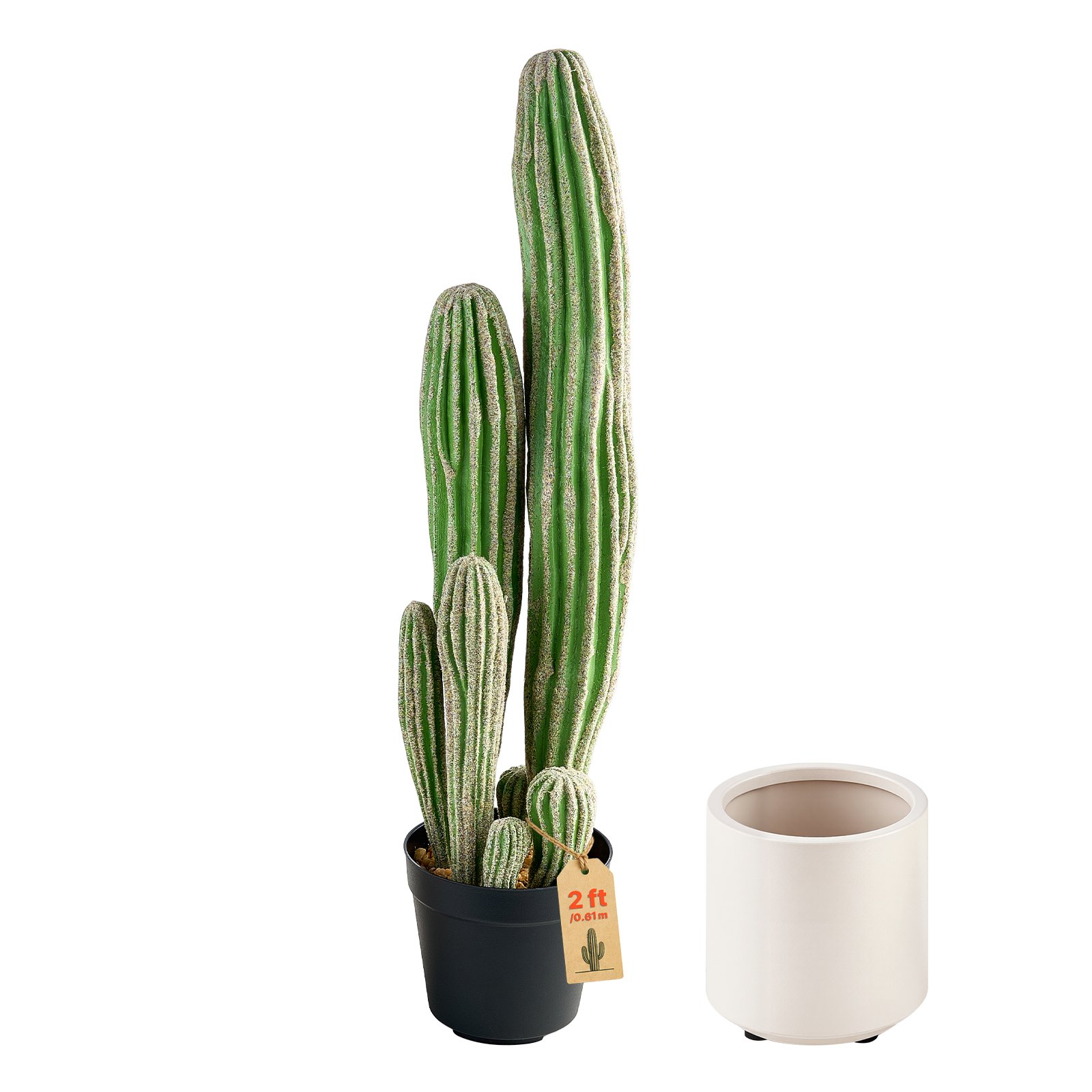 Artificial Cactus, 24 in Tall Fake Plant with White Pot 1 Pack, for Home, Garden, Office, Living Room, Bedroom Indoor Decoration, Realistic Texture Large Faux Decor Premium HDPE$43.99View on Mallflare
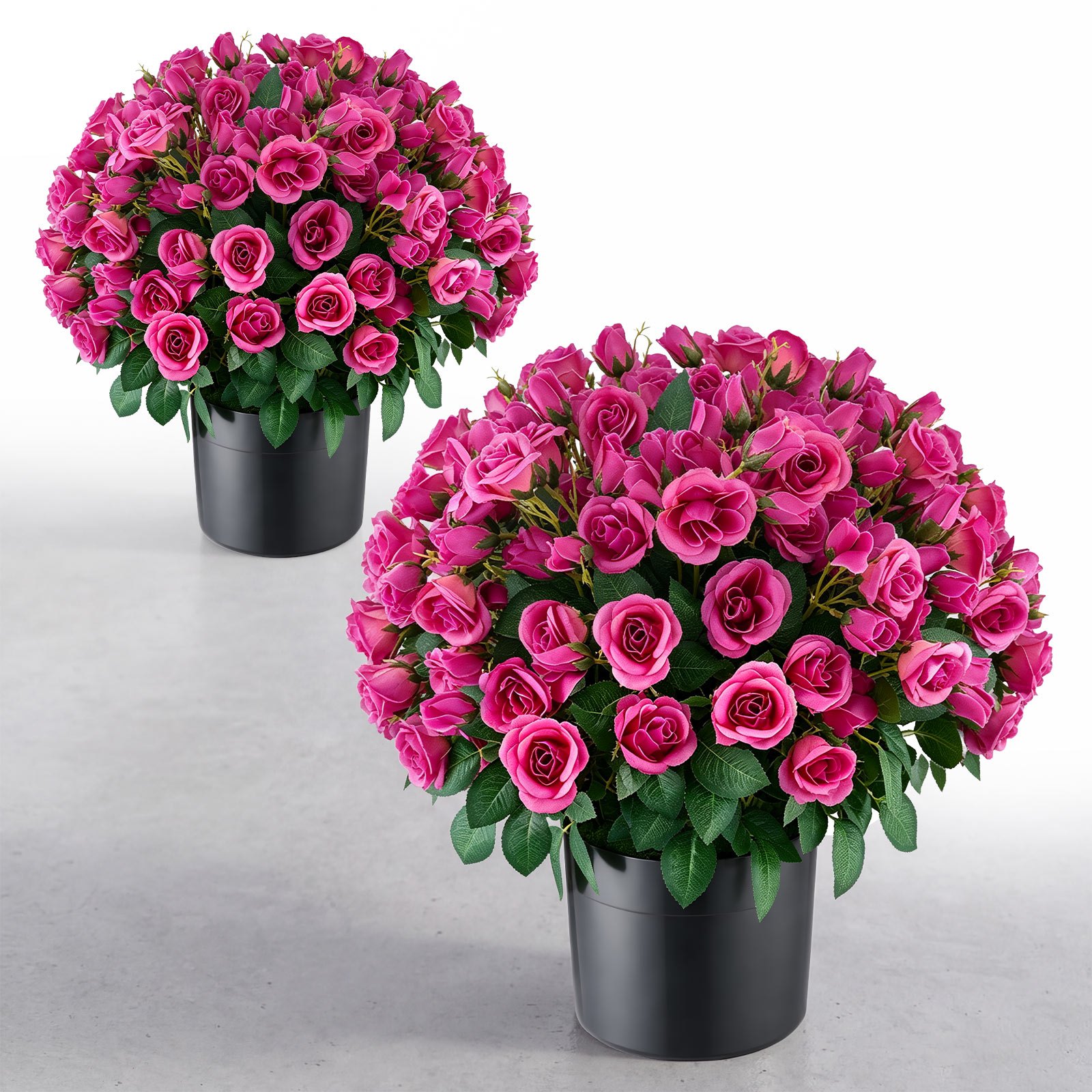 Artificial Potted Flowers 18 in 2-Pack Fake Flower Plants Rose Red, for Porch, Patio, Entryway, & Home Decor, Indoor & Outdoor Use, Silk and PE Blooms in Pots, Ready to Display Faux$49.99View on Mallflare
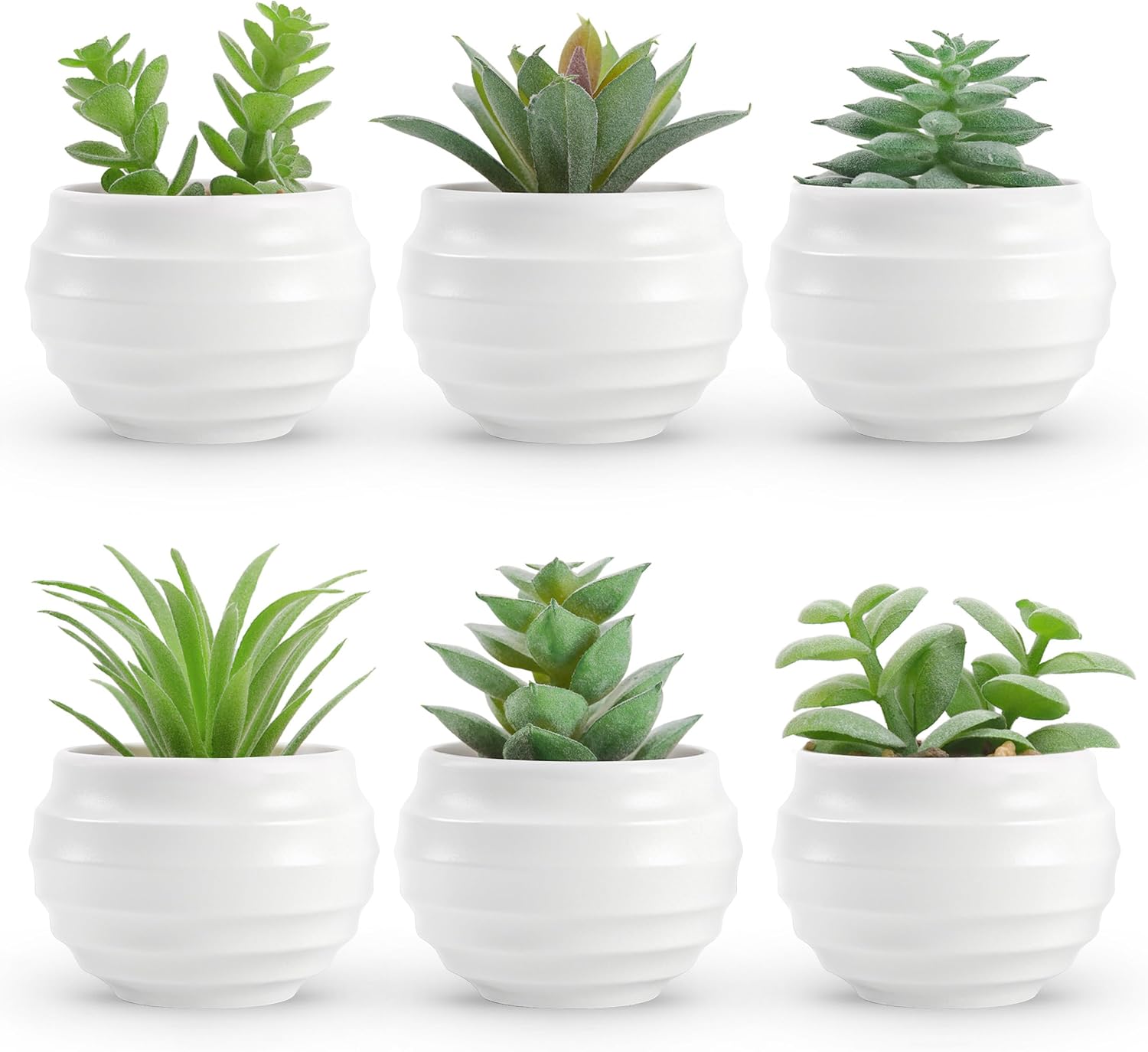 6 Pack Fake Succulent Plants, Artificial Mini Succulents For Bedroom, Bathroom, Home, Office, Desk, Shelf & Indoor Decor$55.99View on Mallflare
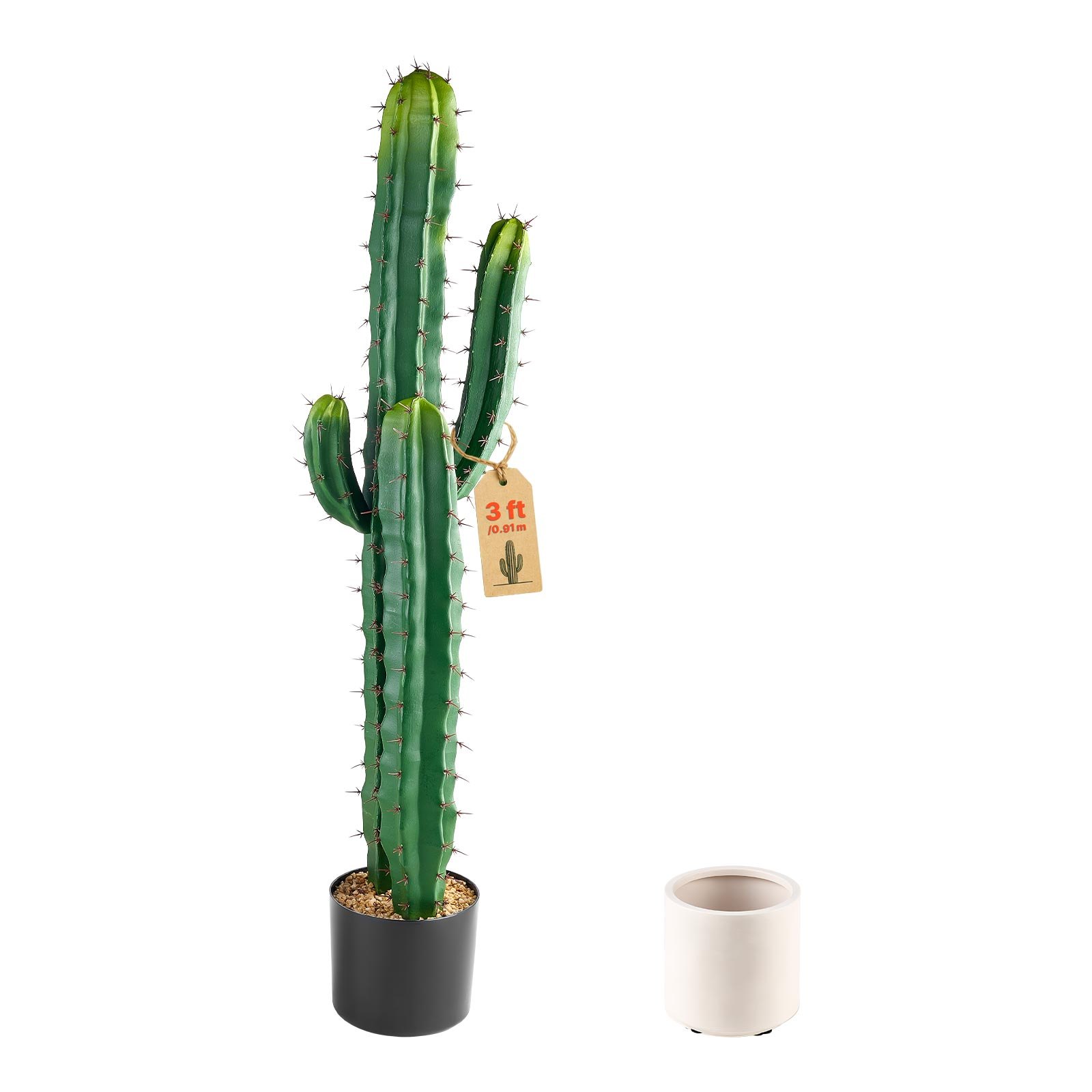 Artificial Cactus, 36 in Tall Fake Plant with White Pot 1 Pack, for Home, Garden, Office, Living Room, Bedroom Indoor Decoration, Realistic Texture Large Faux Decor Premium HDPE$58.99View on Mallflare
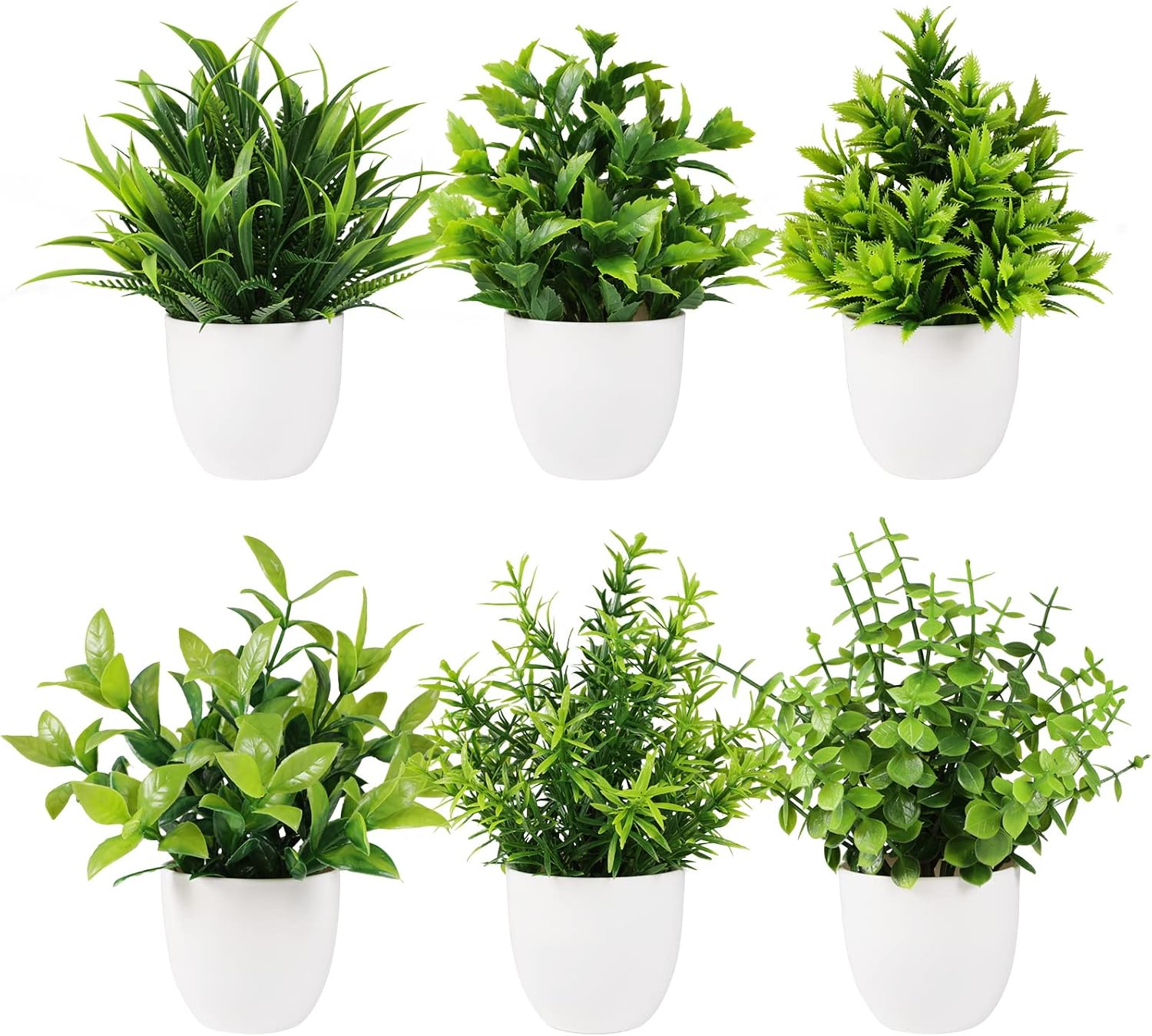 Artificial Potted Plants 6 Units, Small Faux Greenery For Home, Office, Desk, Table, Bathroom And Indoor Decor$60.99View on Mallflare
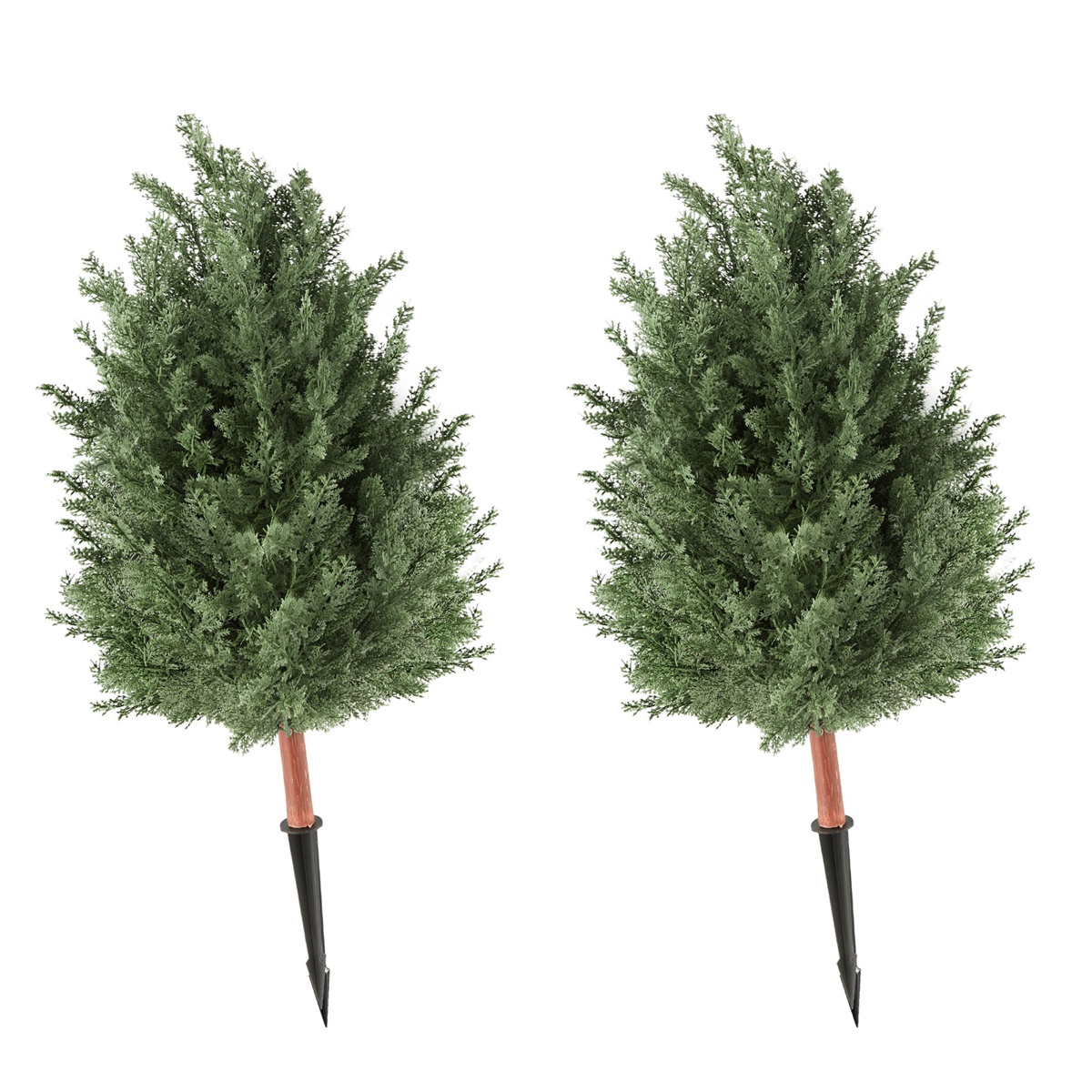 Artificial Topiary Cedar Bush 3 Ft Set Of 2 Greenery Fake Shrubs, PE Faux Trees With Ground Spikes, Indoor & Outdoor Green Plant For Front Door, Entryway, Porch, Balcony, Patio, Garden$65.99View on Mallflare
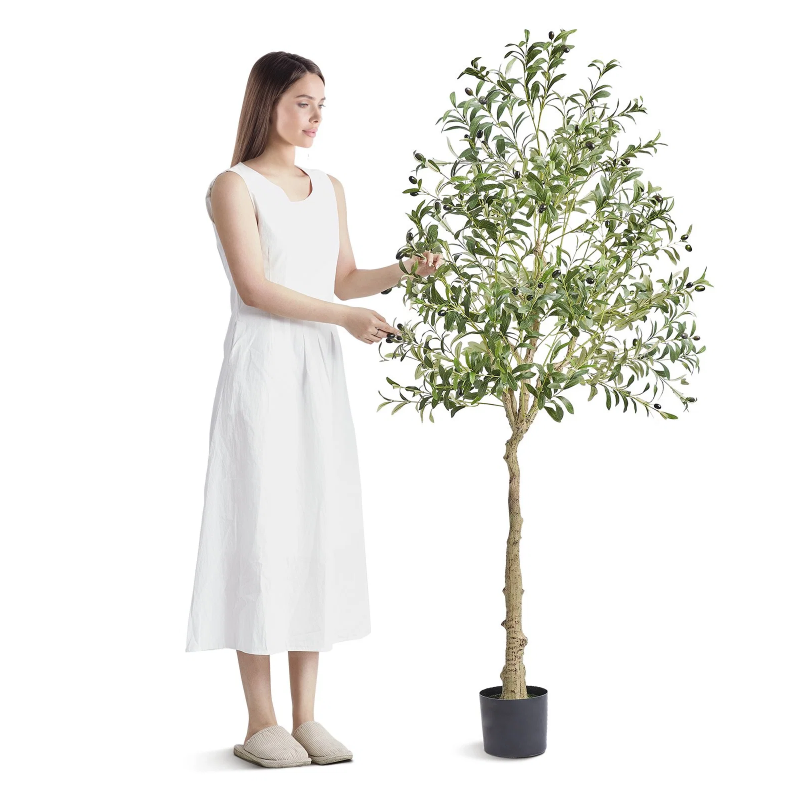 Artificial Olive Tree, 6 FT Tall Faux Plant, Secure PE Material & Anti-Tip Tilt Protection Low-Maintenance Lifelike Green Fake Potted For Home Office Warehouse Decor Indoor Outdoor$66.99View on Mallflare
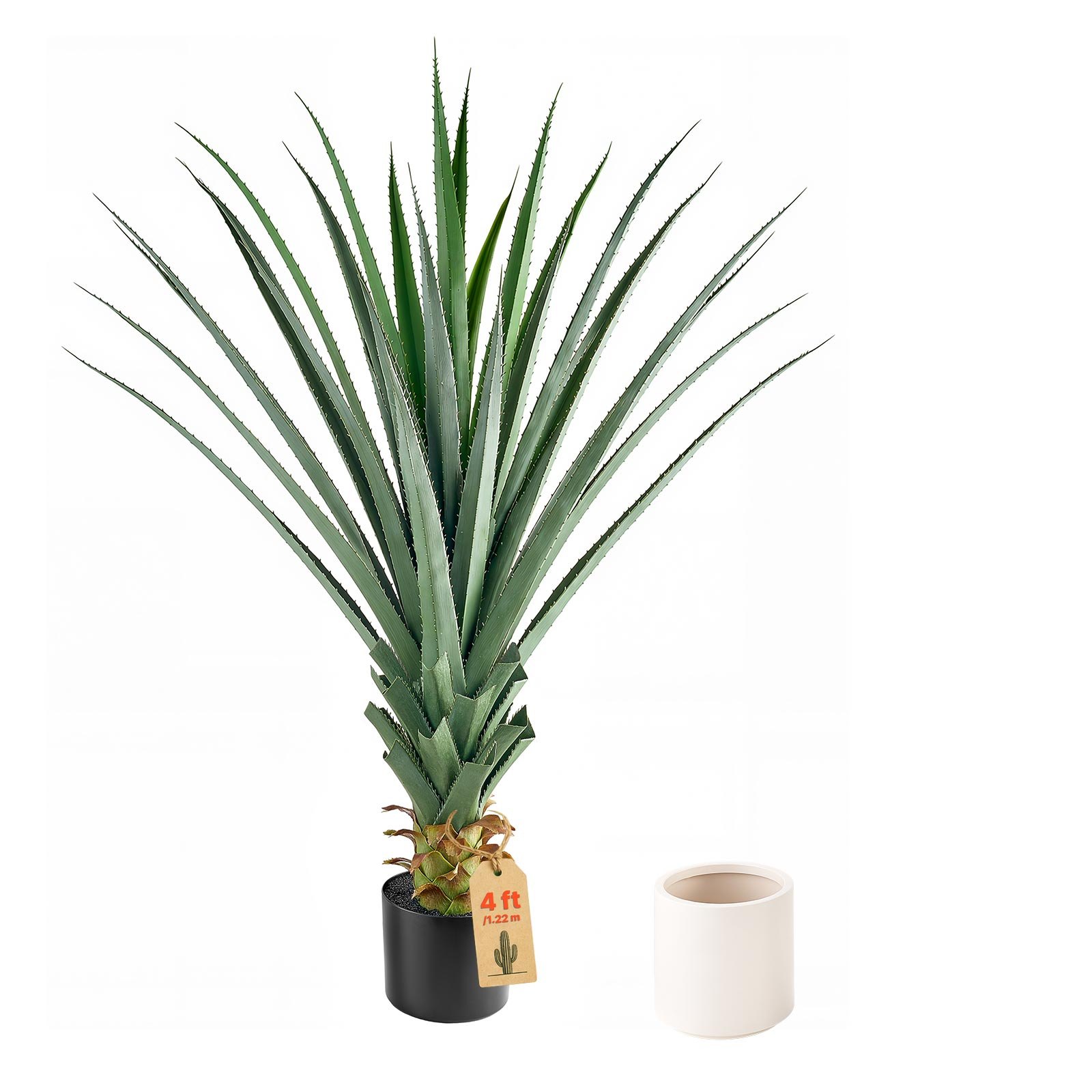 Artificial Agave, 48 in Tall Fake Plant with White Pot 1 Pack, Sun-Resistant for Home, Garden, Office, Store, Living Room, Porch, Indoor & Outdoor Decor, Realistic Texture Faux$68.99View on Mallflare
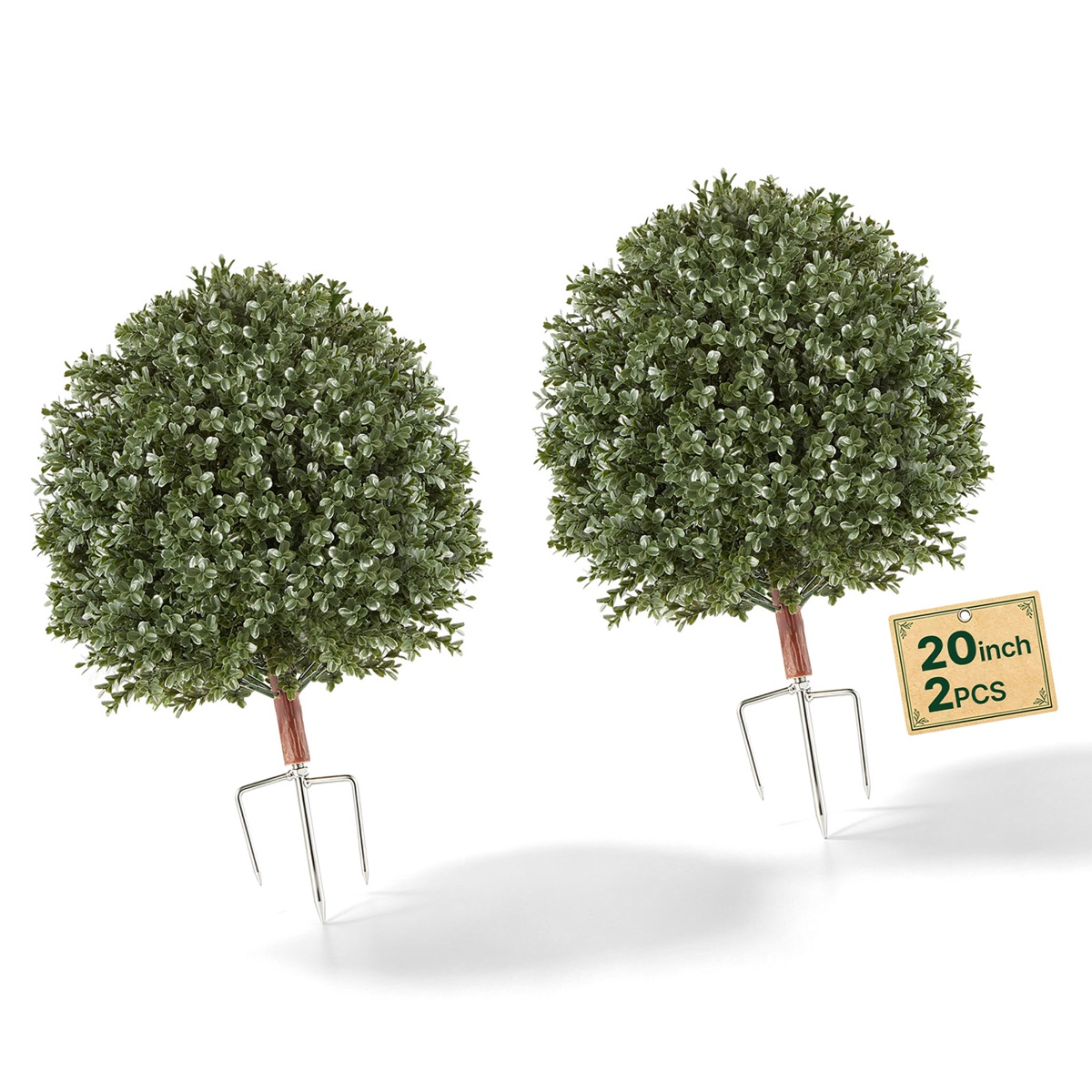 Artificial Topiary Ball Boxwood Bush 20 In Set Of 2 Green Fake Shrubs, PE Faux Trees With Metal Ground Spikes, Indoor & Outdoor Plant For Front Door, Entryway, Porch, Balcony, Patio, Garden$68.99View on Mallflare
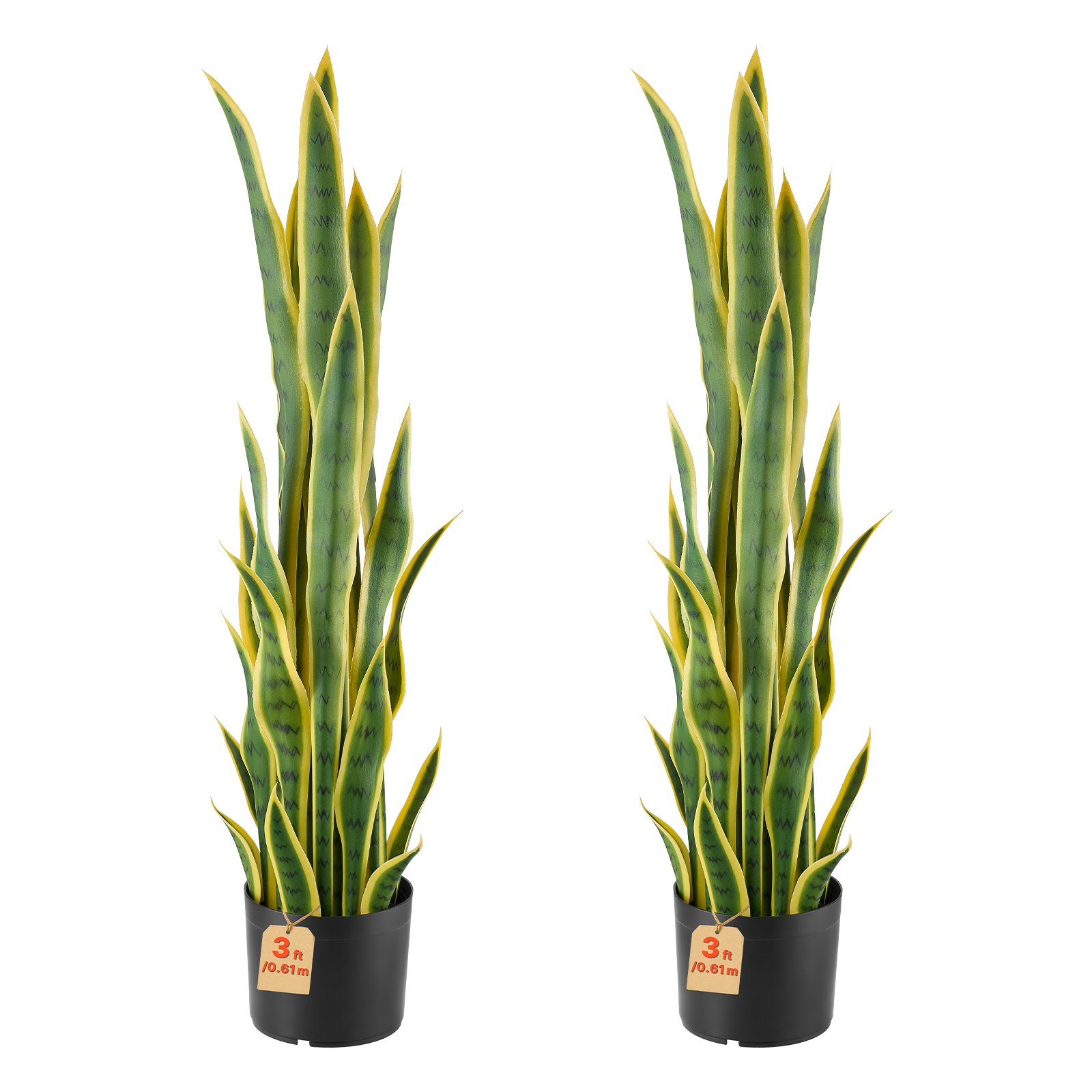 Artificial Snake Plant, 3FT 2 PCS in Fake Plants with White Pot, for Home, Garden, Office, Porch, Indoor & Outdoor Decor, Realistic Texture Faux Sansevieria, Premium HDPE, Sun-Resistant$68.99View on Mallflare
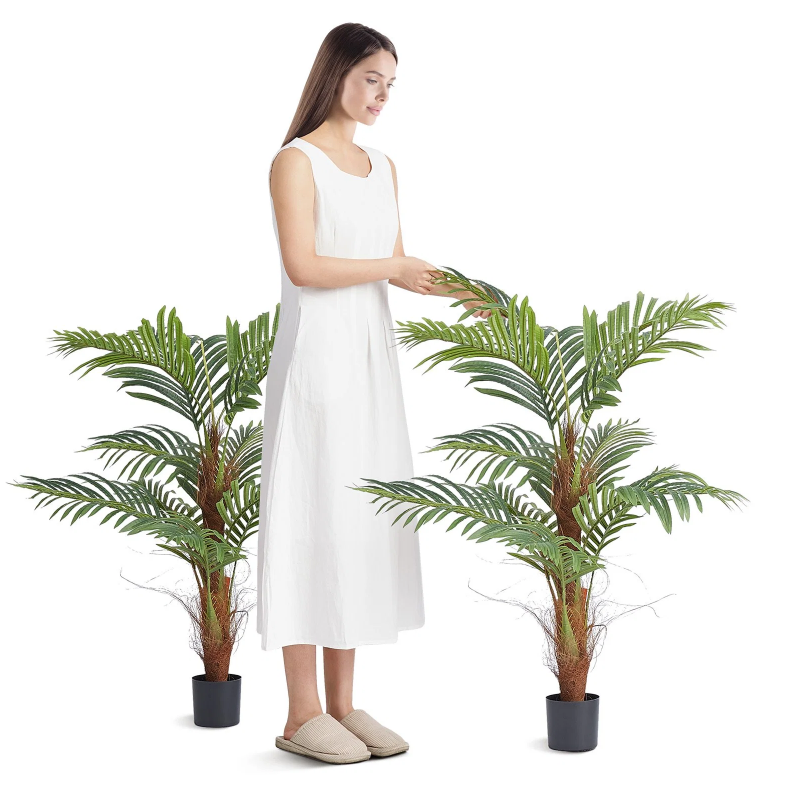 Artificial Palm Tree, 4 FT Tall Faux Plant, Secure PE Material & Anti-Tip Tilt Protection Low-Maintenance Lifelike Green Fake For Home Office Warehouse Decor Indoor Outdoor$70.99View on Mallflare
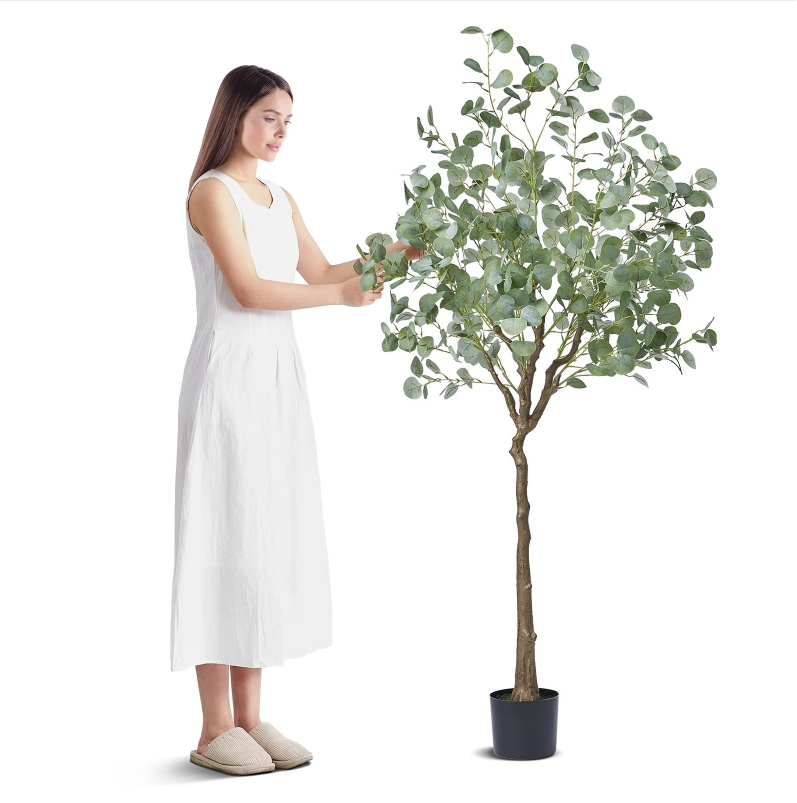 Artificial Eucalyptus Tree, 6 FT Tall Faux Plant, Secure PE Material & Anti-Tip Tilt Protection Low-Maintenance Lifelike Green Fake Potted For Home Office Decor Indoor Outdoor$71.99View on Mallflare
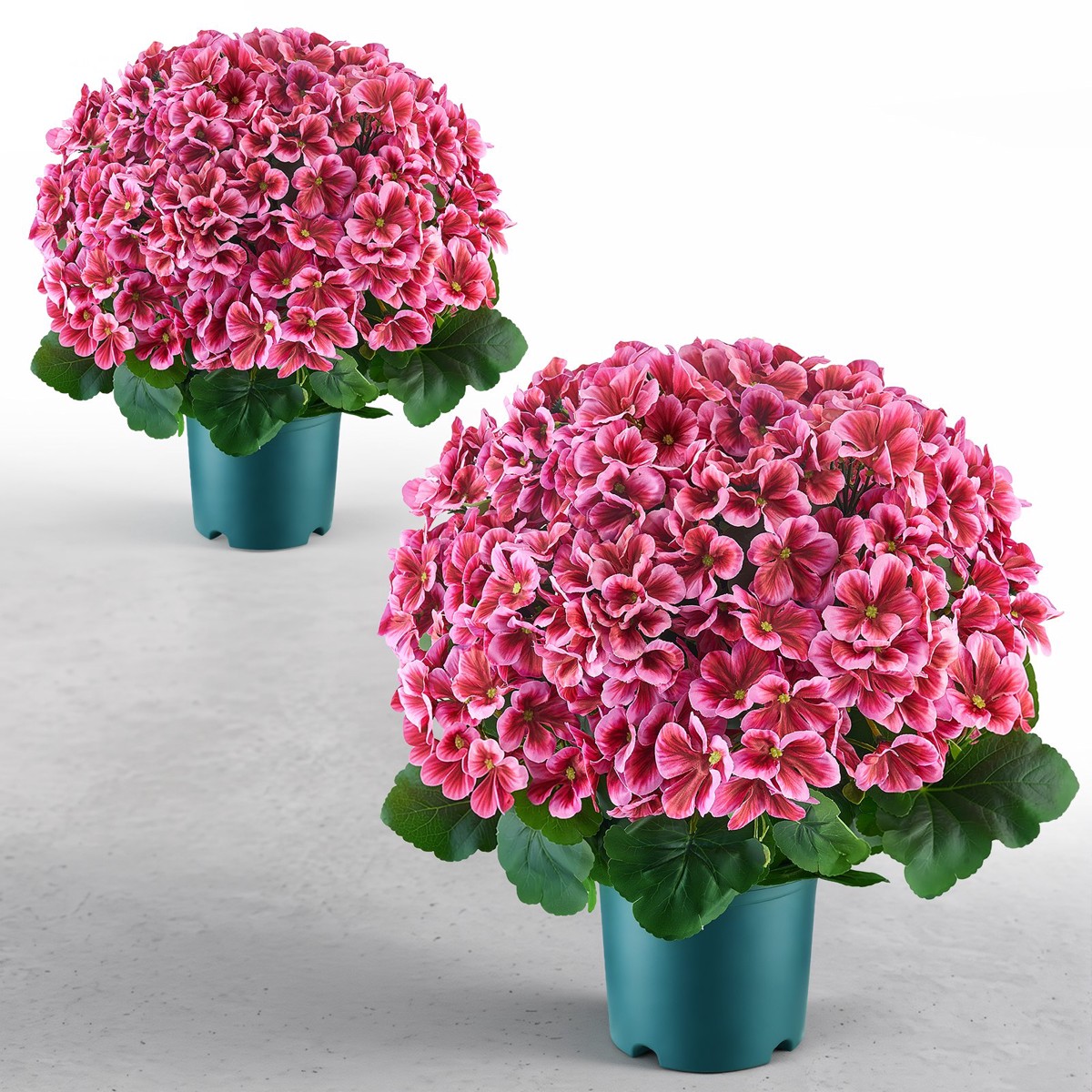 Artificial Potted Geraniums 20 in 2-Pack Fake Flower Plants Deep Pink, for Porch, Patio, Entryway, & Home Decor, Indoor & Outdoor Use, Silk and PE Blooms in Pots, Ready to Display Faux$72.99View on Mallflare
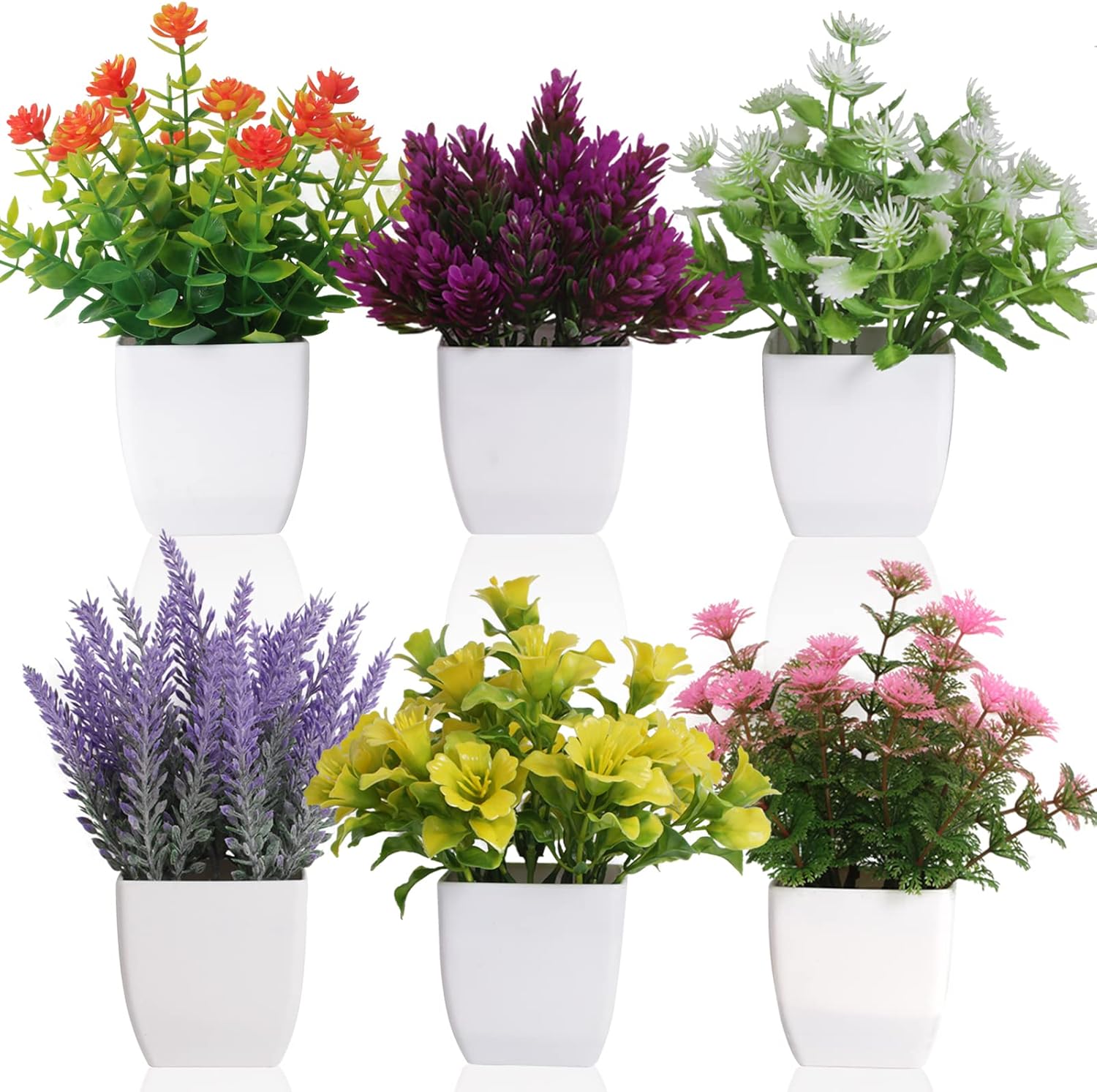 Mini Artificial Potted Plants 6 Units, Small Faux Flowers And Greenery For House, Office, Desk, Tabletop And Indoor Decor$73.99View on Mallflare
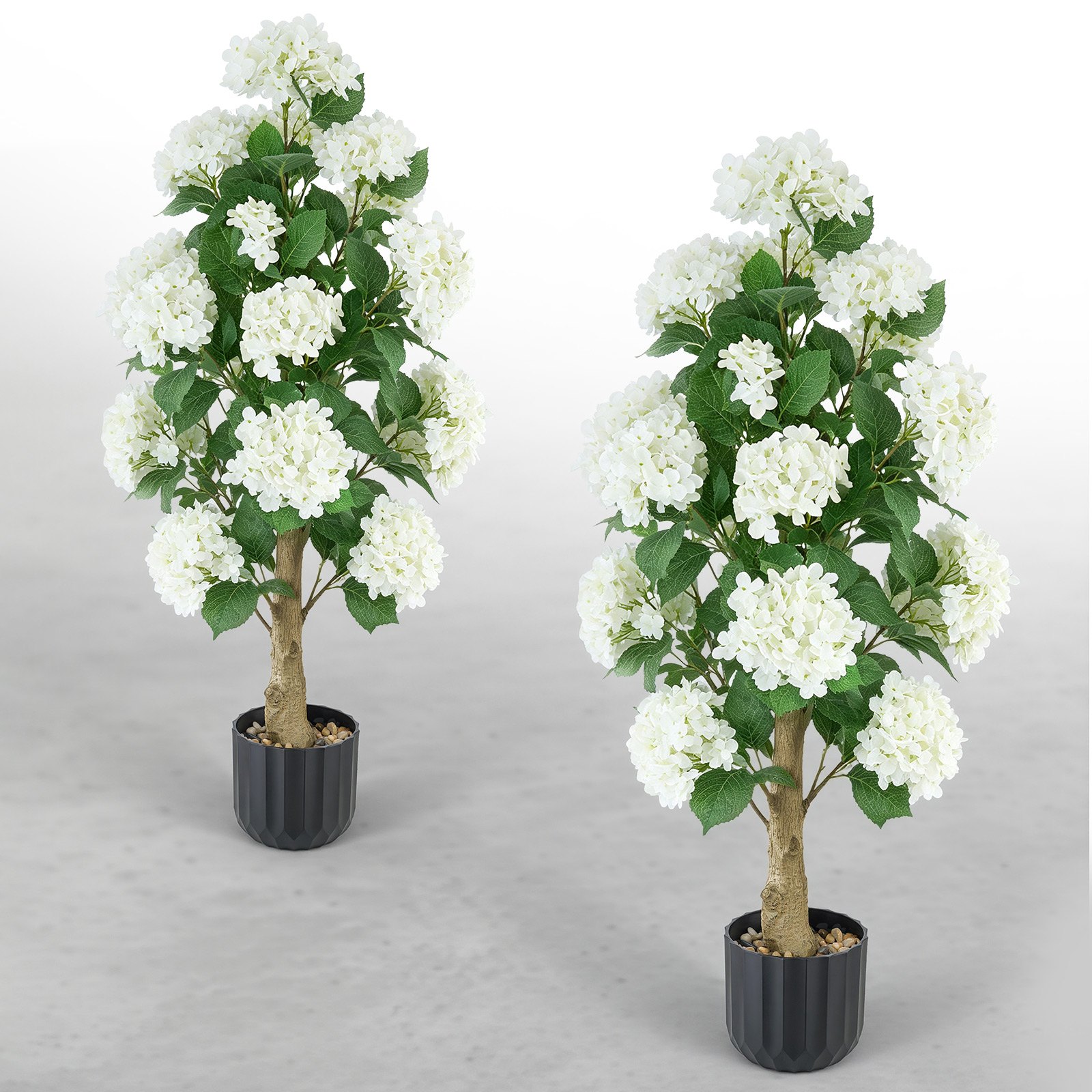 Artificial Potted Hydrangeas 35 in 2-Pack Fake Flower Plants White, for Porch, Patio, Entryway, & Home Decor, Indoor & Outdoor Use, Silk and PE Blooms in Pots, Ready to Display Faux$77.99View on Mallflare
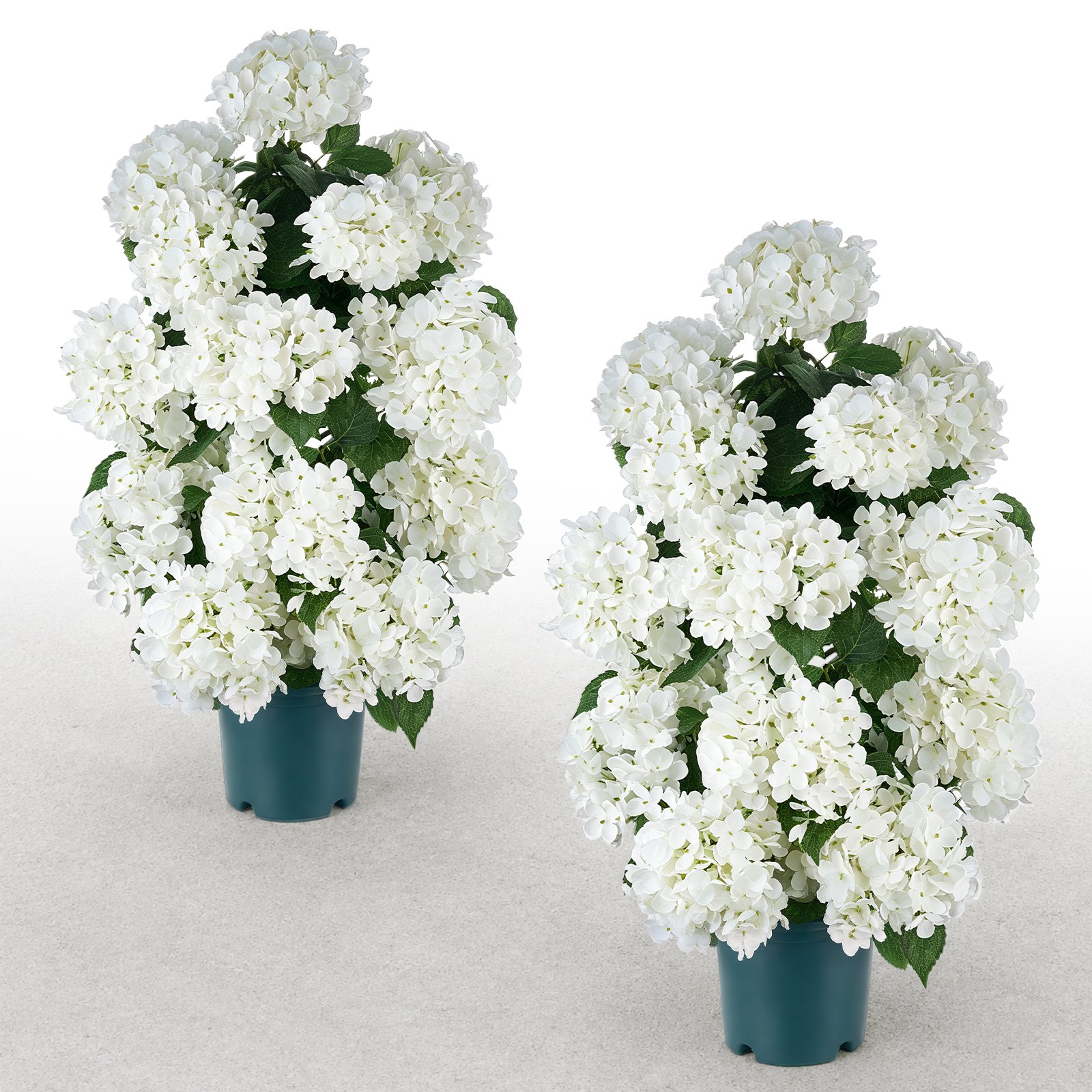 Artificial Potted Hydrangeas 30 in 2-Pack Fake Flower Plants White, for Porch, Patio, Entryway, & Home Decor, Indoor & Outdoor Use, Silk and PE Blooms in Pots, Ready to Display Faux$77.99View on Mallflare
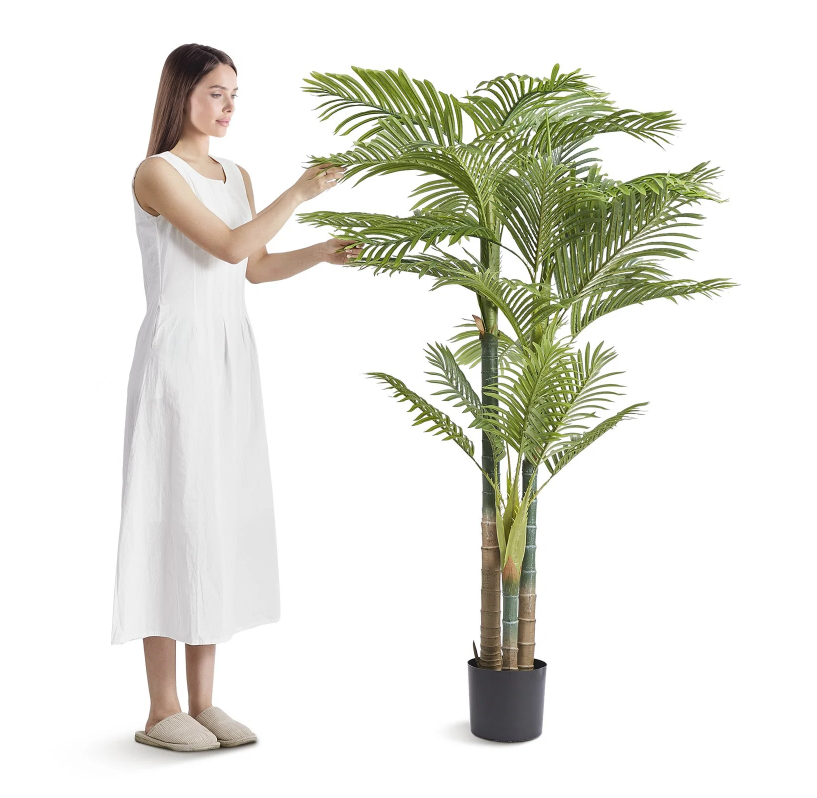 Artificial Gold Cane Palm Tree, 6.5 FT Tall Faux Plant, PE Material & Anti-Tip Tilt Protection Low-Maintenance Lifelike Green Fake For Home Office Warehouse Decor Indoor Outdoor$78.99View on Mallflare
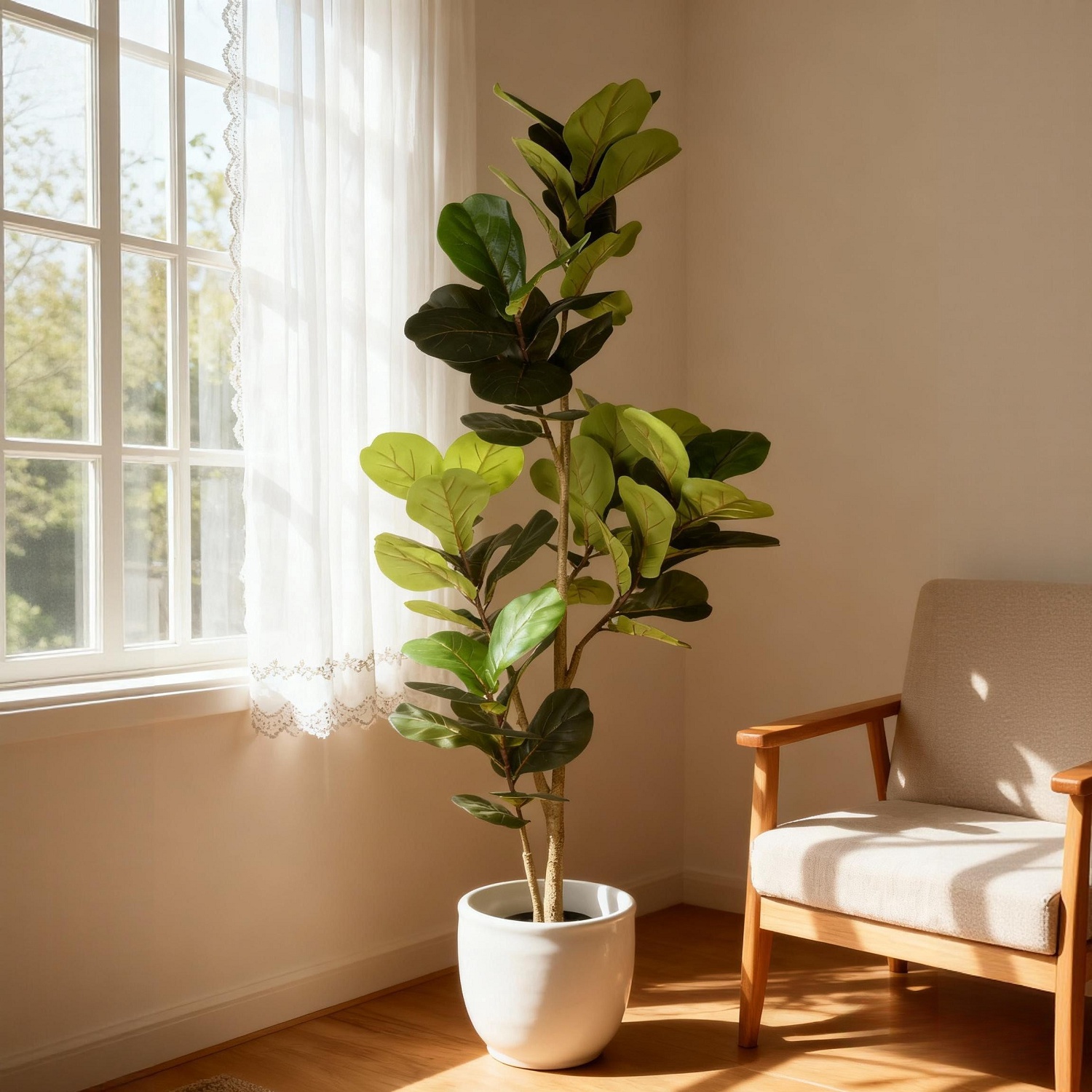 6FT Artificial Fiddle Leaf Fig Tree, Realistic Faux Fig Plant With Fabric Leaves & Plastic Branches, Low Maintenance Indoor Greenery For Home Office Living Room Bedroom$81.99View on Mallflare
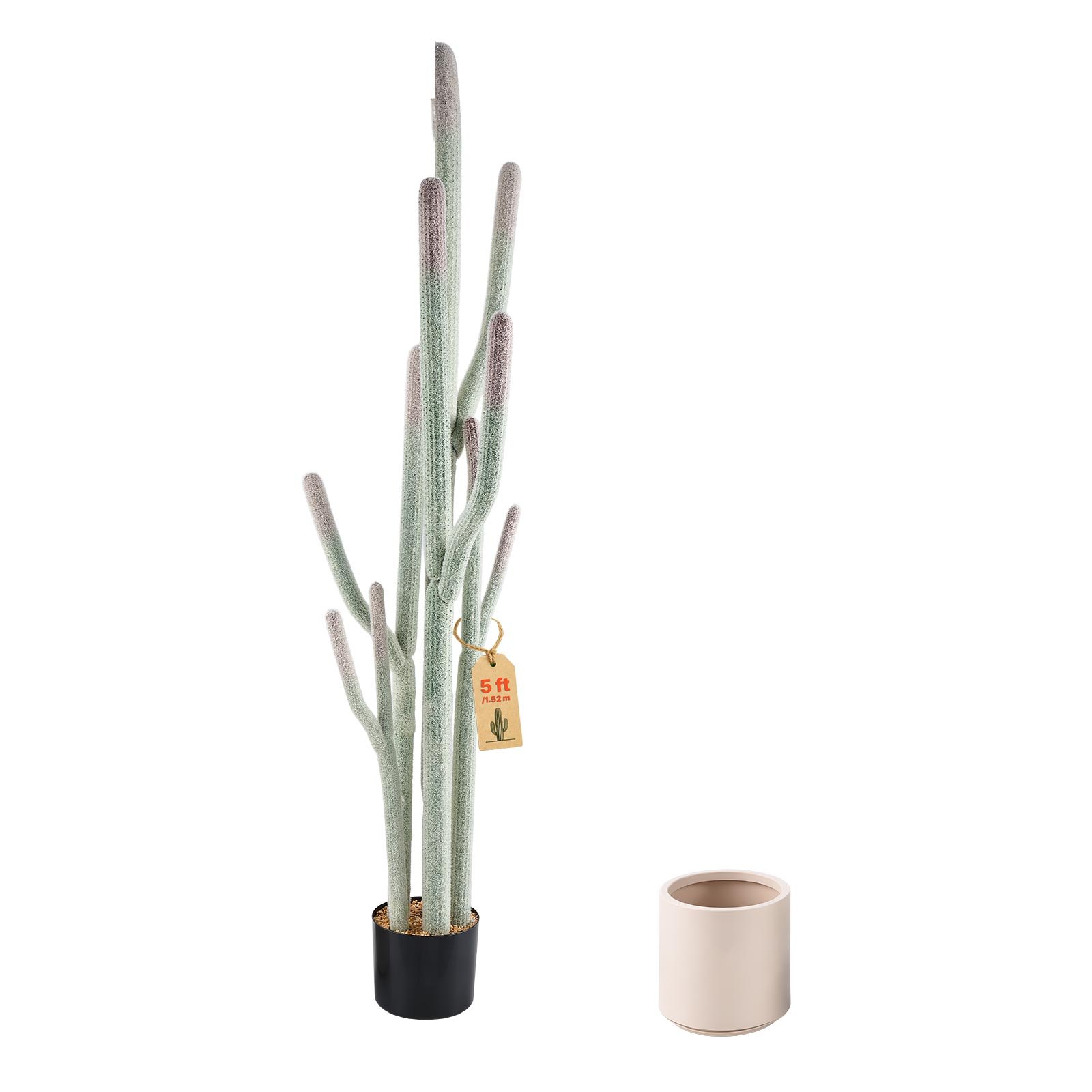 Artificial Cactus, 60 in Tall Fake Plant with White Pot 1 Pack, for Home, Garden, Office, Living Room, Bedroom, Porch Indoor Decor, Realistic Texture Large Faux Premium EVA$82.99View on Mallflare
Highlights
- PE (polyethylene) foliage resists UV fading and holds molded leaf shape better than PVC or polyester, which yellow and crease within seasons.
- Tall trees (5–6 ft) include anti-tip tilt protection or weighted pots; models without ballast or wall straps tip in high-traffic areas.
- Silk-blend blooms (polyester-silk) mimic petal texture for flowering plants, while PE is superior for succulents, cacti, and ficus leaves.
- Topiary and shrub sets often ship with ground spikes for outdoor use; indoor placement requires a separate weighted planter to prevent movement.
Best use cases
- Best fit: 5–6 ft PE olive or birds-of-paradise trees with anti-tip protection for living rooms and offices needing vertical greenery; skip 4 ft palms if ceiling height exceeds 8 ft.
- Best fit: 6-pack mini succulents or small potted greenery for desks, bathrooms, and shelves where real plants lack light; avoid full-size trees in rooms under 100 sq ft.
- Best fit: 3 ft cedar or boxwood topiary sets with spikes for entryways and porches; for indoor use, replace spikes with weighted planters to prevent tipping.
- Wrong fit: unsealed silk flowers in bright sun-facing windows—fabric fades without UV coating; choose PE outdoor-rated foliage instead.
Buying tips
- Match tree height to ceiling: 5–6 ft trees suit 8–9 ft ceilings; 4 ft palms work under 8 ft or on tabletops with risers.
- Select PE for succulents, cacti, and ficus; choose silk-polyester blends for roses and flowering plants needing petal detail.
- Confirm pot weight or anti-tip tilt protection on trees above 4 ft—unweighted bases require added sand or wall straps.
- For outdoor-exposed entryways, verify UV-rated PE and included ground spikes; indoor-only silk will fade and mildewed if left damp.
Specs
| Foliage Material | PE vs Silk-Polyester Blend |
|---|---|
| Height Range | 4–6 ft trees; 18–36 in accents |
| Stability Feature | Anti-tip tilt or weighted pot |
| UV Rating | Indoor-only vs UV-stabilized PE |
Related searches
What to check before buying
- Measure ceiling height and floor space: 5–6 ft trees need at least 2 ft clearance from seating and 8 ft ceilings.
- Check pot diameter and weight: tall trees should have a base wider than 10 in or include anti-tip hardware for stability.
- Verify material rating: PE for UV exposure and shape retention; silk blends for indoor flowering displays only.
- Confirm included components: ground spikes for outdoor topiary, weighted pots for indoor trees, and separate planters for spike-only sets.
FAQ
Data sources: eBay / Amazon listings and product attribute feeds. Updated Nov 22, 2026.
Some links on this page are affiliate links. If you buy after clicking one, we may earn a commission at no extra cost to you. This does not change which products appear here or their order. Affiliate disclosure.