Home Gear Basics: A Beginner's Guide to a Simple Home Exercise Space
A beginner-friendly look at how to plan a home exercise corner, choose a small set of versatile gear, and keep setup simple so movement fits easily into your routine.
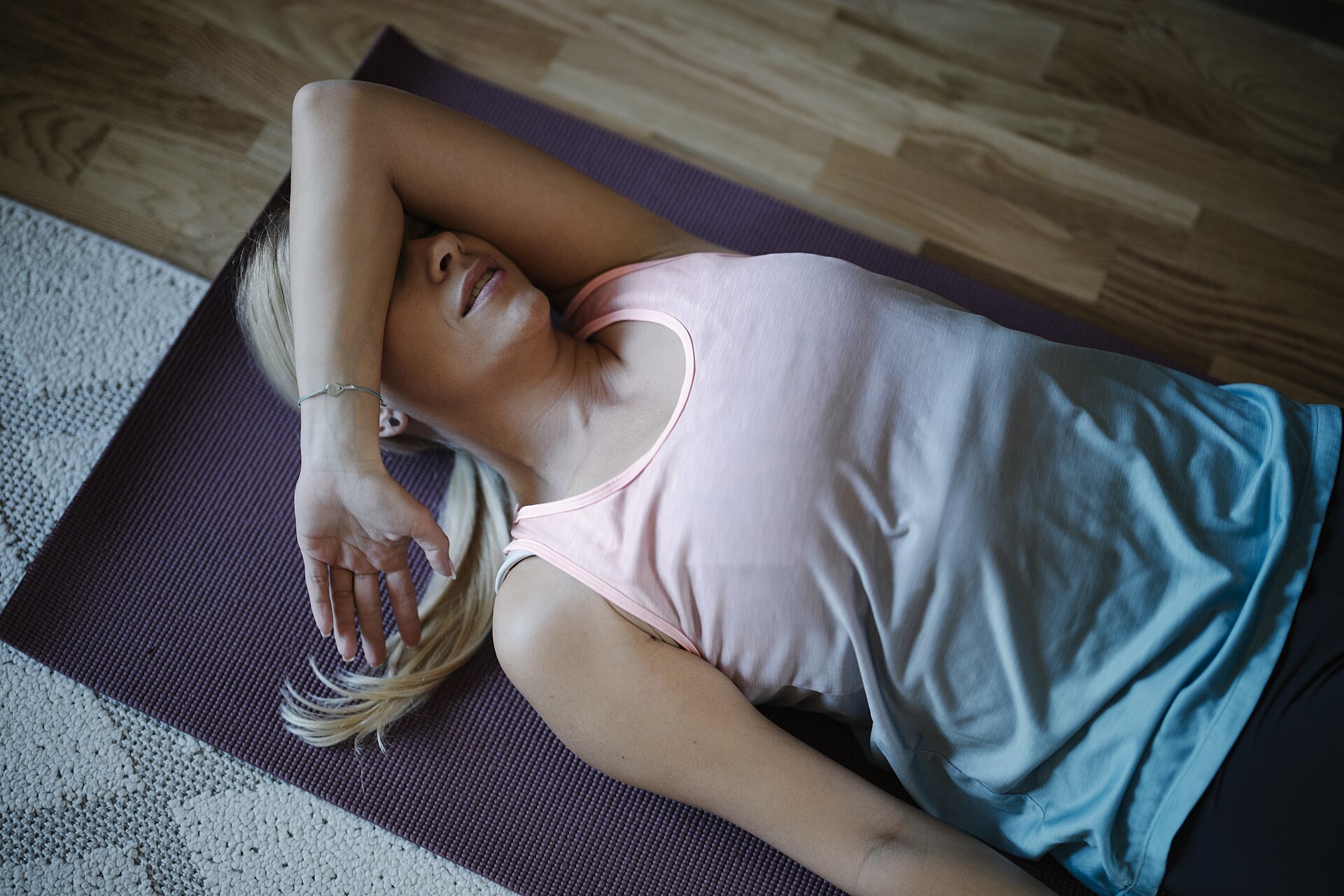
Cover: Own work · Wikimedia Commons · CC BY 2.0
Question: What basic gear do you need to start exercising at home as a beginner?
Start with the room, not the shopping list
Before comparing equipment, look at where you would actually move. A clear patch of floor, a little space overhead, decent ventilation and somewhere to put things down are the practical foundations of a home exercise corner. Think about noise and floor type too, since these influence what feels comfortable in a flat or shared home. Deciding on the space first usually narrows the gear list on its own, because anything that needs more room than you have will become an obstacle rather than a helper.
The small core that covers most beginner needs
Most beginner home setups revolve around a handful of broad categories rather than a long list. A mat or similar padded surface gives you a defined area for floor-based movement. Resistance bands are popular because they are light, store easily and offer a range of resistance within one item. A pair of dumbbells or a single adjustable weight can support many basic strength movements. A sturdy chair or step is often already in the home and is frequently used in beginner routines. Together these cover floor work, light resistance work and supported movements, which is a reasonable starting point for most people.
Judge gear by fit, storage and setup time
A useful test for any item is how it behaves between sessions, not just during them. Ask where it will live, whether you can get it out in seconds, and whether it fits the space you have. Gear that is awkward to store or slow to assemble tends to stay in the cupboard. Comfort matters as well: bands that feel too tight, weights that are hard to grip, or a mat that slides will make movement less pleasant. Choosing items that suit your current ability and are easy to put away is usually more valuable than choosing the most advanced option available.
Build the routine around the gear you already have
Beginners often assume the routine comes after the equipment, but it usually works the other way round. Decide what kind of movement you want to do in a typical week, then check whether your gear supports it. A short routine that uses one band and a chair is more sustainable than an elaborate plan that depends on equipment you rarely unpack. Public health guidance generally emphasises regular movement and gradually increasing what you do over time, which fits well with a modest home setup that is easy to repeat.
Keep the setup simple and adjustable
Home gear works best when it can grow with you. Resistance bands and adjustable weights are examples of items that can be used at different levels without buying a whole new set. Store everything in one place so setup stays predictable, and leave a little empty space so the area does not become a storage cupboard. If you are unsure whether a particular item suits your circumstances, it is reasonable to ask a qualified instructor or health professional rather than guessing, particularly if you have an existing condition or injury.